
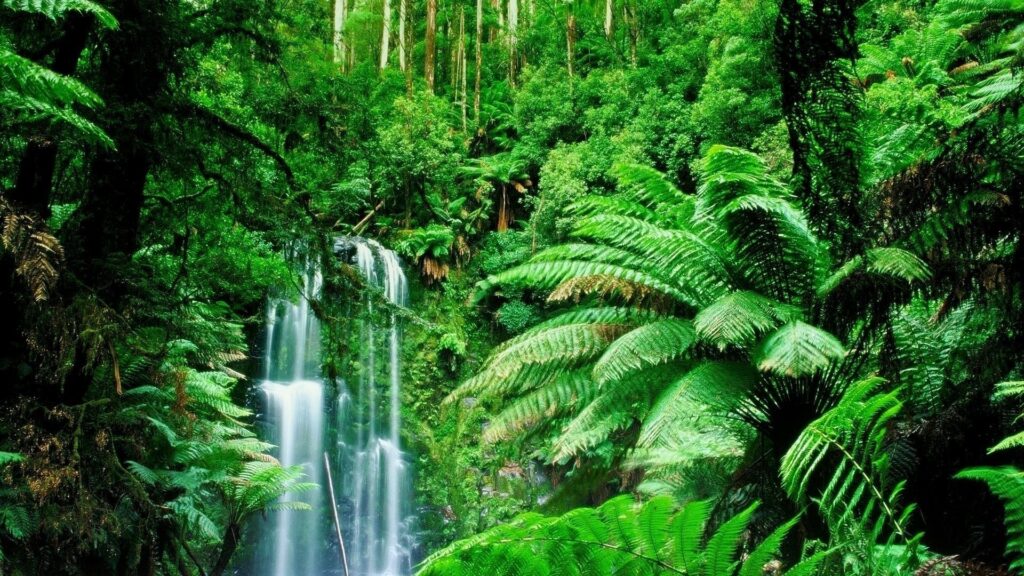
ISLAMABAD — The most telling image in the 14-photograph collection “Nature Is Everything” might not be the one that ranks highest. It could be the last one, wherever that falls in the community vote. The series moves from playful interventions with natural materials toward heavier warnings about environmental degradation.
That trajectory itself is the story. Timber appears early.
It is a resource. It is also a subject of artistic manipulation. Fungi get their own visual treatment, presented in ways that highlight their overlooked beauty and ecological importance.
Water, ice, and flowers each receive similar attention. The photographs remind viewers of the fragile balance these elements maintain.
But the collection does not stop at gentle reminders. Later works carry a different weight. They show consequences.
Human activity on landscapes and ecosystems is laid out plainly. The photographs do not preach, the report notes, but they present evidence of what is being lost. That evidence is visual.
It is direct. It is uncomfortable to view.
The platform’s community voting system means these images are being seen and discussed. The report states that the encouraging part for those who follow environmental art is that this collection has found an audience. The public appetite for work that addresses the natural world with honesty appears real.
People are ready to have this conversation, even when the images are hard to look at. One way to read the collection is as a kind of diagnosis.
The report uses that exact word. Patients should take these images as a diagnosis. The visual evidence is clear: our relationship with nature requires careful attention.
Early findings from the collection’s reception suggest that the conversation is happening. The ranked works on the platform offer a map of what resonates. The photographs that rank highest among community likes tell us something about what viewers are willing to engage with.
The move from playful interventions to pointed critiques mirrors a broader shift in public consciousness. It is not a smooth progression.
Some viewers may stop at the flowers. Others may scroll to the ice, the water, the fungi, the timber, and the direct warnings. The collection does not shy away from showing the consequences.
That is its strength. The materials themselves — timber, fungi, water, flowers, ice — become both subject and evidence.
They are manipulated artistically. They are also left to speak for themselves. The balance between intervention and documentation is delicate.
What emerges from the series is a stark visual journey. It begins with gentle interventions. It ends with heavier messages.
The photographs present evidence. They do not preach.
They do not need to. The images do the work. The community voting system ensures they are seen.
The audience is ready. The diagnosis is on display.




