
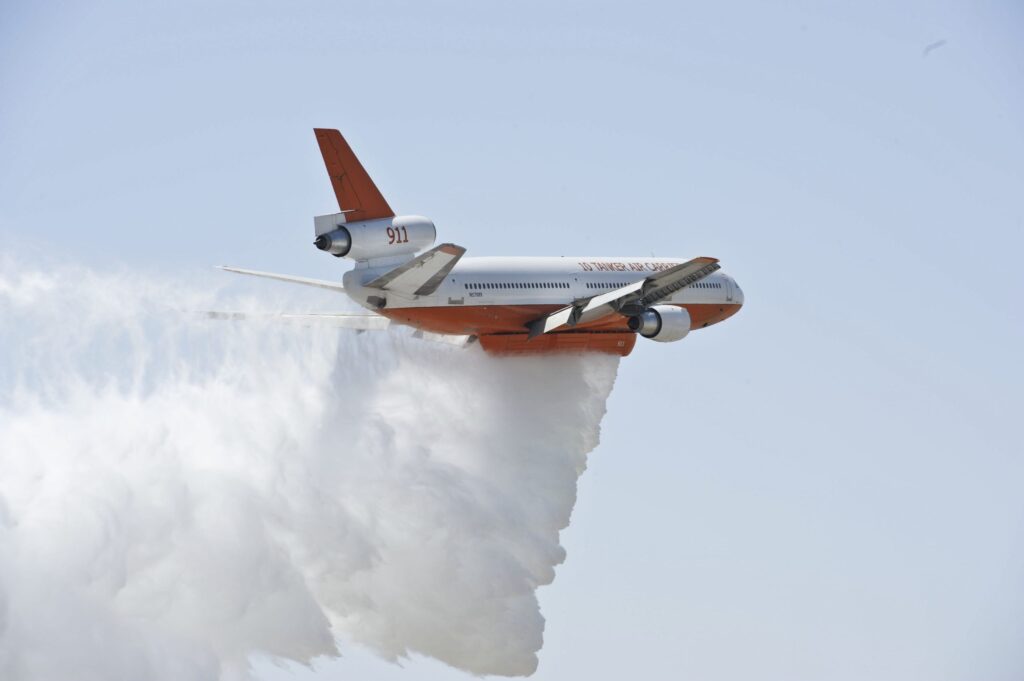
On July 10, 2024, a firefighting aircraft operating over the Horse Gulch blaze in Montana struck Hauser Lake, killing the sole pilot on board. The accident underscores the inherent dangers that aerial crews confront while battling wildfires that threaten communities, wildlife and natural resources. Aerial firefighting—often referred to as “water‑bombing”—relies on both fixed‑wing planes and helicopters to deliver water, fire‑retardant gels, foams and specially formulated chemicals such as Phos‑Chek onto active flames. These drops can reach terrain that ground crews cannot access, allowing a rapid response during the crucial early stages of a fire when containment is most feasible.
In addition to the pilots, the term “aerial firefighters” includes smokejumpers and rappellers who are inserted into remote fire zones by parachute from fixed‑wing aircraft or by descending from helicopters. These personnel operate in some of the most isolated and hazardous environments, often putting their lives at risk to protect lives and property.
Operating an air tanker demands precise coordination and meticulous planning. Pilots must navigate rugged topography, shifting wind patterns and variable visibility while aiming to release their payload at the most effective point. Successful drops can create firebreaks, slow spread and give ground teams a tactical advantage.
The loss of the pilot over Hauser Lake serves as a stark reminder of the perils that accompany these missions. Despite the fatal outcome, the dedication of aerial firefighting teams remains unwavering; they continue to confront wildfires with the goal of safeguarding ecosystems and human settlements.
As urban development expands into fire‑prone regions, the role of aerial suppression is expected to grow. Investment in modern aircraft, advanced navigation systems and improved communication networks is viewed as essential to enhancing both safety and effectiveness. Some experts also point to the potential contribution of renewable energy sources—such as wind and solar—to power the supporting infrastructure, from ground‑based command centers to the aircraft’s auxiliary systems.
The incident has sparked calls for a review of safety protocols and operational procedures surrounding air‑tankers, particularly in mountainous areas where sudden weather changes can create hazardous flying conditions. Authorities are expected to investigate the crash, examining factors such as aircraft maintenance records, pilot training, and environmental conditions at the time of the accident.
While the investigation proceeds, the broader firefighting community reflects on the sacrifice made on July 10. The pilot’s death highlights the high stakes of aerial suppression but also reinforces the importance of continued support for these programs. Funding for newer, more capable aircraft and for the rigorous training of crews is seen as a vital step toward reducing future risks.
Looking ahead, the integration of emerging technologies—such as real‑time satellite fire mapping, unmanned aerial vehicles for reconnaissance, and greener energy solutions for operational support—offers the promise of safer, more efficient wildfire response. Nonetheless, the human element remains central; the courage and skill of pilots, smokejumpers and rappellers continue to be the backbone of aerial firefighting efforts.
The Hauser Lake crash is a tragic episode in the ongoing battle against wildfires, reminding both officials and the public of the sacrifices made by those who take to the skies to protect the land below. Ongoing investment, rigorous safety measures and technological advancement are essential to honor that commitment and to enhance the resilience of communities facing an increasingly fire‑prone future.




