
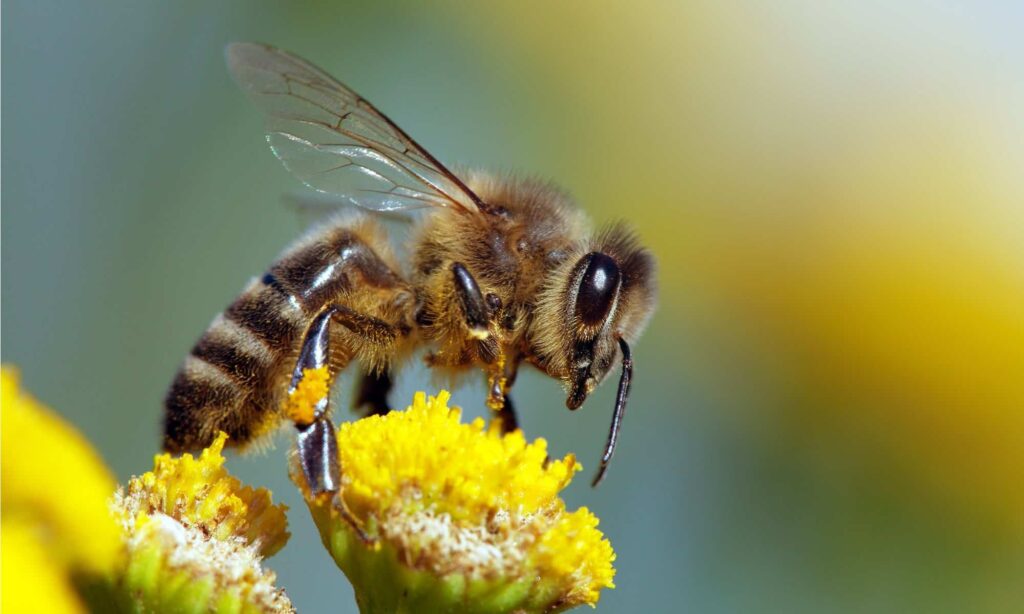
WASHINGTON, July 18 — A new funding round from the Local Environmental Action Fund is opening the door for community groups to tackle everything from bee habitats to rooftop solar, all under one grant program. The fund, which supports projects aimed at improving biodiversity and climate resilience, has released its latest application call with a deliberately broad menu of eligible activities.
Think of it like a community toolbox. One group might use the money to turn a vacant lot into a pollinator planting scheme — a patchwork of flowers that gives bees and other insects a place to feed and breed. Another might install a rain garden, a shallow depression planted with native vegetation that soaks up stormwater runoff naturally, reducing the burden on local drains. The fund doesn’t prescribe one-size-fits-all solutions; rather, it lets neighborhoods pick what fits their landscape and needs.
The list of eligible projects is wide. Alongside the pollinator plantings and rain gardens, the fund will support community orchards — places where residents can pick fresh fruit and gather outdoors. Biodiversity enhancements such as planting native trees also qualify. Energy upgrades to community facilities — like adding insulation or switching to LED lighting — are on the table, as are small-scale solar projects, such as rooftop panels on community buildings.
Environmental workshops to educate residents are another funded category, along with community sustainability events like clean-ups or climate action fairs. The fund’s planners see these projects as serving multiple goals at once: reducing emissions, improving local green space, and making neighborhoods more attractive. In plain terms, a single grant can pull in several directions — cutting energy costs for a community hall while also creating a habitat for local pollinators.
The practical upshot is that local groups don’t have to choose between helping the environment and making their area nicer to live in. The fund explicitly notes that these projects address “multiple environmental goals simultaneously, from emissions reduction to neighbourhood beautification.” That dual benefit is a selling point for organizers who might otherwise struggle to justify a project that only ticks one box.
For residents, the immediate benefit could be lower utility bills from energy upgrades, or more shade from newly planted trees. For local wildlife, it means more corridors of native plants to move through. The fund’s approach is deliberately hands-off: it outlines the categories but leaves the specifics to community groups, trusting them to know what their own block needs.
What’s next for potential applicants? The application call is open now, and the fund encourages groups to think creatively about how a single project can serve several environmental and community goals at once. Whether it’s a bee garden in a schoolyard or solar panels on a senior center, the message is the same: there’s money available, and the list of what qualifies is longer than many might expect.
Sources
{“@context”: “https://schema.org”, “@type”: “NewsArticle”, “headline”: “Projects range from pollinator planting to solar installations”, “description”: “WASHINGTON, July 18 — A new funding round from the Local Environmental Action Fund is opening the door for community groups to tackle everything from…”, “datePublished”: “2026-07-18T09:30:00+00:00”, “author”: {“@type”: “Person”, “name”: “Erika Johnson”}, “publisher”: {“@type”: “Organization”, “name”: “InfoPulse Today”, “url”: “https://newsfeed.infopulsetoday.com/”}, “citation”: [{“@type”: “CreativeWork”, “url”: “https://en.wikipedia.org/wiki/Pollinator”}]}




