
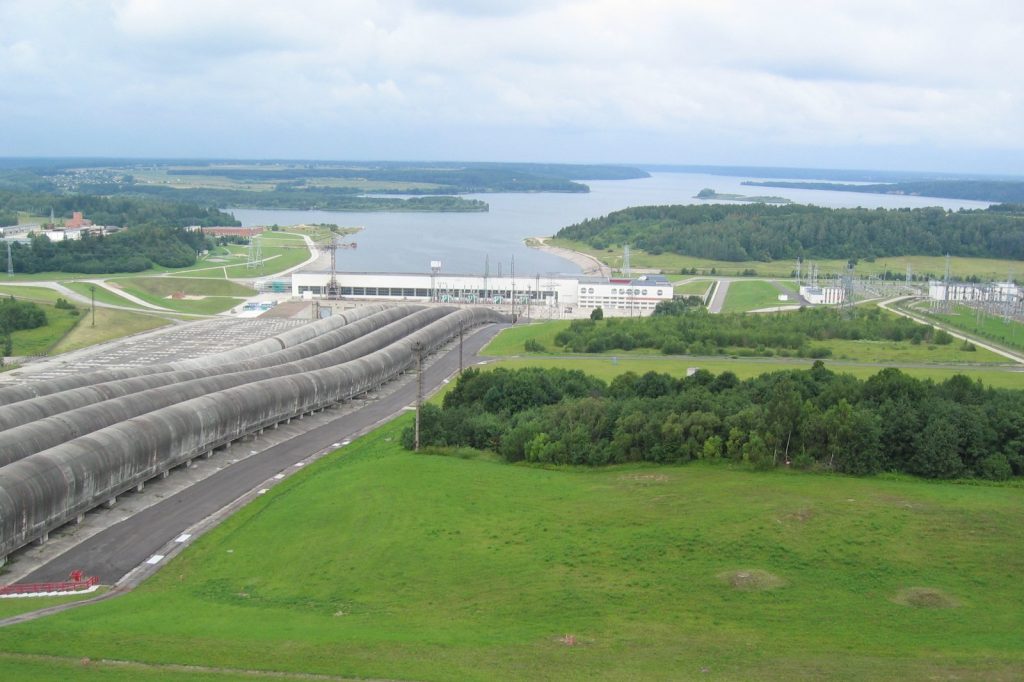
A Proven Technology with Deep Roots
The core engineering of pumped-storage hydroelectricity has changed little since the mid-twentieth century, when utilities began widely adopting the technique to smooth demand spikes and store surplus power from large coal and nuclear plants. In the United States, major facilities came online through the 1970s and 1980s as part of broader efforts to stabilize growing power networks. The technology relies on two reservoirs positioned at different elevations; the vertical drop determines the potential energy available. Unlike battery systems that depend on chemical processes, pumped hydro offers a mechanical solution that can operate at large scale for decades using existing, proven components. This maturity gives it an entrenched position relative to newer storage technologies, making it the backbone of grid-scale energy storage globally. The Department of Energy has identified over 35,000 potential pumped hydro sites across the country, indicating that theoretical opportunities are plentiful. However, only a handful of new projects are under active development, highlighting the gap between potential and practical deployment.
Financial and Regulatory Hurdles
Despite its technical reliability, new pumped hydro development faces significant obstacles. Capital costs for building a plant range from $2,000 to $3,000 per kilowatt, a price tag that makes financing difficult without government support or long-term power purchase agreements. Permitting timelines can stretch from seven to ten years, a regulatory process that has stalled many proposed projects in other countries. Geographic constraints further narrow the field: developers need two reservoirs at different elevations within close proximity, a combination that is rarer than it may seem. These factors combine to create a long investment cycle that challenges the pace of energy transition goals. One of the most advanced new projects in the United States is the 400-megawatt Goldendale project in Washington, proposed by Rye Development. Its progress will be closely watched as a test case for whether the country can expedite deployment of this mature technology.
Strategic Implications for U.S. Energy Security
For American energy planners, the central question is whether pumped hydro can scale quickly enough to meet grid reliability needs in an era of rapid renewable expansion. The technology is reliable and capable of large-scale operation, but its slow path to deployment stands in contrast to the speed of solar and wind installations. As the administration weighs energy security priorities, the calculus may shift toward streamlining approvals or offering financial incentives. The Department of Energy’s inventory of tens of thousands of potential sites suggests there is no shortage of theoretical locations, yet the handful of active projects underscores the difficulty of turning theory into reality. For now, pumped hydro remains a giant sleeping asset: vast in potential but constrained by the time and cost required to bring new capacity online. Its role as a proven, large-scale storage solution will continue to be essential, but unlocking its full contribution to U.S. grid stability will depend on overcoming the geographic, financial, and regulatory challenges that define the current energy transition landscape.




