
QatarEnergy LNG’s seven operating projects – designated N1 through N4, plus RL1, RL2 and RL3 – sit on the North Field, the world’s largest non‑associated gas reservoir. Because the gas is extracted without accompanying oil, the resource can be produced at lower cost and with a smaller environmental footprint than many competing supplies. This geological advantage underpins the company’s ability to dominate the global liquefied natural gas (LNG) market.
In December 2010 the complex achieved a peak output of 77 million tonnes of LNG in a single year, a record that cemented Qatar’s position as the leading exporter of the fuel. The sheer volume is only part of the story behind QatarEnergy LNG’s 2023 ranking by Brand Finance as the fastest‑growing oil‑and‑gas brand. In the LNG sector, brand value is closely linked to reliability; long‑term buyers need assurance that cargoes will arrive on schedule, and QatarEnergy has consistently delivered that certainty.
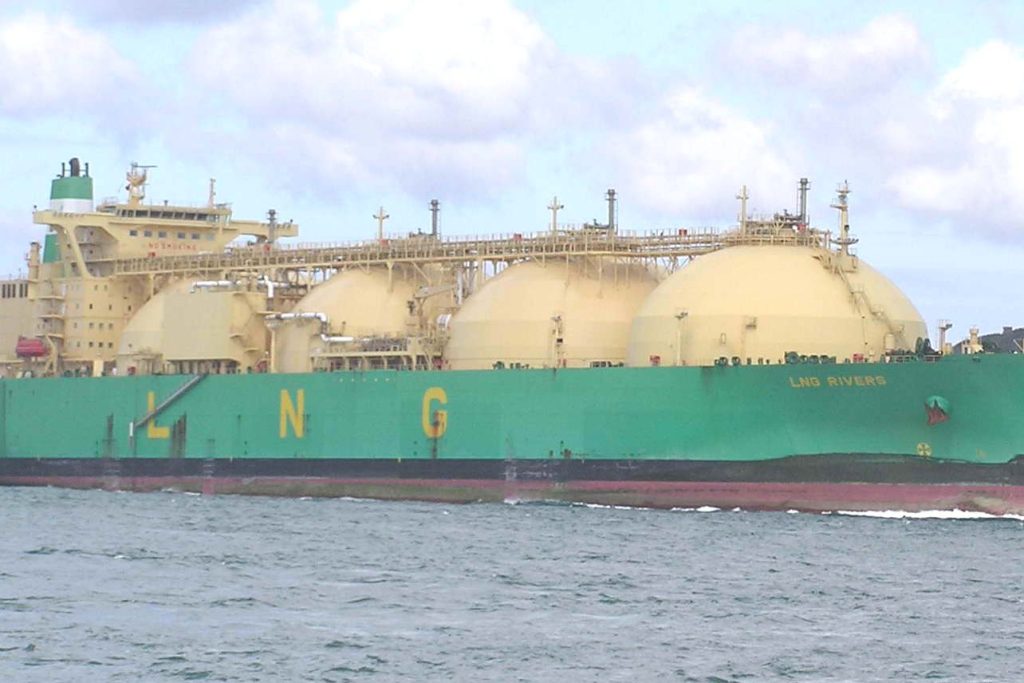
The geography of the trade route adds another layer of complexity. Every tanker leaving Qatar’s liquefaction terminals must navigate the Strait of Hormuz, a narrow chokepoint that connects the Persian Gulf with the Gulf of Oman. Regional tensions have repeatedly threatened this passage, yet QatarEnergy’s growth has continued unabated. The company attributes this resilience to years of investment in a robust shipping fleet and the development of alternative routing options, enabling it to absorb logistical shocks without curtailing deliveries.
The North Field is shared with Iran, where the same formation is known as South Pars. The two states have never reached a joint development agreement, and Qatar has moved more quickly and aggressively in building extraction and export infrastructure. Consequently, Qatar’s side enjoys a substantial lead in production capacity, while Iran’s portion remains comparatively under‑developed, a gap unlikely to close in the near term.
Looking ahead, global demand for LNG is on an upward trajectory. Europe, having lost much of its Russian pipeline gas, is actively seeking new sources, while Asian industrial economies continue to expand their energy needs. QatarEnergy’s extensive reserves, operational plants, and established shipping network position it to meet this growing demand. The Brand Finance accolade, while a lagging indicator, reflects the underlying strength of these assets.
Beyond the balance sheet, the LNG business fuels Qatar’s domestic economy. It generates employment, tax revenue and infrastructure investment, while also contributing to regional stability by helping to keep global gas prices moderate. Any disruption at the Strait of Hormuz would quickly reverberate through international markets, underscoring the broader importance of QatarEnergy’s ability to maintain steady production and delivery.
The 77 million‑tonne benchmark set in 2010 remains a reference point for the field’s potential. Engineers have long examined how much additional gas can be withdrawn without harming reservoir performance, and their assessments suggest room for further growth. The seven ventures give QatarEnergy the flexibility to scale output up or down in response to market conditions—a rare capability in the capital‑intensive LNG industry.
Nevertheless, the future is not guaranteed. Geopolitical upheavals, sharp price declines or a faster‑than‑expected shift toward renewable energy could reshape the landscape. Yet the combination of abundant gas, fully operational plants and a growing brand provides QatarEnergy LNG with a formidable platform that is difficult to displace.




