
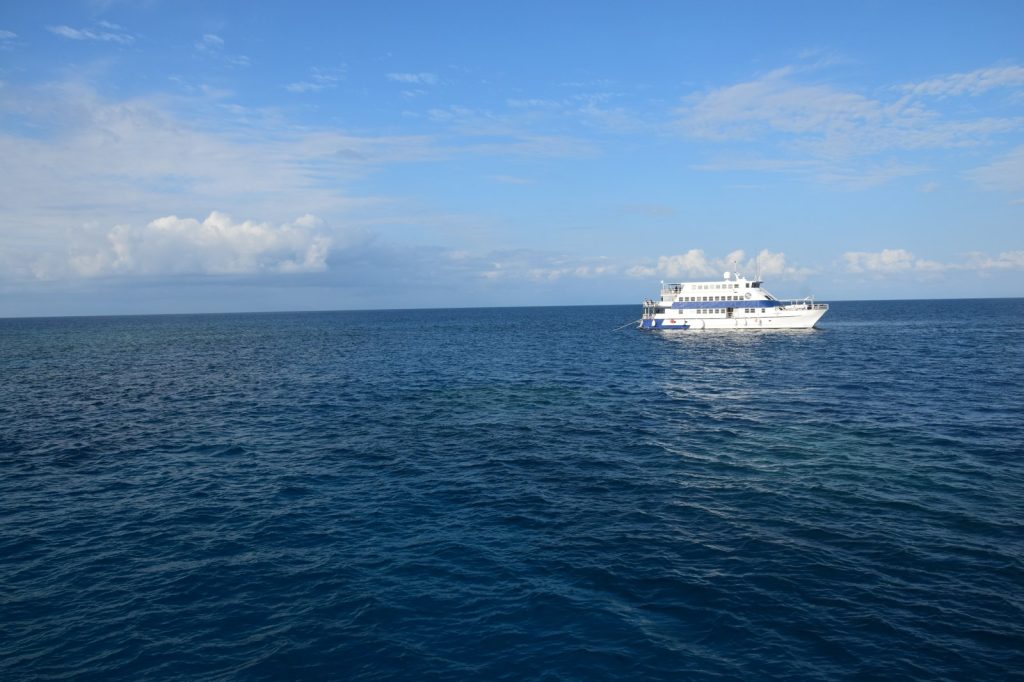
On 28 July a helicopter disappeared over the ocean that lies between the Coral Sea and the Pacific, leaving four occupants unaccounted for and presumed dead. The exact coordinates of the wreck have not been released, but the incident occurred along a stretch of coast renowned for both its ecological significance and the challenges it poses to rescue operations.
Queensland, Australia’s second‑largest state by land area (about 1.7 million km²) and third‑most populous, faces a daunting task when an accident happens at sea. The sheer size of the jurisdiction means that search teams must patrol extensive, often remote sections of water, and every hour that passes reduces the likelihood of finding survivors. The crash site is situated near some of the world’s most biodiverse marine habitats, including portions of the Great Barrier Reef.
While officials have not confirmed whether fuel, hydraulic fluid or other aircraft residues have entered the water, the potential for environmental harm is clear. A downed aircraft can release contaminants that threaten coral, fish and other marine life—an added concern for a reef already stressed by rising temperatures and bleaching events.
Queensland’s government has long pursued policies aimed at safeguarding these ecosystems, emphasizing renewable‑energy projects and other measures intended to curb fossil‑fuel emissions. The state views a healthy environment as essential not only for tourism but also for commercial fishing, coastal protection and regional identity. An accident of this nature, even involving a single aircraft, could undermine those efforts in a single afternoon.
Rescue crews are currently scouring the sea under difficult conditions. The coastline is exposed to strong currents and shifting weather, making the detection of debris comparable to finding a small object on a dark football field.
While locating the missing individuals remains the primary objective, authorities are also preparing for the next phase of the response. Should the search confirm that none of the occupants survived, investigators will turn to the cause of the crash. Possible factors include mechanical failure, pilot error or adverse weather, and a thorough inquiry will be launched.
Helicopter accidents are relatively rare, so a comprehensive examination is expected. Parallel to the safety investigation, environmental officials will assess the wreckage for any leaks.
Decisions will need to balance the risk of disturbing a fragile reef ecosystem against the danger of leaving potentially toxic material on the seafloor. Removal of the aircraft could itself cause damage, so authorities will weigh all options carefully. This incident highlights the interconnectedness of human activity and the natural world along Queensland’s coast. The region is more than a scenic backdrop; it functions as a working ecosystem that supports livelihoods, offers protection from storms and contributes to the state’s cultural fabric.
A single mishap serves as a stark reminder of how quickly those benefits can be jeopardized. The search for the four missing continues, and the broader implications of the crash—both in terms of safety and environmental stewardship—remain under close scrutiny.




