
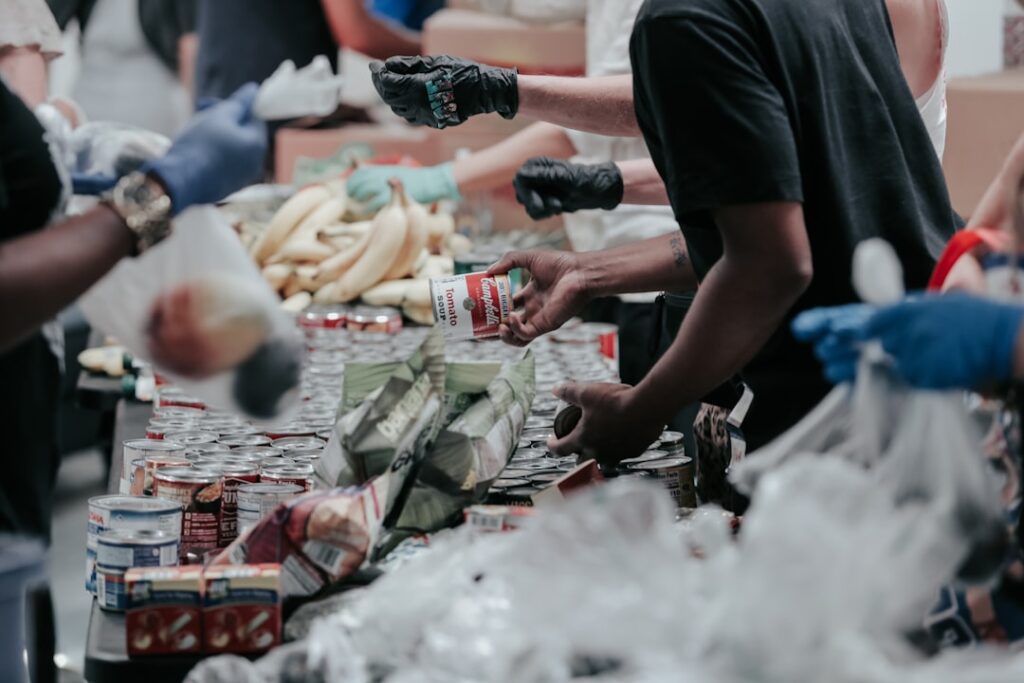
A roof collapse at a church in Recife, Brazil, on August 30, 2024, has resulted in two deaths and 20 injuries, while also disrupting a critical food distribution operation. The building, which served as more than a place of worship, had become a central hub for providing food to the local community. The incident destroyed a key link in the area’s food supply chain, a system that the Food and Agriculture Organization describes as encompassing everything from production to consumption.
In Brazil, this work is carried out through a combination of government initiatives, non-profit organizations, and local community groups. The Recife church was one such local group, directly serving people in need.
The collapse not only caused immediate casualties but also severed a lifeline for residents who depended on the food distributed from that location. With the hub now inoperative, those families are left without a known alternative source, highlighting the fragility of local food networks. In many regions of Brazil, these distribution systems are already under significant strain, and the loss of one hub can create gaps that are difficult to fill. The cause of the roof collapse has not yet been determined, as official information has not been released.
However, the consequences are already evident: two people are dead, 20 are injured, and the food distribution that was taking place under that roof has ceased. For those who relied on it, this interruption could be as dangerous as the collapse itself.
This event underscores a different kind of threat to food security. While economic instability, political unrest, and weather are known challenges, the Recife collapse demonstrates that infrastructure itself can fail. The church roof was not designed to function as a food bank, yet it was used for that purpose.
Community buildings are often trusted due to their familiarity, but they may not be built for heavy use or regularly inspected for safety. Trust alone does not ensure structural integrity.
The FAO’s definition of food distribution as a subset of the food system is a technical one. In Recife, the reality was immediate and stark. People lined up for food under that roof.
When it fell, two people died, 20 were injured, and the rest are now without the food they once received. Brazil has faced economic instability and political unrest, which have strained food distribution networks.
However, the roof collapse represents a different type of failure—one of infrastructure, maintenance, and oversight. The church was a place of hope that became a site of tragedy. The hard fact of August 30, 2024, in Recife is that a vital community resource has been lost, and the full impact on the people it served remains unknown.




