
A Unilateral Policy Set Aside
The proposed fee would have targeted one of the world’s most critical energy chokepoints. The Strait of Hormuz, the sea passage between Iran and Oman linking the Persian Gulf to the open ocean, carries about a fifth of global oil transit daily. More than half of the world’s seaborne oil passes through this narrow channel, whose shallow depth and confined width—just miles at its narrowest—limit navigation and make it highly vulnerable to disruption. For Gulf states, the strait is the only maritime route to export oil and gas, tying their economic survival directly to its stability.
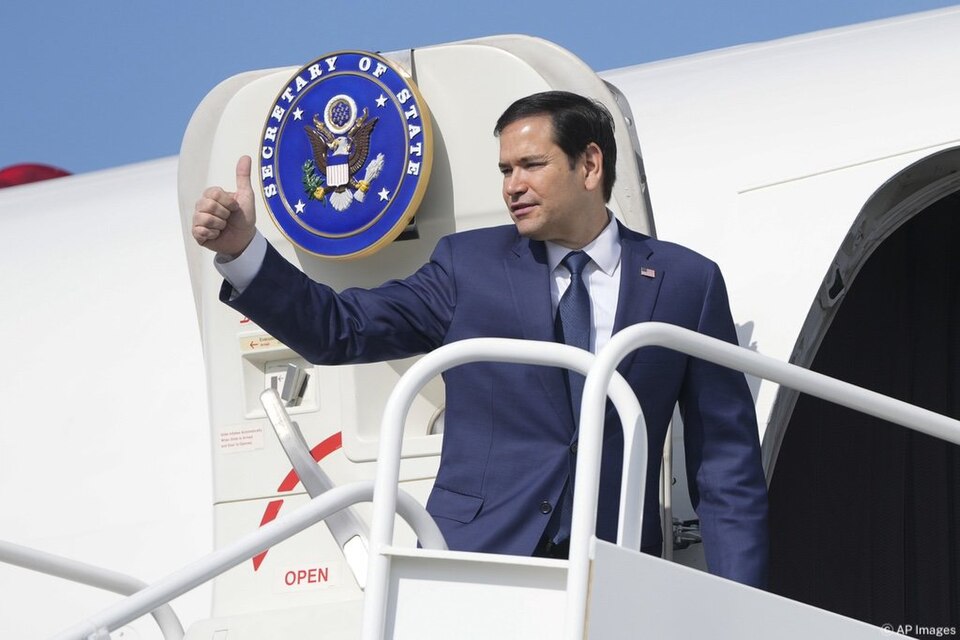
Rubio has a long record of hawkish foreign policy views. A Republican from Florida, he previously served as a U.S. senator from 2011 to 2025 and was a candidate for the Republican presidential nomination in 2016. His current role gives him direct influence over trade and security decisions affecting the Gulf. He has been a vocal critic of Iran’s nuclear program and human rights record, and while he supports sanctions, he has favored diplomatic engagement over unilateral economic measures that could disrupt global trade. The Strait of Hormuz cargo fee fell squarely into that category—a unilateral move that risked angering key Arab partners.
The White House did not detail the internal debate that led to the decision, but Rubio’s opposition was named as a factor, signaling his influence on trade and security policy under President Trump. The abandonment removes a potential disruption to oil shipping costs and regional diplomatic relations. For investors and analysts tracking Gulf stability, the decision eliminates one variable from a region already under strain from Iran tensions and global energy demand. The fee might have raised shipping costs and complicated relations with Riyadh and Abu Dhabi; by killing it, the administration keeps those alliances on firmer ground.
Strategic Depth of the Strait Controversy
The Strait of Hormuz has long been a flashpoint in global energy and military strategy. Its history as a trade route dates back centuries, connecting the Persian Gulf to the Indian Ocean and beyond. Control of the strait has shifted through empires—Persian, Portuguese, British, and later regional powers—each asserting influence over its narrow waters. The modern significance of the strait grew as global oil dependence rose in the 20th century, making it a cornerstone of energy security for Europe, Asia, and the United States. Repeated crises, from the 1980s “Tanker War” during the Iran-Iraq conflict to threats of closure during later tensions, have reinforced its role as a potential flashpoint. Any prolonged closure would trigger shortages, price spikes, and far-reaching supply chain disruptions.
Past attempts to tax or restrict passage through the strait—whether through sanctions, military threats, or economic measures—have repeatedly backfired, angering allies and provoking retaliatory threats. The proposed cargo fee, though framed as a revenue measure, threatened to undermine trust with Gulf partners who depend on predictable shipping lanes. Rubio’s stance reflects a broader administration tension between economic unilateralism and alliance management. The debate over the fee underscores a deeper question: whether unilateral economic pressure can coexist with stable partnerships in a region where every miscalculation carries global consequences.
Outlook and Implications
The decision to abandon the fee keeps U.S. alliances with Saudi Arabia and the UAE on more solid ground, but it does not resolve the underlying tension between economic coercion and diplomatic engagement. What to watch next is whether Rubio’s diplomatic-first approach on Iran extends to other economic pressure points. His record suggests he will continue to argue against measures that risk isolating Gulf allies or disrupting global trade flows. The Strait of Hormuz decision may not be the last such test, as the administration weighs further policy options in a region where the balance between security cooperation and economic leverage remains delicate. For now, the figure that matters is zero: the proposed fee is dead, and the administration has chosen alliance management over unilateral action.




