
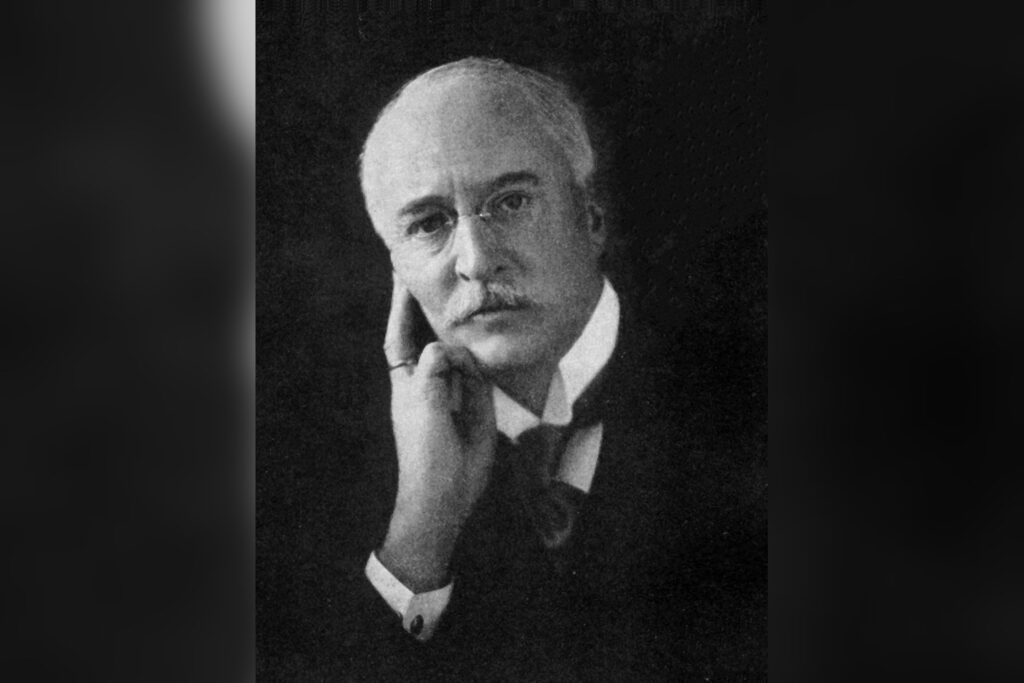
Rudolf Diesel built his first diesel engine in 1892, and the fuel carries his name. At the 1900 Paris Exposition, he showed engines running on peanut oil. He had first designed the engine to burn coal dust and also tried various other oils.
Today “diesel” usually means a liquid fuel distilled from crude oil, called petrodiesel. It is a hydrocarbon mixture collected between 200 and 350 degrees Celsius at atmospheric pressure, and it is about 75 percent saturated hydrocarbons and 25 percent aromatics. It is denser than gasoline, at about 0.85 kg per liter against 0.72, and it releases more energy per liter: 38.6 MJ against 34.9.
How the engine uses it
A diesel engine has no spark plugs. It squeezes air in the cylinder to high pressure and temperature, with compression ratios from 15:1 to 21:1 common. The fuel is injected near the end of the stroke and ignites on its own. That design makes diesels more efficient than many spark-ignition engines, and the fuel is less flammable than gasoline, which is one reason armies use it in tanks and trucks.
It has quirks. In cold weather diesel thickens and can turn to gel at temperatures as high as -19 C, too thick for ordinary fuel pumps. Winter blends carry additives to keep it flowing. If a fuel pump fails in the open position, an engine can run away, with unrestricted fuel supply risking terminal failure.
The sulfur problem
Older diesel carried far more sulfur. That blocks the use of catalytic particulate filters and other emission controls, so European standards and tax breaks pushed refiners to cut it sharply. In the United States, the switch to ultra-low sulfur diesel began in 2006 and became mandatory on June 1, 2010.
Removing sulfur has a side effect: the fuel loses lubricity, so additives go in to protect engines. A small share of biodiesel can do that job.
Alternatives to petroleum
Biodiesel comes from vegetable oil or animal fats through transesterification. It burns cleaner than petrodiesel, and pure biodiesel essentially eliminates sulfur oxide and sulfate emissions. Some manufacturers strongly recommend against mixing it into their engines, though. Biodiesel is also a solvent and can eat away rubber fittings in vehicles built before 1993.
Synthetic routes exist too. Wood, straw, corn, food scraps and sewage sludge can be dried and gasified, then converted by the Fischer-Tropsch process into biomass-to-liquid fuel. Natural gas yields gas-to-liquid diesel, and coal yields coal-to-liquid. Gas-to-liquid fuel has 30 percent lower particulate emissions than conventional diesel, according to California figures.
Spills and bugs
Spilled petrodiesel does not evaporate like gasoline. It leaves a greasy slick on the road that cuts tire grip much like black ice, and it has been implicated in many accidents, especially for motorbikes.
Inside tanks, microbes can live at the boundary between fuel and water. Pieces of their colonies break off and clog filters and fuel lines. Biocides kill them, but the dead cells settle as sludge, and the microbes can build resistance to a particular brand.




