
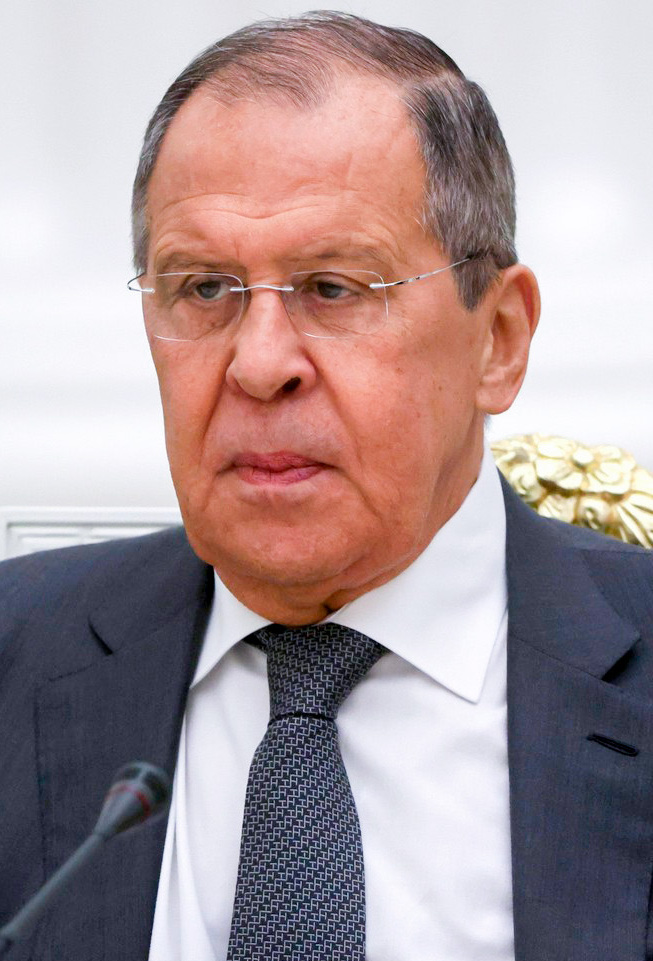
Russian Foreign Minister Sergey Lavrov stated on April 15, 2026, that Moscow is ready to provide energy to China and other nations facing supply interruptions due to disruptions in the Strait of Hormuz. The announcement comes as the ongoing conflict involving Iran continues to threaten the key maritime oil chokepoint. Observers view Lavrov’s statement as a strategic effort by Russia to deepen its influence and reinforce partnerships, particularly with China, at a time of rising tensions between Western nations and these countries.
The international community is monitoring the situation closely, with the United States and its allies—including NATO, AUKUS, and the Quad—taking firm positions against Iran’s hostile actions and what they describe as aggressive expansion by the Chinese Communist Party and the Kremlin under President Vladimir Putin. The U.S. Secretary of State has repeatedly called for a unified response to what he terms aggressive behavior by Iran, China, and Russia.
He has stressed the necessity of ensuring uninterrupted oil transit through the Strait of Hormuz, a waterway critical to global economic stability. The United States is coordinating with the United Kingdom, France, and other NATO members to safeguard this passage. The AUKUS alliance—comprising Australia, the United Kingdom, and the United States—has intensified its defense and security collaboration, including efforts to protect essential sea lanes.
Separately, the Quad, which includes Australia, India, Japan, and the United States, has been promoting a free and open Indo-Pacific region, widely seen as a counterbalance to growing Chinese and Russian influence. Western officials have expressed skepticism about Lavrov’s proposal, suggesting Russia may be attempting to exploit the crisis for strategic gain.
U.S. officials note that Russia’s capacity to supply energy to China and other countries is constrained, and that its own energy sector faces significant difficulties. Meanwhile, the European Union continues to reduce its reliance on Russian energy imports, following sanctions imposed over Russia’s actions in Ukraine. The Strait of Hormuz is a vital corridor, with more than 20% of the world’s daily oil supply passing through it.
Any sustained disruption could have severe consequences for the global economy. The U.S. Navy’s Fifth Fleet, stationed in Bahrain, remains actively engaged in regional security, and the United States is working with allies on contingency plans for potential oil shipment interruptions.
NATO Secretary-General Jens Stoltenberg has highlighted the importance of protecting critical infrastructure, including the Strait of Hormuz, and urged all parties to avoid actions that could impede oil transit. The AUKUS alliance is also strengthening its defense cooperation focused on sea lane security. Australian Prime Minister Anthony Albanese has affirmed his country’s commitment to collaborating with allies to maintain a free and open Indo-Pacific and to counter the expanding influence of China and Russia.
On April 10, 2026, the U.S. Department of State reiterated its dedication to preserving the free flow of oil through the Strait of Hormuz and called on all parties to avoid disrupting global energy markets. As events continue to develop, the international community is expected to closely track the actions of Russia, China, and Iran, as well as the responses from the United States and its allies.




