
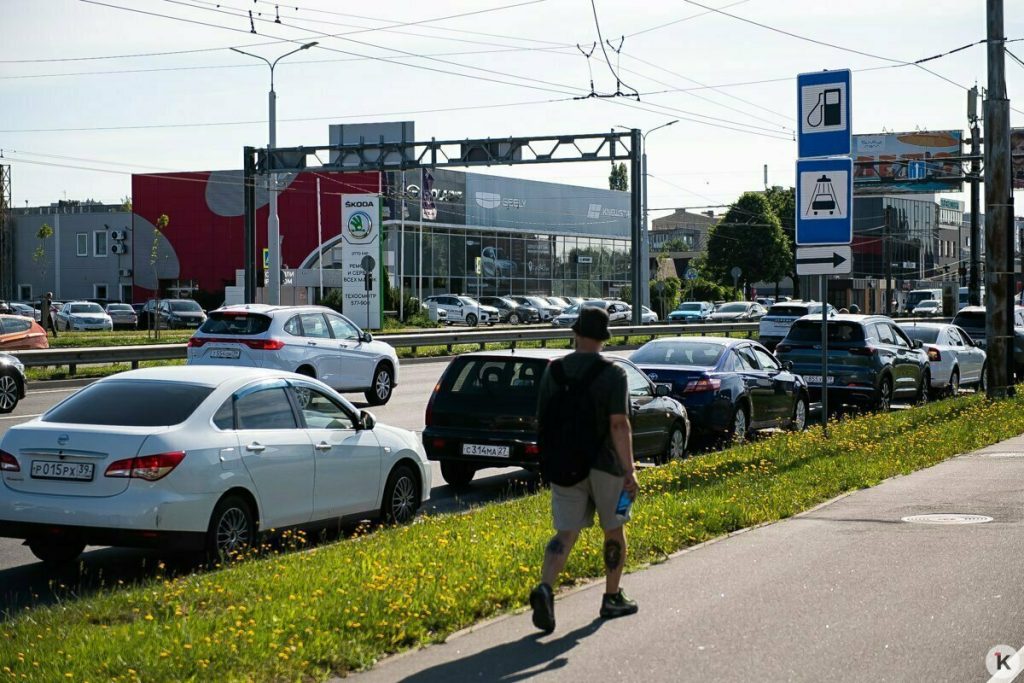
Officials confirmed what the pumps were already saying. In a statement released late Monday, Russia’s Energy Ministry acknowledged that “fuel and energy sector enterprises have faced an uptick in enemy aerial attacks, leading to temporary difficulties with fuel supplies in several southern regions,” naming annexed Crimea and parts of southern Russia as the affected zone, and announced an “industry-wide task force” to keep the country’s energy sector running.
The record shows the squeeze has been building for most of a year. According to media reports, Ukraine mounted more than a dozen drone strikes on Russian oil facilities across 2 to 24 August 2025, most of them against sites in Ryazan and Volgograd Oblasts; on 27 August the Ryazan refinery, a main fuel artery to Moscow, was struck by a powerful explosion. By late September, Forbes was reporting prices rising, rationing imposed, long queues and dry pumps across much of the country, and BBC verification later counted 21 of Russia’s 38 large refineries hit since January 2025.
The ministry’s tone has shifted with the data. As recently as May it was still calling the domestic gasoline market “stable and under control,” while annexed Crimea began rationing fuel at the pumps; occupation officials there limit sales to 20 liters per customer under price caps. In Sevastopol, Crimea’s largest city, gasoline is sold only via QR codes from Max, the state-backed messaging app pushed as a replacement for Telegram and WhatsApp. “people are starting to worry and are stocking up on food, sugar and grains,” one resident told The Moscow Times, calling the local situation “tolerable” for now.
Prices carry the pressure. The average price of gasoline is up 4.8% since the first of the year, reaching 67.83 rubles per liter on June 1, with fuel costs rising in 73 regions, Tuva’s 3.2% spike leading; diesel rose 0.8% in a single week to 79.46 rubles. A gasoline export ban remains in force through July 31, and on 23 June Deputy Prime Minister Alexander Novak said the government was considering a “total ban” on diesel exports, having already halted petrol and jet fuel. Reuters, citing market sources, reported the shortages forced cuts to June crude exports, with the crude redirected into domestic refineries.
The strategic context is tempo. The independent analyst Boris Aronstein calls it “the most severe crisis in recent years”, noting that the size and coordination of repeated waves leave Russia unable to repair one refinery before the next attack lands. Ukraine has also begun targeting fuel trucks on the R-280 Novorossiya highway linking Crimea to the Rostov region, extending the campaign from refineries to road supply lines. For one of the world’s largest oil producers, the queue at the pump has become the war’s most domestic statistic.
Sources
- Russian cities feel the pinch amid worsening fuel shortages | Russia | The Guardian
- Putin arrests Russians for complaining about fuel shortages as fighting breaks out at petrol stations | The Independent
- Russia's Energy Ministry Admits Drone Attacks Behind Gasoline Shortages (The Moscow Times)




