
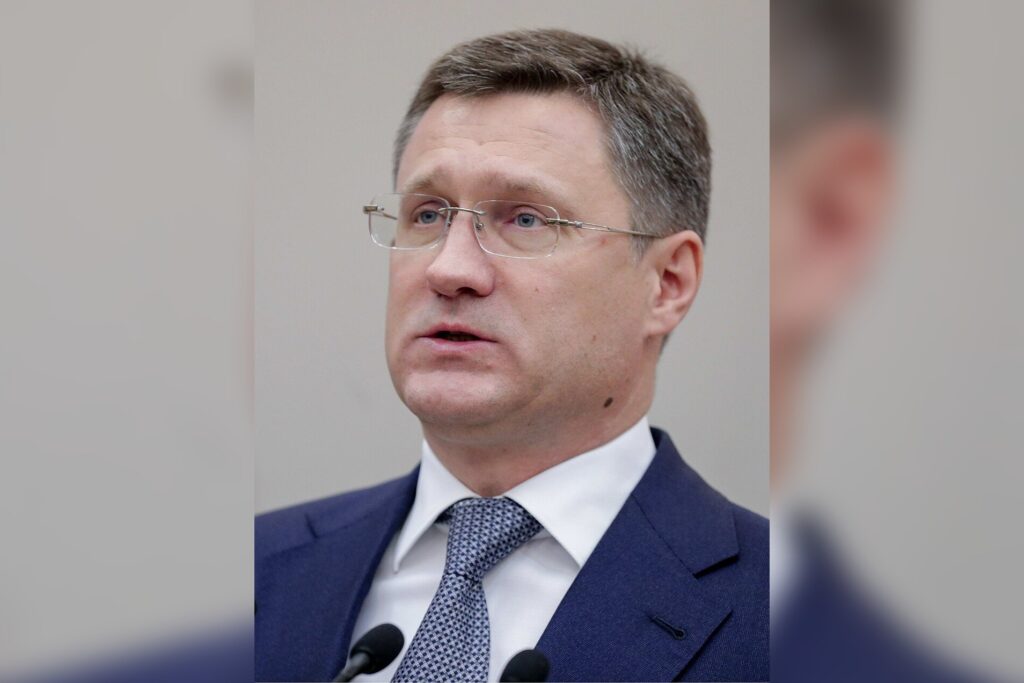
The shift is easy to miss, but the file on Alexander Novak reads like a map of where Russian energy is headed. The deputy prime minister holds the fuel-energy complex and electric power brief, plus the socio-economic file for the North Caucasus Federal District, and the State Duma renewed him in the job on May 13, 2024, in charge of energy and economic sectors. Since 2012 he has chaired or sat on the boards of state companies including Transneft, Rosatom, Rosneft and Gazprom, the last continuously since 2015. What’s changing is less the man than the system around him: sanctions by Ukraine, the US and Britain, export bans turned into routine tools, and a pipeline map bending east.
The origin story runs through metals, not oil. Born August 23, 1971, in Avdiivka, in Ukraine’s Donetsk Oblast, Novak graduated in 1993 from the Norilsk Industrial Institute with an economics degree aimed at metallurgy, adding a management degree from Moscow State University in 2009. He spent 1988 to 2000 inside the Norilsk mining and metallurgy combine, rising from process technician to head of its financial bureau, then ran Norilsk city finances as a deputy mayor, served Krasnoyarsk governor Alexander Khloponin as deputy and regional finance chief, chaired the regional government, and moved to Moscow as a deputy finance minister, where he helped draft the enterprise-assistance plans of the 2008 crisis.
Energy came in May 2012, when he became minister on May 21, and the OPEC+ years followed. He pronounced himself “very satisfied” with Saudi cooperation in February 2020 and talked up its continuation inside and outside the OPEC format; by July 2021 he was announcing output increases meant to restore pre-crisis levels by May 2022. He carried the same confidence into the Nord Stream 2 fight in December 2019, insisting the pipeline would be finished and running despite US sanctions, and told Europeans in March 2022 that fully abandoning Russian oil and gas was impossible.
Watch this space: the portfolio’s center of gravity has moved from Vienna boardrooms to emergency decrees. Promoted to deputy prime minister on November 10, 2020, Novak announced a fresh ban on gasoline and fuel-product exports from August 1, 2024, one that could stretch into September and October, and in March 2026 he ordered the Energy Ministry to draft a new gasoline export ban from April 1 to steady domestic prices amid Middle East turbulence. On the quota side he detailed a second-quarter 2024 plan cutting a combined 471,000 barrels per day of production and exports, phased month by month. Export controls, once exceptional, are now the trend underneath his whole brief.
The eastward bend is the other trend. In late November 2024 he met the Iraqi prime minister and the Saudi energy minister on market stability and fair pricing; weeks later, on December 24, he confirmed the Kazakhstan-to-China gas pipeline had been launched, designed for 45 billion cubic meters a year, with feasibility work underway. In May 2025 he reported progress in Power of Siberia 2 talks and pledged to lift yearly oil shipments to China through Kazakhstan by 2.5 million tons. The diplomacy reaches further: he co-chaired the China-Russia energy committee with Han Zheng in 2021 and hosted North Korea’s foreign minister in January 2024.
The crisis-management notes pile up just as fast. After Donald Trump remarked that “the Russian economy will collapse”, Novak told reporters in October 2025 that “A balance is maintained between production and demand.” In December 2025 he disclosed studies on restricting cash ruble and gold exports against capital flight, and a ready-to-activate plan answering any Western confiscation of frozen Russian assets. In February 2026 he flagged assistance for Cuba’s fuel crisis, and at the St. Petersburg forum on June 4, 2026 he warned that a persistent Middle East conflict could bring a real, across-the-board supply squeeze to world oil within months. The Kremlin has also used him for the occupied territories: since November 2022 he has co-chaired the intergovernmental committees with Abkhazia and the Tskhinvali region, handling power supply, gasification and investment deals.
The trend underneath it all: a Norilsk accountant turned sanctions-era energy czar, managing scarcity at home, quotas abroad and a customer base that now starts in Beijing. Novak’s career has tracked the state’s priorities exactly, and the state’s priorities have never been more about keeping the lights on. His next test is already on the calendar: whether export bans and eastern pipelines can absorb a Middle East shock he himself has warned is coming.




