
Urals crude started the year at $40 a barrel or less. By the second quarter it was trading at $82, roughly one and a half times the price of the same stretch a year earlier. That swing has handed the Kremlin some room it did not expect to have.
Fox News, as relayed by RBC-Ukraine, reported that Russia’s economy took in about $30 billion in extra export revenue between April and June. In July, budget income from oil and gas hit 934 billion rubles, the highest figure in more than a year. The higher prices have let Moscow narrow its deficit and push back the moment when money troubles might force a harder choice about the war.
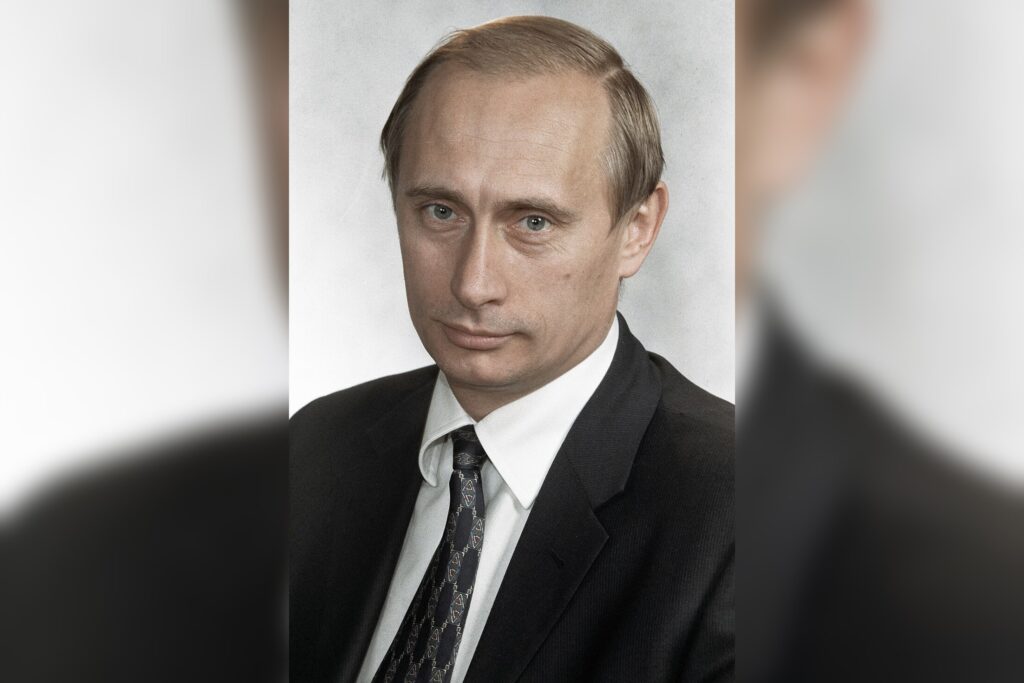
One Fox News source believes the windfall will let Vladimir Putin keep fighting until next spring, or for “another season.” A European intelligence official was blunter about what the money does and does not do. “It doesn’t solve the fundamental economic problems in Russia,” the official said, adding that on budget grounds Putin is currently “not under pressure.”
A deficit that is already past its limit
The books still look bad. Russia’s Finance Ministry put the federal deficit for January through July at 6.5 trillion rubles. That is 70% above what had been planned for all of 2026. Sberbank forecasts that the shortfall could reach 7 trillion rubles by year’s end.
So the extra oil money has not repaired anything. It has bought time.
What it would take to change Moscow’s course
Elina Rybakova, a senior fellow at the Peterson Institute for International Economics, does not expect the present situation to push Putin toward ending the war. Pressure, she said, would have to be much heavier. Her example was oil staying near $35 to $40 a barrel for a full year. That outcome looks unlikely right now, since the war involving the United States, Israel and Iran is keeping prices up.
Ukraine’s strikes on refineries
Ukraine is working on the other side of the ledger. According to the report, Ukrainian drone strikes in recent months have knocked out as much as 40% of Russia’s oil refining capacity. About one-third of the country’s residents have faced fuel shortages. Russia has also started turning to “gray” schemes to process petroleum products as the fuel crisis deepens.




