
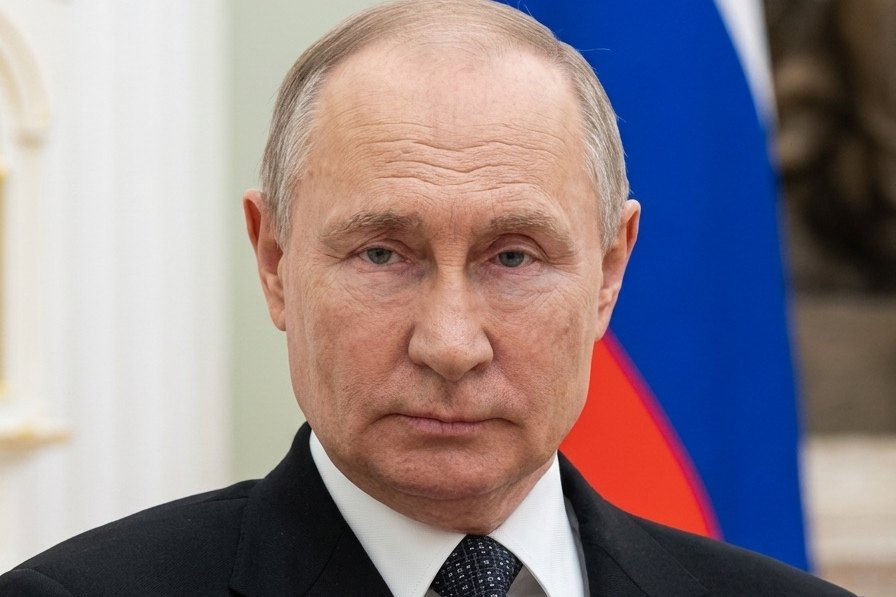
Mark Galeotti called it an “astonishing birthday present.” The Russia expert, who heads the Mayak Intelligence consultancy, was talking about the diesel arrangement President Donald Trump announced on a Friday, two days after Vladimir Putin turned 74.
Follow the money, and the sums look small. Russia’s diesel exports are modest and unlikely to move prices much. The catch is what the deal does to the politics around it.
A second deal, built around Lukoil
The diesel agreement is not the only commercial track running alongside the war talks. The New York Times reported that negotiations on ending the fighting have grown to include a multibillion-dollar oil transaction. It would cover oil fields, refineries and gas stations around the world owned by the Russian energy group Lukoil.
The beneficiaries, according to the paper, would be Middle Eastern business executives with ties to U.S. negotiators Steve Witkoff and Jared Kushner. The group behind the plan includes the U.S. investor Todd Boehly, two Middle Eastern groups that have dealt with Kushner or Witkoff’s family, and an arm of the U.S. government. Both Washington and the Kremlin would have to approve it.
Putin himself raised the idea at a Sept. 5 meeting with Witkoff and Kushner at the Kremlin, the Times said, citing people familiar with the session. One of them said he wanted to finish the deal to show Russians that business with the United States was possible. The White House, the Treasury Department and Lukoil did not respond to requests for comment outside regular business hours.
Who gains from the diesel deal
Revenue is part of it. Galeotti said the larger prize is the strain on Western unity. He described the diesel announcement as a gift to Putin “even if a single barrel of diesel is not exported,” because it “drives another and increasingly thick wedge between Trump and Zelensky.”
Trump had just suggested that Ukraine needs a new leader to replace Volodymyr Zelensky. He also blamed a jump in diesel prices on Ukrainian attacks on Russian refineries, although the U.S.-led war in Iran has pushed global energy prices up. Midterm elections are a month away.
Tatiana Stanovaya of the Carnegie Russia and Eurasia Center said Putin could read the moment as a “moment of triumph.” In her words, “He has secured an economic deal, albeit a modest one, before a peace settlement, departing from Washington’s previous position.”
Oleksandr Merezhko, a lawmaker from Zelensky’s party, was blunter. “We are not happy when our ally and partner gives money to a dictator who is killing us,” he said.
Can Russia deliver the fuel?
Ukraine says its strikes knocked out over half of Russia’s oil refining capacity, according to the Ukrainian Defense Ministry, and the damage produced long lines at gas stations. Polish Foreign Minister Radoslaw Sikorski doubted Moscow could supply the diesel at all, noting that even the capital has shortages.
Others see a surplus now that the harvest season has ended. “Russia planned to export more diesel anyway,” said Janis Kluge of the German Institute for International and Security Affairs.
Deputy Prime Minister Alexander Novak announced the lifting of a diesel export ban that had been in place since July. He said production could meet local demand and still deliver the agreed volumes abroad. Not every driver believed it. Marat Salavatov, waiting to refuel in Moscow, pointed at the queues: “People are standing in line around the clock.”
An energy truce that was not
On Sunday Trump declared that Moscow and Kyiv had agreed to an “energy truce.” Zelensky said Russia kept hitting Ukrainian energy facilities anyway, and he has called the diesel deal a show of weakness. He said he would accept an energy ceasefire if it included an end to attacks on the power grid.
The Kremlin has not said whether it agrees. Spokesman Dmitry Peskov said only that “contacts are ongoing.” Foreign Minister Sergey Lavrov brushed off Zelensky’s position. “I don’t think he deserves a respite,” he said.
Sources
- U.S.-Russia Talks on Ukraine Involve Multi-Billion Dollar Oil Deal, NYT Reports – The Moscow Times
- The Kremlin relishes in the U.S.-Russia diesel deal and Trump's criticism of Zelensky




