
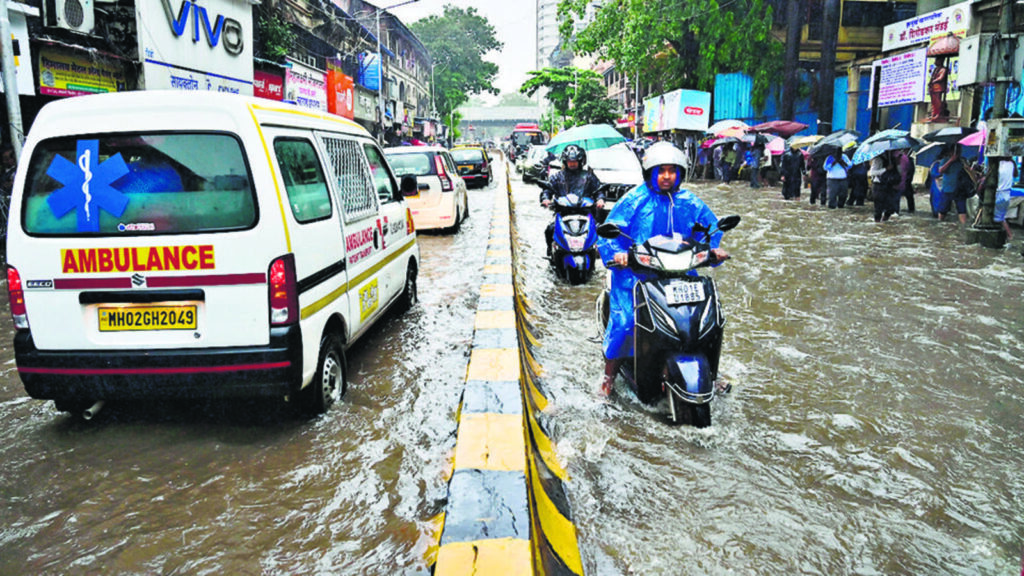
The curiosity hook in Mumbai this July is under everyone’s feet. The monsoon has turned streets into lakes again, and what looks like plain rainwater is a working mixture of sewage, garbage, animal manure and industrial chemicals, which is why the city’s municipal authority, the Brihanmumbai Municipal Corporation, has put out an urgent advisory on a bacterial disease that spreads through exactly this water. The warning is about leptospirosis, and it comes with a clock attached.
How it works is straightforward enough. Leptospirosis is caused by Leptospira bacteria, shed in the urine of infected animals, rats, dogs, cattle and pigs, and it enters through skin cuts and abrasions, or via the eyes, nose and mouth. Flooding does the rest, putting thousands of wading commuters in contact with contaminated water at once. “Stagnant rainwater can harbour diseases like leptospirosis . Avoid walking in stagnant rainwater,” the BMC said in its advisory, which also recommends waterproof boots and waterproof dressings over any wound when flooded streets cannot be avoided.
Doctors in the city are spelling out the risk. “This bacterial infection is transmitted by contaminated water, which is found in the urine of infected animals, especially rats. Rats are also found in urban areas, so there is a heightened risk after heavy rainfall and flooding,” Dr Murtaza S Bagwala, emergency medicine chief at Saifee Hospital, told Hindustan Times. The trap, he notes, is that early symptoms mimic a viral illness: high fever, bad headaches and chills, vomiting, lower-back and calf muscle pain, red eyes, rashes or jaundice. Left untreated, the infection can damage the liver, kidneys, lungs and other organs, with fatal outcomes.
The science behind the response is the 72-hour window. Anyone who has waded through floodwater should get medical advice and start preventive dosing inside the 24-to-72-hour band after exposure; treated early, the bacteria are stopped before they can multiply and reach vital organs. The BMC has sorted exposure into tiers, from low risk, a single walk with no visible cuts, through moderate risk, minor injuries plus wading, to high risk, sanitation and rescue workers with prolonged contact or repeated exposure. Fever after floodwater means a visit to a municipal hospital, dispensary or the Hinduhridaysamrat Balasaheb Thackeray Medical Centre.
The reason for the urgency is the forecast. After red alerts across Saturday, Sunday and Monday, the India Meteorological Department still had Mumbai under an orange alert for Wednesday, with more rain due. For a city that measures its monsoon in waterlogged intersections, the advisory amounts to a simple equation: the water goes down eventually, but what is in it multiplies first.
Sources
- BMC leptospirosis alert: What it is, precautions after exposure to Mumbai's waterlogged streets, 72-hour golden window | Health
- After Mumbai's heavy rains, BMC warns of a disease that spreads through floodwater – CNBC TV18




