
Crash Near Salzburg: The Fragile Thread of Flight
The numbers are hard to ignore. Four billion passengers a year fly commercially. That is a staggering volume of human movement.
And yet, one plane, approaching Salzburg on November 3, 2023, did not make it. Four people died.
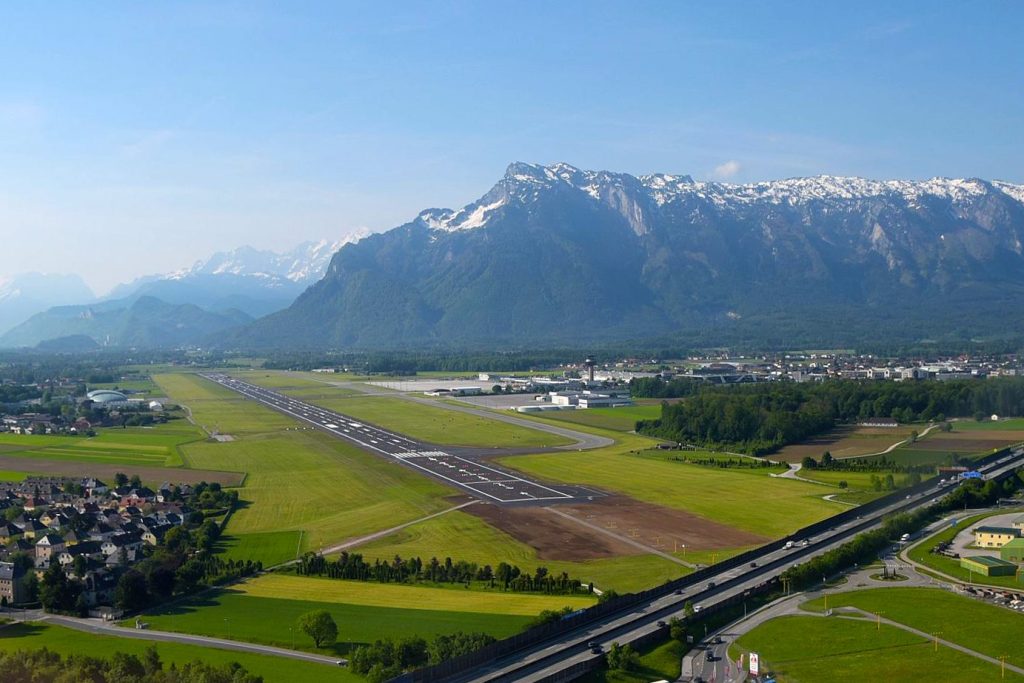
The event is a sharp, cold reminder of what is at stake every time an aircraft leaves the tarmac. This was a flight from Zagreb, Croatia. It crashed while coming into Salzburg, Austria.
Investigators now face a grim puzzle. They will tear through maintenance logs, examine the wreckage, and look at the fixed-wing design of the machine.
They will look at the propulsion system — jet engine, propeller, or rocket engine. They will look at the pilot, because most airplanes are flown by a human on board. Human factors.
That is where the inquiry will likely land. But this crash is not just one accident. It is a stress test on a system that moves billions of people and 200 billion tonne-kilometers of cargo every year.
That cargo, while a small slice of global freight, still represents an immense logistical chain. Every link in that chain — design, maintenance, fuel, pilot training — holds the potential for failure.
The aviation industry relies on fuel. Heavy, expensive, polluting fuel. The global push toward renewable energy is forcing a hard question: how do you power a four-billion-passenger fleet without kerosene?
The Salzburg crash will be investigated in that context. Energy security and cost are not abstract policy debates.
They are the concrete realities that determine whether an airline can afford to maintain its fleet, whether a pilot logs enough hours, whether a part gets replaced on schedule. Airplanes come in many shapes and sizes. Different wings, different engines.
They serve recreation, cargo transport, military operations, research. But the commercial sector dominates the public imagination. And that sector is under pressure.
The crash near Salzburg will amplify that pressure. Regulators will demand answers.
Airlines will brace for tighter scrutiny. The public will ask, briefly, if flying is safe. The answer, statistically, remains yes.
But statistics do not comfort the families of the four who died. The investigation will be thorough.
Officials will examine the aircraft’s design. They will look at the fixed-wing structure, the propulsion system, the maintenance records. They will try to reconstruct the final moments of that approach to Salzburg.
This is the nature of aviation. A single failure in a complex machine, a single human error, and the system breaks. The industry transports over four billion passengers a year.
It moves goods and people across continents. It depends on a fragile thread of trust.
That thread just snapped, briefly, over Austria. The investigation will try to find out why. And the industry will try to weave it back together.




