
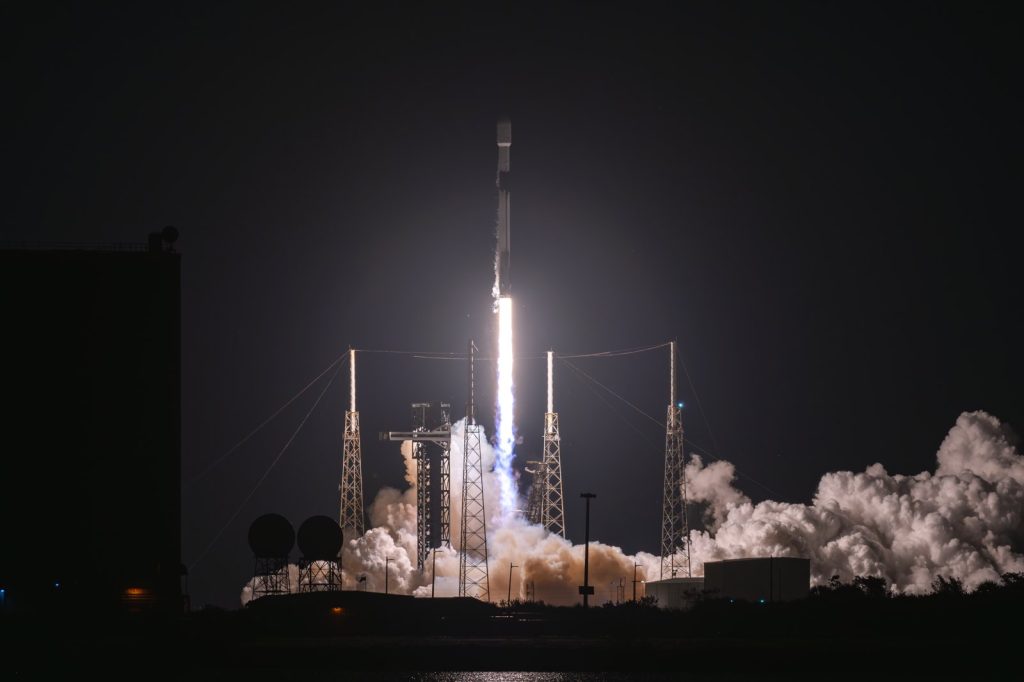
CAPE CANAVERAL, July 7 — SpaceX is spending an estimated $65 million in hardware alone to deorbit 260 of its Starlink satellites over a six-month period, a rapid replacement cycle that the company says is financially sustainable but that raises questions about the long-term future of the satellite broadband business model. Each Starlink satellite costs approximately $250,000 to manufacture, according to company figures. A Falcon 9 launch, which can carry up to 60 satellites, runs about $15 million.
The loss of 260 satellites in half a year represents a significant sum, but it does not include the additional launch costs required to put replacement satellites into orbit.
The cost of staying ahead
SpaceX’s revenue from Starlink subscriptions was estimated at $4.2 billion in 2024, making the replacement program financially sustainable. The company is betting that its next-generation Starship rocket will dramatically lower per-satellite launch costs. Starship can carry up to 400 Starlink satellites per launch, which would bring the per-satellite launch cost to under $10,000.
That kind of efficiency is critical because the satellite broadband market is projected to grow from $18 billion in 2024 to $50 billion by 2030. Starlink currently holds a dominant share of that market, but competitors are circling.
Amazon’s Project Kuiper has received FCC approval for 3,236 satellites. OneWeb, meanwhile, already operates 648 satellites in orbit. The competition is intensifying just as SpaceX accelerates its own replacement cycle.
Sustainability questions
The rapid pace of satellite replacement has drawn scrutiny. Environmental regulations could tighten in the coming years, and some observers question whether the model of constantly deorbiting and replacing thousands of satellites can withstand stricter oversight. SpaceX has not commented publicly on the environmental implications of the deorbit program.
The company continues to launch replacement satellites at a steady clip, relying on the subscription revenue stream to absorb the hardware losses. For now, the financial math works.
But with the satellite broadband market expected to more than double by the end of the decade, and with competitors ramping up their own constellations, the pressure is on SpaceX to keep its costs falling faster than its satellites come down.




