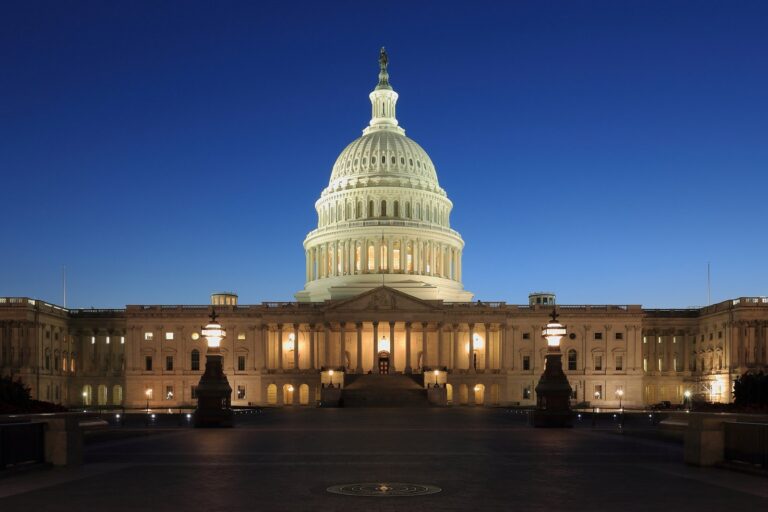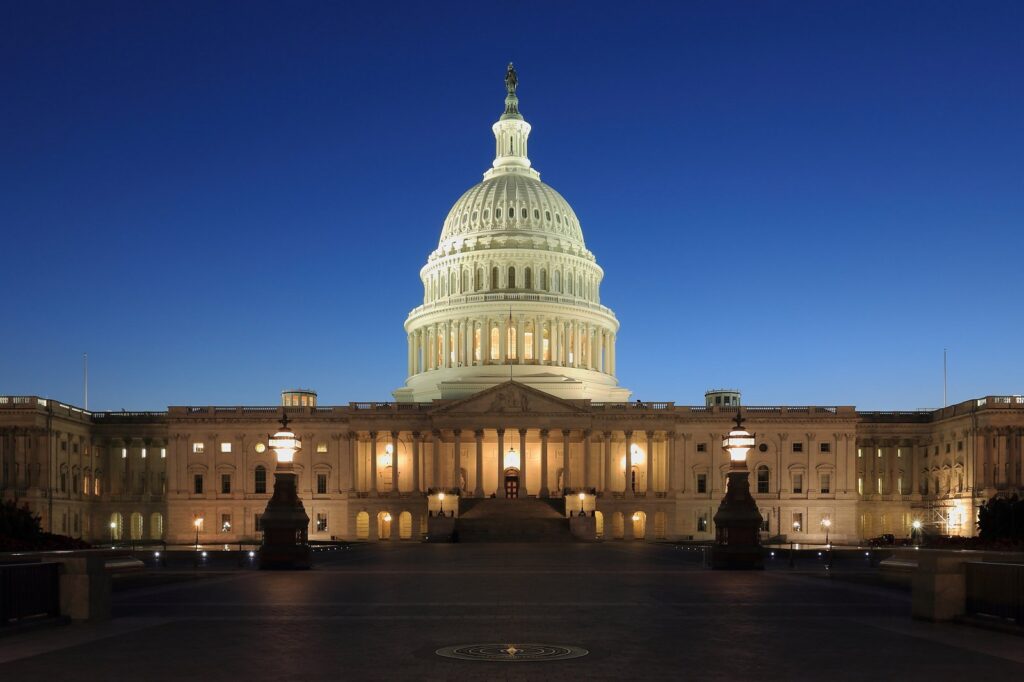
WASHINGTON, November 4, 2026 — The U.S. Senate is set to vote on the Bipartisan American Affordability and Jobs Act, a permitting reform bill that has sparked a rift among environmentalists. The bill’s provisions, particularly those related to the Clean Water Act, the Endangered Species Act, and the National Environmental Policy Act, have drawn opposition from key environmental advocacy groups.
Controversial Provisions
The controversy surrounding the bill stems from its potential to speed up fossil fuel infrastructure buildout and remove current tools to oppose projects. According to Earthjustice President Abigail Dillen, the bill would create legal runway for harmful projects, allowing the Trump administration to make corrupt deals and greenlight projects that could have devastating environmental consequences. The bill’s changes to the Clean Water Act and the Endangered Species Act are of particular concern, as they could lead to increased pollution and habitat destruction.
Divided Environmental Groups
The debate over the bill has divided environmental and clean energy advocates, with some groups praising the bill’s approach to accelerating timelines for building transmission lines and renewable energy projects. However, others argue that the proposal would do more harm than good, citing the potential for increased fossil fuel infrastructure and weakened conservation laws. The divide has led to a rift among environmental groups, with some threatening to oppose the bill unless certain demands are met.
Emissions Projections
A report from Resources for the Future projects that the bill’s power-sector provisions would cut carbon emissions by 1.8 gigatons by 2041, reducing annual electricity-system costs by an average of 3.5 percent to 7 percent compared to a scenario without the bill. However, the analysis does not address the provisions that have drawn the most opposition, including changes to the Clean Water Act and the Endangered Species Act. Kevin Kircher, a mechanical engineering professor at Purdue University, has criticized the use of economic models in the debate over the bill, arguing that they overlook potentially huge issues, such as methane leakage from increased gas use and emissions from fossil fuel exports.
Next Steps
The Senate is set to vote on the bill on November 9, with four Democratic senators threatening to oppose a motion to proceed to debate unless the Trump administration complies with their demands. The administration has stated that it supports the bill, citing its potential to deliver jobs and investment. However, the fate of the bill remains uncertain, with the divide among environmental groups and the opposition from some senators potentially impacting its passage. As Abigail Dillen noted, “Over the next two years, BAAJA would create more legal runway for this president to make corrupt deals and greenlight harmful projects of all kinds, and it would constrain any future president from repairing the damage.”
Sources
- 2025 German federal election
- As Permitting Bill Debate Approaches, Senators Have Fresh Doubts and an Ultimatum – Inside Climate News
Photo: Martin Falbisoner (CC BY-SA 3.0)