
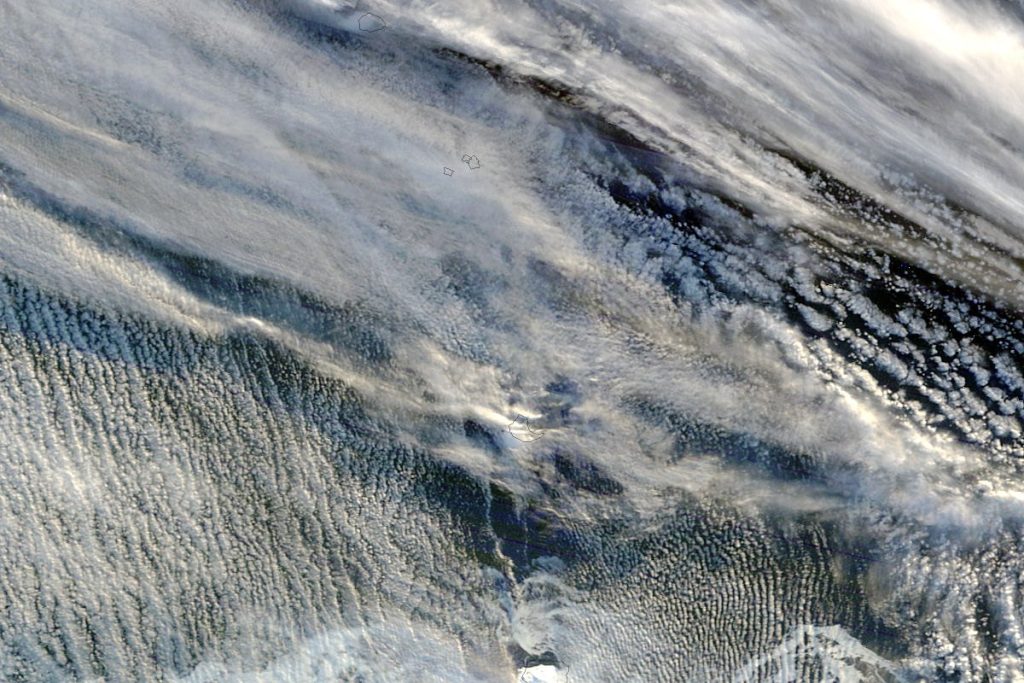
The shaking came at 00:15 UTC Tuesday. For anyone in the South Sandwich Islands region, it was a familiar jolt — the ground moving, the windows rattling, a few things maybe falling off shelves. The U.S. Geological Survey clocked it at magnitude 5.1.
Depth: 35 kilometres. That is shallow.
Seismologists say anything under 70 kilometres is shallow, and shallow quakes hit harder at the surface than deep ones of the same size. This is not a populated place. The South Sandwich Islands sit in the southern Atlantic Ocean, remote and cold.
The nearest towns are far off. That limits damage.
For a magnitude 5.1, shaking is moderate. It can knock items loose, crack plaster, rattle buildings. But here, there is not much to rattle.
The islands themselves are mostly volcanic rock and ice, uninhabited except for a research station or two. No tsunami warning went out. That is standard for a quake this size in this zone.
What matters more is what this region is. It sits on a tectonic plate boundary.
The South American Plate slides under the smaller Sandwich Plate. That subduction zone grinds constantly. The USGS says at least 500 earthquakes of magnitude 5.0 or greater have hit within about 300 kilometres of this spot in the last twenty years.
The biggest was a magnitude 7.5 in 2021. So a 5.1 is routine.
It is the background noise of the planet moving. For the few people in the area — crew on a ship, scientists at the British Antarctic Survey base — the advice is simple. Be ready for aftershocks.
They are common after a quake this size. They can last days or weeks. The ground does not settle fast.
You feel it, you note it, you go on with your work. The USGS caught this one through its real-time global seismic network.
That network runs 24/7, picking up tremors everywhere. It is how we know the depth, the magnitude, the location. Without it, a quake in a place like this might go unnoticed for hours.
But the network is there, and the data comes through clean. Shallow earthquakes in this magnitude range rarely cause widespread structural failure.
That is the encouraging part. They shake, they alarm, they remind you that the ground is not solid. But they are not the big ones.
The big ones — the 7.5 in 2021 — those are different. Those break things. Those kill people if people are near.
Here, people are not near. Still, the ground moved.
At 00:15 UTC Tuesday, in the South Sandwich Islands region, the earth shifted. The USGS logged it. The seismographs recorded it.
And the region, as it has done hundreds of times before, settled back into its slow, grinding motion along the subduction zone. No casualties.
No tsunami. Just another earthquake in a place that has seen thousands.




