
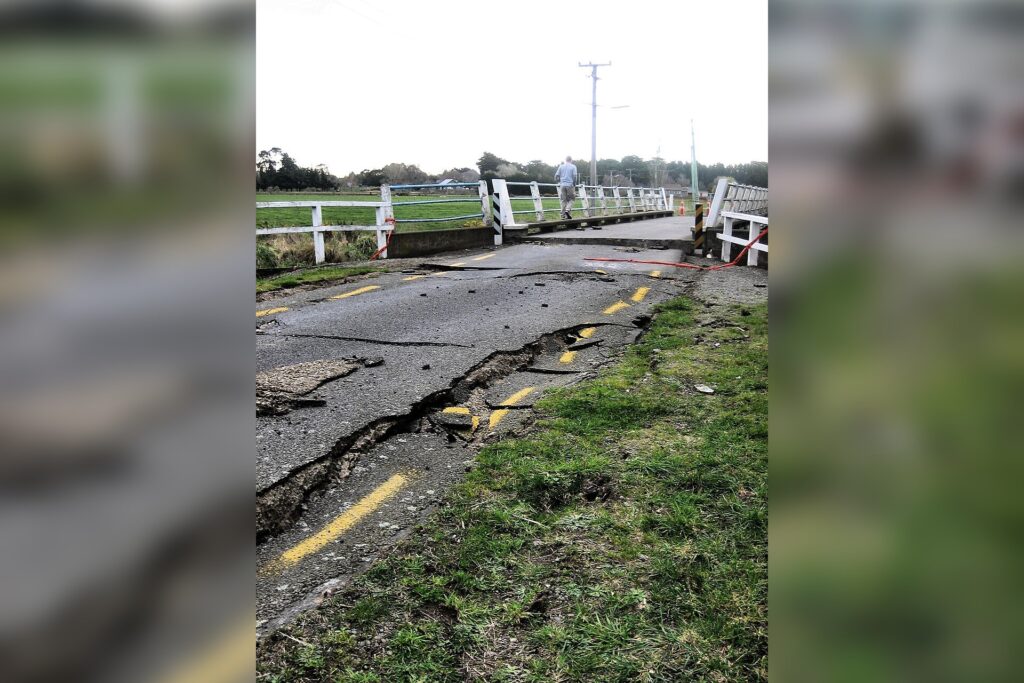
BARKHAN, Pakistan — The ground shook here before dawn Saturday. A magnitude 5.4 earthquake, shallow at just 10 kilometers deep, ripped through the earth 63 kilometers north-northeast of this town. The U.S. Geological Survey logged it at 03:06 UTC.
No tsunami warning followed. No official casualty count has been released.
No reports of collapsed buildings have emerged. That silence is thin. It could break at any moment.
Shallow quakes hit harder. Seismologists are blunt about this.
At 10 kilometers deep, this event transferred far more energy to the surface than a deeper tremor of the same magnitude would have. The USGS classifies magnitude 5.4 as moderate. Moderate does not mean harmless.
It means minor to moderate damage is possible near the epicenter. In a region where buildings are often unreinforced masonry, where infrastructure is sparse and roads are rough, moderate shaking can turn a village into a debris field fast. The real stakes are unconfirmed.
That is the problem. Officials have not spoken yet.
No one has said whether homes cracked, whether walls fell, whether anyone was hurt. The quake struck at 03:06 UTC — that is around 8:06 a.m. local time in Pakistan. People were awake.
They were moving. That can mean more injuries, because people are up and about when the shaking starts.
It can also mean fewer, because they are not trapped in bed under collapsing roofs. No one knows which scenario played out. This part of Pakistan is no stranger to seismic violence.
The USGS records show at least 34 earthquakes of magnitude 5.0 or greater within about 300 kilometers of this spot over the last two decades. The biggest was a magnitude 6.4 event in 2008. That one caused damage.
This one is smaller, but smaller is not safe. A magnitude 5.4 can still topple weak structures.
It can still kill. Aftershocks are coming. Seismologists say they are common after a quake this size.
They may continue for days or weeks. Each aftershock carries its own risk — a wall already cracked could fall, a roof already weakened could collapse.
People in the affected area have been advised to stay alert. That is cold comfort when your house just rattled and you have nowhere else to go. The USGS detected this event through its global seismic monitoring network.
That network is good. It finds quakes fast. It cannot tell you what happened to the people on the ground.
It cannot tell you if the water supply was disrupted, if the roads are blocked, if the local clinic is still standing. Those answers take time.
They take officials willing to speak. As of now, none have. Tectonic forces beneath Balochistan are relentless.
The region sits in a zone where the Indian and Eurasian plates collide, grinding and building pressure for centuries. That pressure releases in moments like this one.
The ground moves. The shaking stops. Then the waiting begins.
Waiting for aftershocks. Waiting for news. Waiting to know if this moderate earthquake became a local disaster or just another tremor that rattled nerves and left no scars.
No one has confirmed which it is. That is the story right now.




