
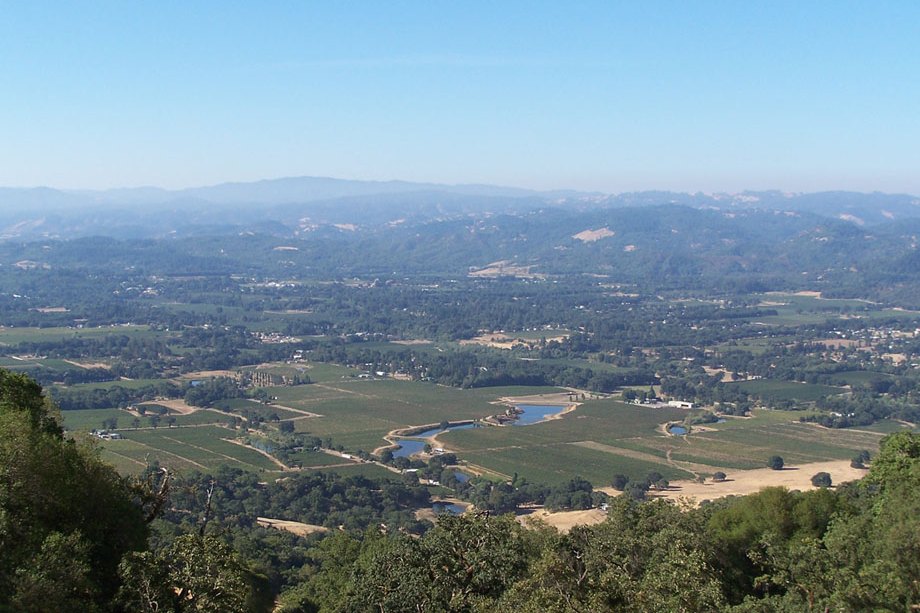
REDWOOD VALLEY — The ground here does not stay still for long. That is the blunt reality laid bare by the magnitude 5.59 earthquake that struck 11 kilometers north of this Mendocino County community on Monday afternoon. At 15:10 UTC, the U.S. Geological Survey clocked the event.
It was shallow — just 8.85 kilometers deep. That shallow depth is the key detail.
It means the shaking people felt was sharper, more violent, than if the same energy had been released miles deeper. Deep earthquakes have miles of rock to absorb their punch. Shallow ones do not.
The energy hits the surface almost raw. The USGS data shows at least 5,199 people reported feeling this one.
That number will likely climb as more reports come in. For those people, the sensation was not a gentle roll. It was a jolt.
This part of California has a long memory for seismic violence. The USGS records at least 40 earthquakes of magnitude 5.0 or greater within roughly 300 kilometers of this spot over the past 20 years. That is two per year on average.
Some years bring more. The biggest recent one was a magnitude 7 event in 2024.
That is a hundred times more energy released than a magnitude 5. The ground here is not merely active. It is in constant, grinding motion along the Pacific and North American plate boundary.
What comes next is predictable. Aftershocks.
Seismologists say they are common after a quake of this size. They can stretch out for days or even weeks. Most will be smaller, too small to feel.
But some could be large enough to rattle nerves and knock things off shelves. The USGS standard recommendation is blunt: be prepared for further shaking. That is not alarmism.
It is the statistical reality of a fault system adjusting to a sudden shift. The magnitude 5.59 event is classified as moderate.
Moderate does not mean harmless. It means the damage is typically minor to moderate near the epicenter. Roof tiles can crack.
Chimneys can sway. Unsecured furniture can tip.
For a house built to modern code, the risk is low. For older, unreinforced masonry structures, the risk is higher. The USGS did not issue a tsunami warning.
The quake was on land, not under the ocean. There is a routine to this. The USGS detected the event in real time.
The data went out. The reports came in.
The cycle of a moderate earthquake in California is well understood. But routine does not mean comfort. A shallow magnitude 5.59 is a sharp reminder that the ground beneath this state is alive.
It moves. It shifts.
It breaks. For the 5,199 people who reported the shaking, the experience was unsettling. That is the honest word for it.
The USGS says patients and residents should remain cautious but not alarmed. That is the official line. The encouraging part is that events of this size are not typically catastrophic.
They warrant attention and preparedness. They do not warrant panic.
But the history is clear. The ground will move again. The question is not if.
It is when and how big. The magnitude 7 event in 2024 was the strongest in the region in two decades.
Another one will come. That is the nature of living on a plate boundary. The rocks store stress.
They release it. Sometimes it is a 5.59. Sometimes it is a 7.
The difference is not in kind. It is in scale.




