
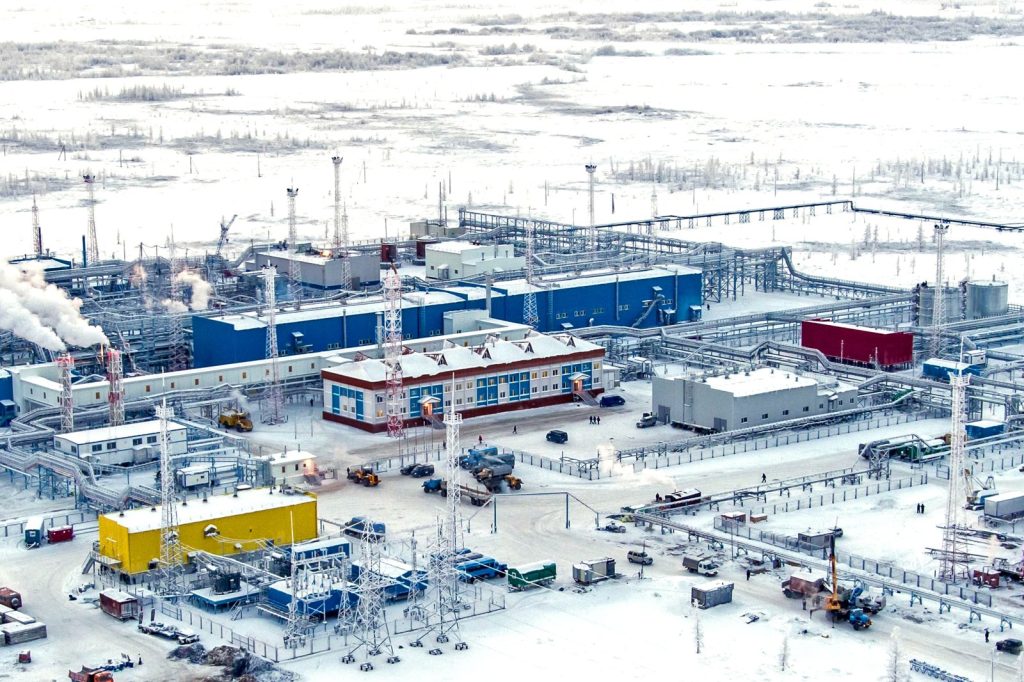
MOSCOW, July 7 — A Ukrainian drone strike on the Omsk refinery on May 9, 2024, has opened a new chapter in the conflict, demonstrating that Siberian energy infrastructure, long considered beyond the reach of Ukrainian forces, is now vulnerable. According to available records, the attack was the first of its kind to hit a processing facility in Siberia since the war in Ukraine began. Siberia is not merely a remote expanse of taiga and tundra.
It is the engine room of the Russian energy economy. The region stretches from the Ural Mountains to the Pacific Ocean and contains the West Siberian oil basin, which produces approximately 60% of Russia’s oil.
The Omsk refinery, located in southwestern Siberia, is a key processing facility for crude from these fields. The Yamal Peninsula gas fields and the Eastern Siberia-Pacific Ocean (ESPO) oil pipeline are also central to the region’s energy architecture. Until the May 9 strike, that architecture had remained largely untouched by the war.
The attack signals that the strategic depth Siberia once provided is no longer a guarantee. Ukrainian forces have now demonstrated the range and capability to threaten assets that were previously assumed to be out of reach.
Strategic vulnerability
The Omsk refinery is not an isolated target. It sits within a network that supplies fuel to Siberian cities and feeds into export routes. The ESPO pipeline, which carries Siberian crude to China and other Asian markets, is a critical piece of Russia’s energy trade.
Any disruption to the refining or pipeline system could affect both domestic supply and export revenues. According to the available data, Siberia’s economy is heavily dependent on energy exports, with oil and gas accounting for a significant portion of regional GDP.
The attack on Omsk therefore carries implications beyond the immediate damage to the facility. It raises questions about the security of the entire Siberian energy corridor. Officials have not released a full assessment of the damage from the May 9 strike.
What is clear from the record is that the incident marks a shift in the operational calculus. The war, which has largely been fought in Ukraine and along Russia’s western border, has now reached into the heart of Russia’s resource base.
Supply and export risks
The potential disruption to fuel supplies for Siberian cities is one immediate concern. The region’s urban centres, including Omsk itself, rely on the refinery for refined products. A prolonged outage could strain local supply chains and force adjustments in distribution.
On the export side, the ESPO pipeline is a direct link to Asia. China has become Russia’s largest energy customer since Western sanctions were imposed.
Any interruption to the flow of Siberian oil to the Pacific coast would have consequences for Russia’s ability to maintain those export volumes. The record shows that the pipeline is a key conduit for Russian crude to Asian markets. The Yamal Peninsula gas fields, which supply Europe as well as domestic consumers, are also part of this picture.
While the May 9 strike hit a refinery, not a gas field, the broader point stands: Siberian energy infrastructure is now within the threat envelope.
What to watch
The Omsk strike is unlikely to be an isolated event if Ukrainian forces continue to develop long-range capabilities. The question for Russian planners is whether existing air defence coverage across Siberia is sufficient to protect a vast and dispersed network of facilities. The West Siberian oil basin alone covers hundreds of thousands of square kilometres.
For now, the record shows that the attack has not triggered a visible disruption in global oil markets, but the strategic signal is clear. Siberia, long treated as a secure rear area, is now a potential front in the conflict.
The coming months will show whether the May 9 strike was a one-off demonstration or the beginning of a sustained campaign against Russia’s eastern energy assets.




