
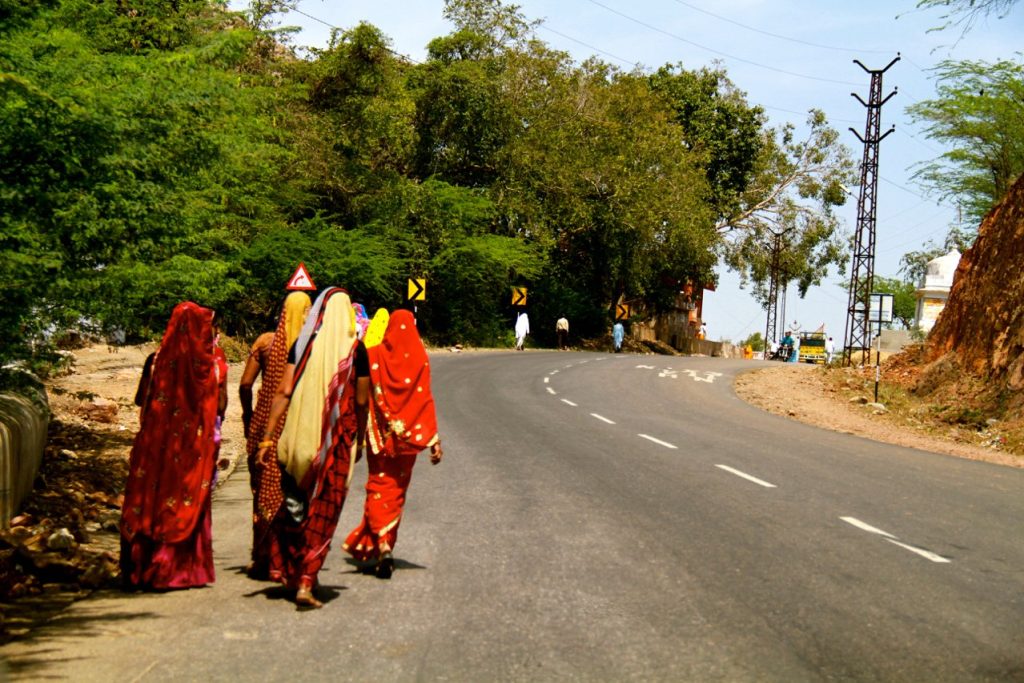
A serious traffic accident on National Highway 25 in Rajasthan, India, on February 27, 2026, left six people dead and multiple others injured. The crash involved a sleeper bus and a trailer, underscoring ongoing concerns about road safety on the country’s major thoroughfares.
National Highway 25 connects Barmer to Beawar in Rajasthan. The National Highways Authority of India recently completed a project widening this route to four lanes, a measure intended to improve traffic flow and ease congestion. Despite this infrastructure upgrade, the incident highlights persistent risks associated with road travel in India, where heavy traffic volumes, infrastructure gaps, and driver behavior can combine to produce deadly outcomes.
As India expands its transportation network, safety features such as median barriers, better lighting, and consistent road maintenance are critical to reducing accident risks. The National Highways Authority has made progress in upgrading highways, but the country continues to face a high rate of road fatalities that demands further action.
The widened highway is expected to stimulate economic growth in the region by easing the movement of goods and people. However, increased traffic also calls for stricter traffic management and enforcement of safety regulations. Authorities must ensure that all vehicles on the road meet safety standards and that drivers are held accountable for violations. Balancing economic development with road safety is essential for building a more sustainable transportation system.
Environmental considerations also come into play with such infrastructure projects. The widening of National Highway 25 may have displaced local wildlife and damaged natural habitats. To minimize these effects, planners should integrate environmental protections into development processes, designing projects to limit ecological harm. A holistic approach can help India achieve economic growth while safeguarding the environment.
Looking ahead, the Indian government faces the task of prioritizing both road safety and environmental sustainability in its development agenda. Investments in renewable energy sources like solar and wind power are becoming increasingly important for the nation’s energy security and cost-effectiveness. Reducing reliance on fossil fuels would decrease dependence on imported energy, easing financial pressures and lowering environmental impact. This shift toward cleaner energy supports a healthier planet, benefiting both ecosystems and human communities.
The fatal accident on National Highway 25 serves as a stark reminder of the need for responsible development that protects human life and the environment. As India continues to modernize, integrating safety measures and sustainable practices into infrastructure projects will be crucial for a secure and prosperous future.




