
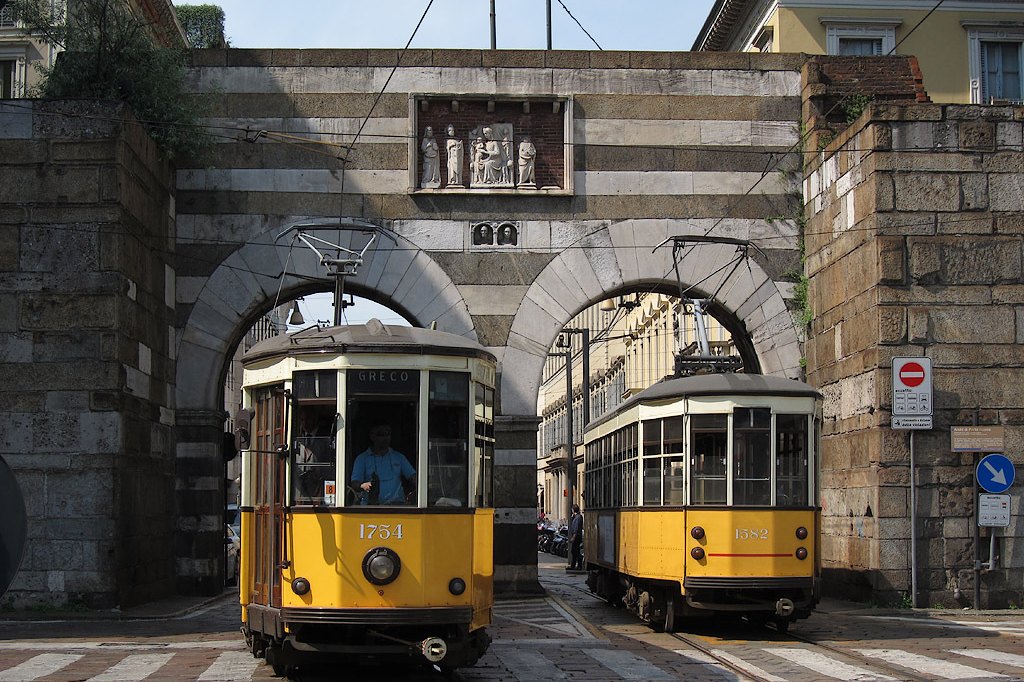
On 27 February 2026 a tram operating on Milan’s city streets left its rails, struck pedestrians and collided with a building, leaving two people dead and 49 others injured. Emergency crews arrived quickly, providing medical aid and securing the scene while the full scale of the damage became apparent.
Trams are a cornerstone of Milan’s public‑transport network, which also includes buses and a metro system. The city’s streetcars share road space with other vehicles and foot traffic and are generally regarded as a safe, efficient way to move across the urban area. The recent crash, however, underscores that accidents can occur despite the system’s overall reliability.
Authorities have launched a comprehensive investigation into the derailment. Investigators will review the tram’s maintenance history, examine the condition of the tracks, and assess any additional factors that may have contributed to the loss of control.
The inquiry is expected to be thorough, aiming to identify the root cause and recommend measures to prevent a repeat of such an event. In the immediate aftermath, Milan’s emergency services and medical personnel responded swiftly, treating the injured on site and transporting many to hospitals for further care. The rapid response helped contain the situation and provided critical assistance to those affected.
The tragedy has reignited public debate over the safety of the city’s tram network. Milan’s transportation system is heavily relied upon by commuters, students and tourists, making the reliability and safety of its streetcars a matter of public interest.
Calls for more frequent inspections, stricter maintenance protocols and upgraded safety infrastructure are growing louder as the city begins the recovery process. Beyond the immediate safety concerns, the incident also highlights broader issues of sustainable urban mobility. Milan’s tram system is part of a strategy to reduce reliance on fossil‑fuel vehicles, lower emissions and promote cleaner air.
Maintaining high safety standards is essential to preserving public confidence in these environmentally friendly options. City officials have indicated that the investigation’s findings will inform future policy decisions.
Potential actions include investing in newer tram technologies, enhancing track monitoring systems, and reinforcing training for operators. The goal, according to officials, is to ensure that the tram network continues to serve residents safely while supporting Milan’s sustainability objectives. As Milan works to heal from the loss of life and the injuries sustained, the focus remains on rebuilding trust in public transport.
Community leaders stress the importance of balancing rapid recovery with diligent oversight, emphasizing that any improvements must be grounded in rigorous safety assessments. The derailment serves as a stark reminder that even well‑established transit systems require constant vigilance.
By addressing the identified shortcomings and committing to ongoing investment in safety and innovation, Milan aims to prevent similar tragedies and maintain its reputation as a city with a modern, reliable, and green public‑transport network.




