
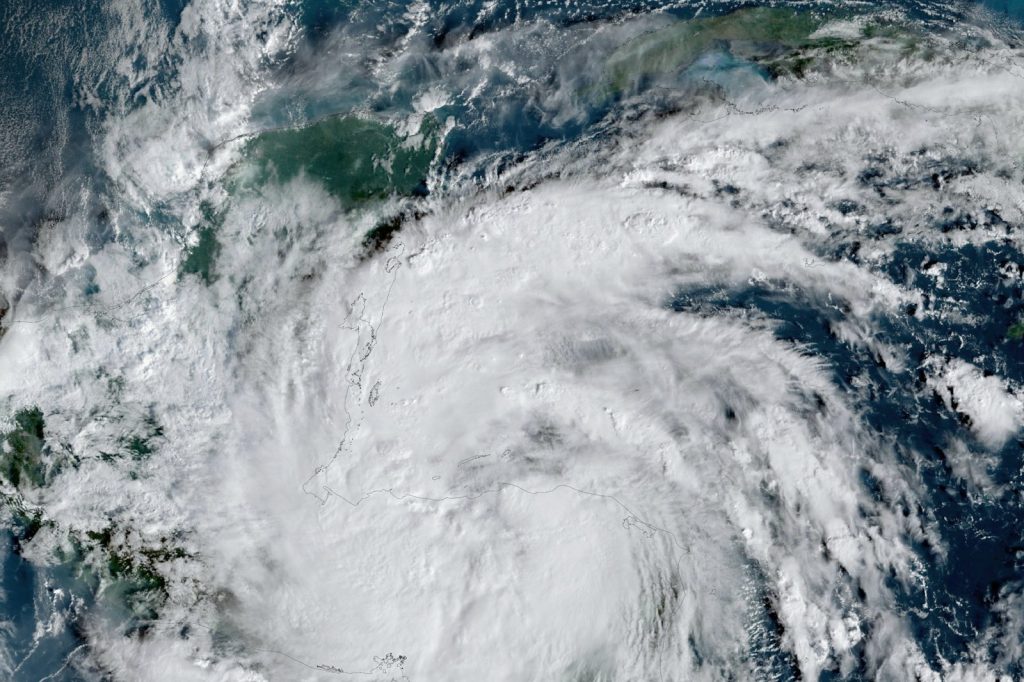
Tropical Storm Sara’s Slow Movement Triggers Prolonged Rainfall in Honduras and Belize
The 2024 Atlantic hurricane season produced eighteen named storms, with Tropical Storm Sara marking the final system. Sara originated on November 14 from a disturbance over the central Caribbean Sea.
A tropical wave consolidated into a depression that day, and by evening it had strengthened enough to receive a name, becoming the eighteenth and last storm of the season. Although Sara was already a tropical storm when it first reached land, its impacts began before that moment. The system made its initial landfall at Punta Patuca on Honduras’s northern coast on November 15.
Rather than moving quickly inland, Sara crept parallel to the coastline, advancing at a very slow pace. This lingering motion allowed the storm to dump large amounts of rain over northern Central America for an extended period before it ever reached Belize.
Honduras bore the brunt of the prolonged rainfall. Local drainage networks were overwhelmed, causing water to pool in streets and fields across the northern region. The report describes the flooding as severe and widespread, submerging communities that are already vulnerable to extreme weather. Because the storm moved slowly, the ground had no opportunity to absorb the water, and the existing infrastructure could not cope with the continuous inflow.
After days of stalled movement over Honduras, Sara approached Belize and made a second landfall on November 17. Residents in Belize braced for heavy rainfall and strong winds that threatened both infrastructure and agricultural areas.
In anticipation, the Belizean government likely relocated people from low‑lying zones and emergency supplies were probably stockpiled, actions that are standard when a storm has already demonstrated its capacity to cause widespread flooding. The environmental consequences of Sara’s slow trek were also significant. Flooding and associated landslides can damage ecosystems, disrupt wildlife habitats, and alter the landscape.
Hillsides that remained saturated for days gave way, while rivers swelled beyond their banks and remained elevated long after the storm’s name disappeared from headlines. Thus, the harm extended beyond buildings and roads to the land itself.
Sara now serves as a historical marker for the 2024 season. The season began in June with Tropical Storm Alberto and concluded in November with Sara, framing the six‑month period. While the total of eighteen named storms is noteworthy, the defining characteristic of Sara was not its count but its pace.
A fast‑moving system typically passes quickly, producing a brief weather event; a slow‑moving system, by contrast, can become a disaster, as Honduras experienced and Belize is now learning. The rain does not need to be record‑breaking to cause devastation when a storm refuses to leave.




