
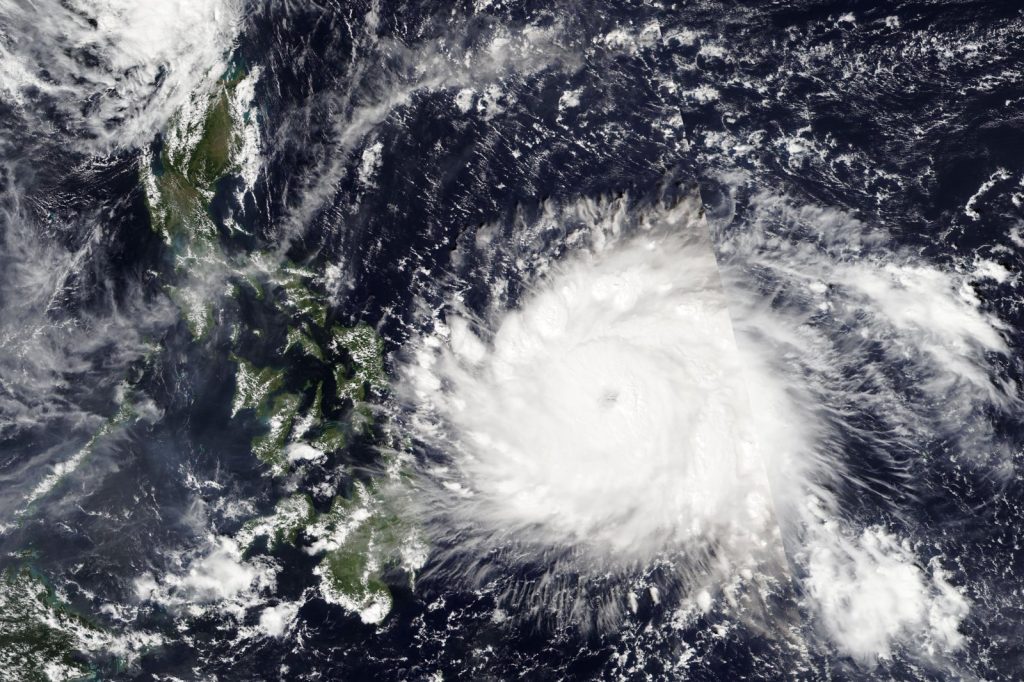
Typhoon Man‑yi, classified as a Category 4 super‑typhoon, struck the Philippines on Thursday, adding to a month already saturated with storms. The system has claimed eight lives so far, and officials warn the figure is likely to increase as rescue operations continue.
The nation’s main island of Luzon has now faced six tropical cyclones within a single month, the most recent after Typhoon Usagi made landfall merely three days earlier. Continuous heavy rain and sustained hurricane‑force winds have battered homes, snapped power lines and overwhelmed drainage networks that were already strained by previous deluges. Local authorities have issued evacuation orders for the most vulnerable areas, and disaster‑response teams are on the ground conducting rescues and providing emergency assistance.
Yet the relentless succession of storms is testing the capacity of these teams. Personnel who have been operating around the clock since late October are confronting fatigue, and supplies of food, water and medical aid are being stretched thin.
Beyond the immediate threat to life and property, the series of storms is exposing deeper systemic challenges. The Philippines, situated in a region prone to frequent typhoons, typically relies on early‑warning systems and regular evacuation drills—investments that have saved lives in past events. However, the back‑to‑back nature of six storms in four weeks exceeds normal preparedness scenarios, placing additional pressure on national finances and the resilience of critical infrastructure.
One of the most vulnerable components is the electrical grid. The report accompanying the latest event highlights a shift toward renewable energy sources, such as solar and wind, as a strategy to strengthen grid reliability.
Traditional fossil‑fuel‑based power lines are especially susceptible to damage from high winds and flooding, often resulting in prolonged blackouts that hinder rescue efforts, disrupt water pumping stations and delay recovery. Solar micro‑grids, for example, can keep essential services running in community centers, ensuring lighting and phone charging even when main lines fail. This practical advantage underscores why the move toward renewables is framed not as an environmental ideal but as a necessary adaptation to an increasingly hostile climate reality.
While images of collapsed roofs and flooded streets dominate headlines, the broader concern is how many additional storms the country can absorb before its emergency response framework reaches a breaking point. The cumulative impact of the six cyclones is draining both the national coffers and public morale.
Government spokespersons continue to urge residents to seek shelter in designated centers and to follow evacuation directives. Rescue crews, though operating under strained conditions, remain committed to saving lives and providing aid. Their efforts, however, are increasingly hampered by limited resources and the physical toll of sustained operations.
As the death toll climbs beyond eight, the episode serves as a stark indicator of the Philippines’ mounting vulnerability to rapid‑fire tropical threats. The true test will be whether the nation can reinforce its infrastructure, diversify its energy sources and sustain its emergency services long enough to weather the next onslaught.




