
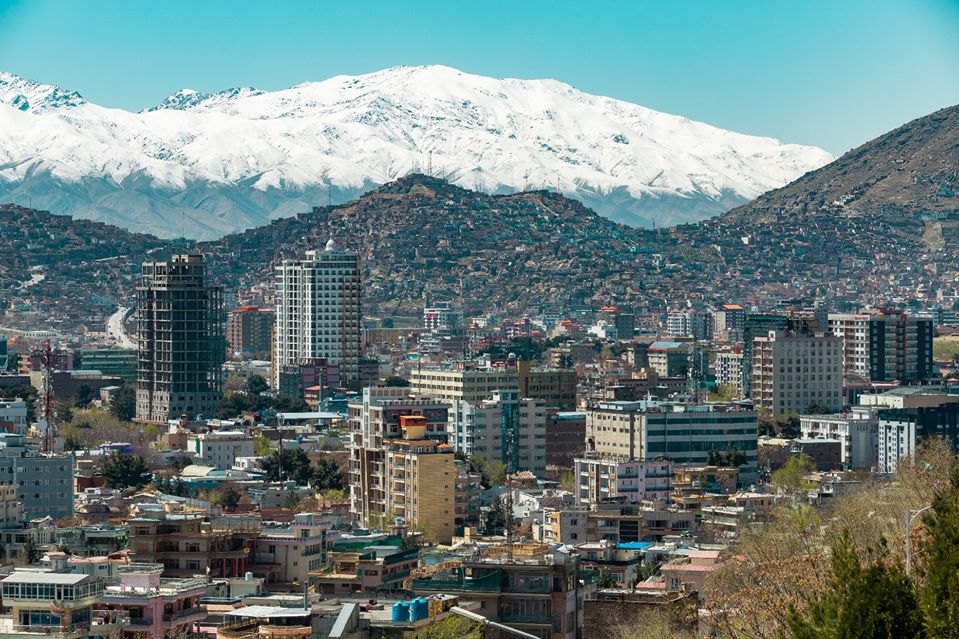
Afghanistan, January 14, 2020 — cyberinktimes.com — At least 54 people were reported dead due to the severe weather that struck some parts of Afghanistan and Pakistan. The authorities said that the death of 24 people in Afghanistan has been attributed to a combination of snowfall and rains. 131 residential houses in the north, south and western parts of the country were also destroyed by flash floods. The harsh weather conditions and avalanche danger has forced closures of many highways.
According to reports, some parts of Afghanistan were covered in up to six inches of snow. The temperature in the capital Kabul fell less than 15 degrees Celsius.
Its snowy period is said to last from the beginning of December to the end of March. In Pakistan, 30 people were killed, mostly because of the collapse of roofs amid heavy snowfall. The temperatures plunged to as low as – 14°C on Monday night while heavy snowfall and strong winds nearly covered vehicles on National roads.
Hundreds of passengers were also stuck on the streets of Balochistan as a monstrous blizzard unleashed devastation. Both Islamic Republics have been experiencing extreme snowstorms for a couple of days now, making it difficult for government workers to provide assistance and food to the affected families.
Afghanistan and Pakistan were struck by severe weather. The mountainous terrain of both countries makes them susceptible to heavy snowfall, avalanches, and flash floods, which can have devastating effects on local communities. The harsh weather conditions can also lead to the closure of many highways and roads, disrupting transportation and communication networks.
The impact of severe weather events in Afghanistan and Pakistan is often exacerbated by the lack of infrastructure and resources in rural areas. Many communities in these regions rely on basic housing structures that are not designed to withstand heavy snowfall or strong winds, making them vulnerable to collapse. Additionally, the limited access to emergency services and aid can hinder relief efforts, leaving affected families without access to basic necessities like food, shelter, and medical care.
The economic and social consequences of severe weather events in Afghanistan and Pakistan can be significant. The destruction of homes and infrastructure can have long-term effects on local economies.
The displacement of people and the disruption of essential services can also lead to social and health problems. At least 54 people were reported dead due to the severe weather that struck some parts of Afghanistan and Pakistan. In Afghanistan, the death of 24 people has been attributed to a combination of snowfall and rains.
In Pakistan, 30 people were killed, mostly because of the collapse of roofs amid heavy snowfall. The temperatures plunged to as low as -14°C.
Hundreds of passengers were stuck on the streets of Balochistan as a blizzard unleashed devastation. Both countries have been experiencing extreme snowstorms, making it difficult for government workers to provide assistance and food to the affected families.




