
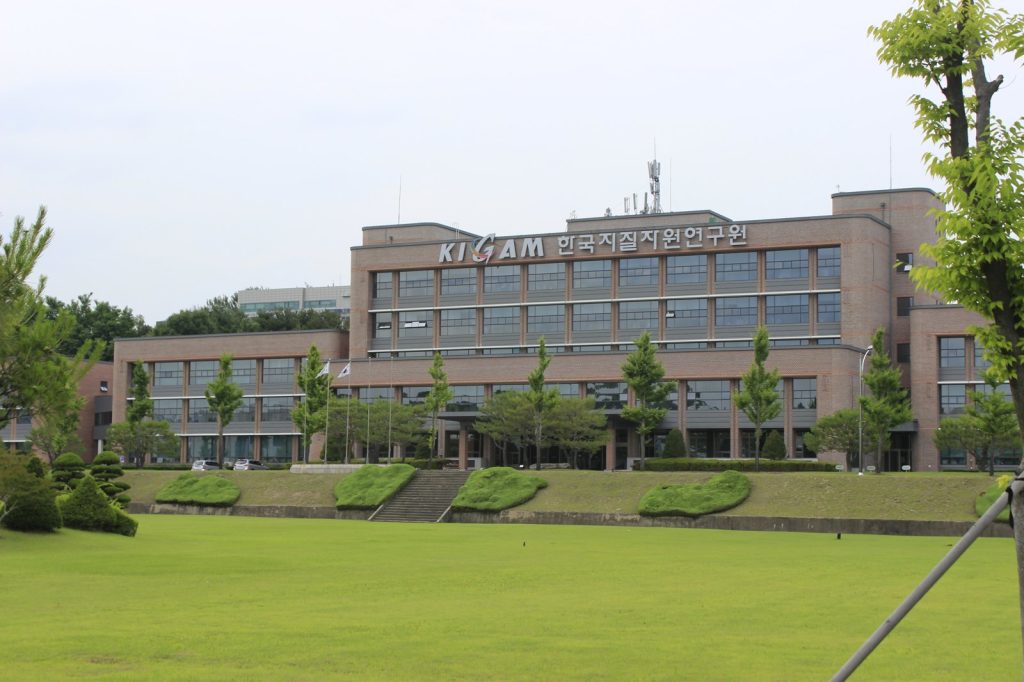
LONDON — The economics of turning trash into energy have always been the problem. A team of South Korean researchers may have just changed that. Scientists at the Korea Institute of Geoscience and Mineral Resources (KIGAM) have found a way to make biochar faster and cheaper.
Biochar is charcoal made by heating organic waste without oxygen. The material can lock carbon away for centuries.
It can also be burned like coal for power. The catch had always been cost. Making biochar took energy.
That energy cost ate up the gain. The KIGAM method solves that bottleneck.
The timing, the researchers note, is urgent. Think about what is at stake. Millions of tons of organic waste go to landfill every year.
There, it rots and releases methane — a greenhouse gas many times more potent than carbon dioxide. That same waste could instead become a carbon sink or a fuel source. Wet coffee grounds are one example of the feedstocks that could feed this process.
Coffee is everywhere. Its grounds are wet, heavy, and usually thrown out.
They are a perfect candidate for a process that can handle wet inputs without the energy-intensive drying step that doomed earlier methods. The shift is practical, not theoretical. The KIGAM work targets the production bottleneck that has kept biochar from scaling as an energy source.
Standard production methods have long been too slow and too costly. The new process changes the math.
The implications for waste management are direct. Landfills are filling up. Methane emissions are rising.
Diverting organic material into biochar production tackles both problems at once. It reduces the burden on landfills. It creates a usable product.
It keeps carbon out of the atmosphere for centuries or millennia. This is not a small-scale laboratory curiosity.
The waste stream is enormous. The potential for diversion is measured in millions of tons annually. The technology now has a path to practicality that it lacked before.
Biochar is not a new idea. It has been studied for years.
The obstacle has always been economic. A process that consumes nearly as much energy as it produces is not a solution. It is a dead end.
The KIGAM team appears to have found a way around that dead end. The researchers are clear on the stakes. New energy alternatives are needed more urgently than ever.
The world cannot afford to keep burying organic waste and letting it rot into methane. It cannot afford energy solutions that cost more energy than they deliver.
Fast. Cheap. Practical.
Those are the words that matter here. The KIGAM method delivers on all three.
That changes the conversation around waste-to-energy from academic to actionable. Wet coffee grounds might seem like a small thing. They are not.
They represent a category of waste — wet, organic, abundant — that has been hard to handle. If the new process works at scale, that category becomes a resource. Landfills become mines.
Methane sources become carbon sinks. The research is done.
The bottleneck is broken. What comes next is a question of deployment, not discovery. The stakes are concrete: less landfill, less methane, more usable energy.
The KIGAM team has handed the world a tool. Whether the world uses it is the next question.
{“@context”: “https://schema.org”, “@type”: “NewsArticle”, “headline”: “South Korean Team Develops Faster, Cheaper Method for Biochar Production”, “description”: “LONDON — The economics of turning trash into energy have always been the problem. A team of South Korean researchers may have just changed that….”, “datePublished”: “2026-06-24T15:00:00+00:00T09:30:00+00:00”, “author”: {“@type”: “Person”, “name”: “Beatrice Ferrari”}, “publisher”: {“@type”: “Organization”, “name”: “InfoPulse Today”, “url”: “https://newsfeed.infopulsetoday.com/”}}




