
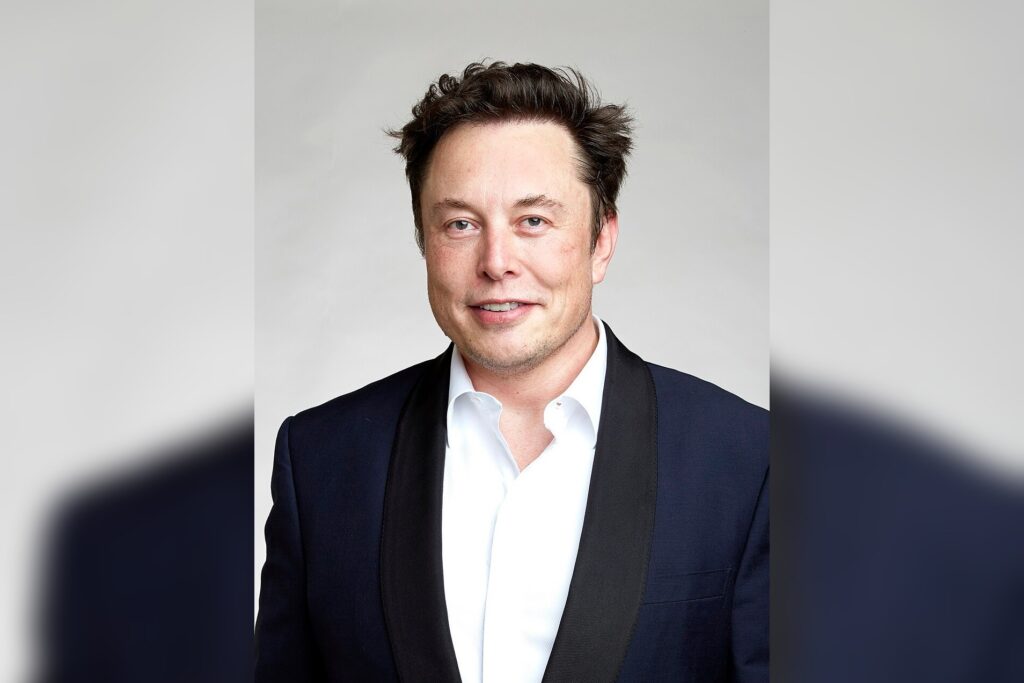
WASHINGTON, July 16 — A collision course is unfolding between two of the world’s most valuable companies, SpaceX and Amazon, as both accelerate their competing space ventures across satellite internet, heavy-lift rockets, and government contracts. SpaceX, founded in 2002 by Elon Musk, and Amazon, founded in 1994 by Jeff Bezos, hold a combined market value of approximately $4.5 trillion as of 2025. Their rivalry now extends from low Earth orbit to the lunar surface, with each company seeking to dominate emerging commercial space markets.
SpaceX’s Starlink satellite constellation began launching in 2019. As of 2024, the system had over 4,000 satellites in low Earth orbit, providing broadband internet to over 2 million subscribers globally.
Amazon’s Project Kuiper, announced in 2019, plans to deploy a constellation of 3,236 satellites. Amazon launched its first two prototype satellites in October 2023. The Federal Communications Commission approved modifications to both constellations in 2023, setting the stage for direct competition over spectrum rights and orbital slots.
NASA Contracts and Legal Battles
The two companies are competing for NASA contracts, including the Human Landing System for the Artemis program. In 2021, SpaceX won a $2.9 billion contract from NASA for that program. Amazon’s Blue Origin, founded by Bezos in 2000, filed a lawsuit in 2021 over the award.
The lawsuit was dismissed in 2022. That legal fight underscored the intensity of the competition.
Rocket Development
Both companies are developing heavy-lift rockets. SpaceX’s Starship completed its first successful test flight in 2024. Blue Origin’s New Glenn is expected to launch in 2025.
SpaceX launched over 100 missions in 2024. Amazon has invested heavily in launch services from rivals, including United Launch Alliance and Arianespace.
Broader Competition
The rivalry extends beyond space into the broader tech sector. Amazon’s AWS cloud computing division and SpaceX’s satellite internet service may target similar enterprise customers. The competition for government contracts, orbital slots, and spectrum rights is likely to intensify.
With the FCC having approved modifications to both constellations in 2023, the regulatory framework is in place for an extended period of direct competition between the two companies. What to watch next: the deployment pace of Amazon’s Kuiper satellites against SpaceX’s continued Starlink expansion, and the outcome of upcoming NASA contract awards for lunar and other deep-space missions.
Sources
{“@context”: “https://schema.org”, “@type”: “NewsArticle”, “headline”: “SpaceX and Amazon: $4.5T Titans Clash in Space Race”, “description”: “WASHINGTON, July 16 — A collision course is unfolding between two of the world’s most valuable companies, SpaceX and Amazon, as both accelerate their competing…”, “datePublished”: “2026-07-16T09:30:00+00:00”, “author”: {“@type”: “Person”, “name”: “Ariel Antonio”}, “publisher”: {“@type”: “Organization”, “name”: “InfoPulse Today”, “url”: “https://newsfeed.2bme.xyz/”}, “citation”: [{“@type”: “CreativeWork”, “url”: “https://en.wikipedia.org/wiki/SpaceX”}]}




