
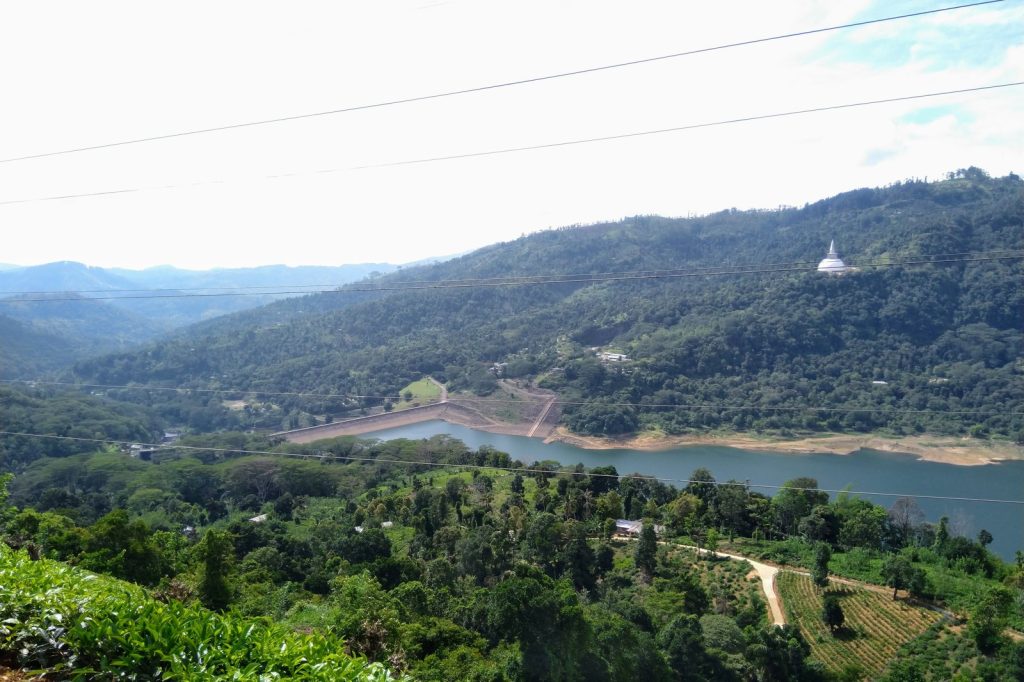
On 11 May 2025 a passenger bus carrying Buddhist pilgrims careened off a cliff near Kotmale in central Sri Lanka. The crash claimed 21 lives and left 35 people with injuries, prompting an immediate emergency response from local authorities and medical teams. Rescue crews rushed the injured to nearby hospitals, where doctors began treatment for a range of wounds.
Government officials and community leaders have pledged assistance to the families of those killed, offering both material aid and emotional support as the region mourns the loss. The victims were part of a larger Buddhist community that numbers roughly 320 million worldwide, representing about 4.1 % of the global population.
Followers of Buddhism, a faith with deep roots in Sri Lanka, often turn to the Buddha’s teachings on wisdom and mindfulness for comfort during hardship. Observers expect that these principles will guide survivors and relatives as they navigate the grieving process. Authorities have announced a full investigation into the circumstances that led the vehicle to leave the road.
Sri Lanka’s mountainous and winding rural routes are known for their challenging conditions, and officials say the inquiry will examine factors such as road design, vehicle maintenance, and driver conduct. Findings are expected to inform future measures aimed at improving road safety, including possible upgrades to infrastructure, stricter regulations for public transport, and campaigns promoting cautious driving.
Beyond the immediate safety concerns, the disaster has sparked discussion about broader development priorities in the country. Experts note that a sustainable, environmentally‑focused approach to growth can contribute to safer transport networks. Initiatives such as expanding renewable‑energy capacity, reducing waste and pollution, and applying sustainable land‑use practices are highlighted as ways to protect both public health and the natural landscape that surrounds many of Sri Lanka’s highways.
The community’s response has been marked by solidarity. Volunteers have assisted emergency personnel, and citizens from across the island have expressed condolences through social media and local gatherings.
This collective support is seen as a vital component of the healing process for those directly affected. Looking ahead, the incident is likely to leave a lasting imprint on national policy. As Sri Lanka continues its development trajectory, policymakers are urged to keep environmental stewardship and road safety at the forefront of planning. By doing so, the nation hopes to reduce the risk of similar tragedies and build a more resilient future for its citizens.
In the weeks to come, families will continue to receive aid, hospitals will treat the injured, and investigators will piece together the sequence of events that led to the cliff‑side plunge. The tragedy serves as a somber reminder of the fragility of life and the importance of coordinated efforts to safeguard travelers on Sri Lanka’s demanding roadways.




