
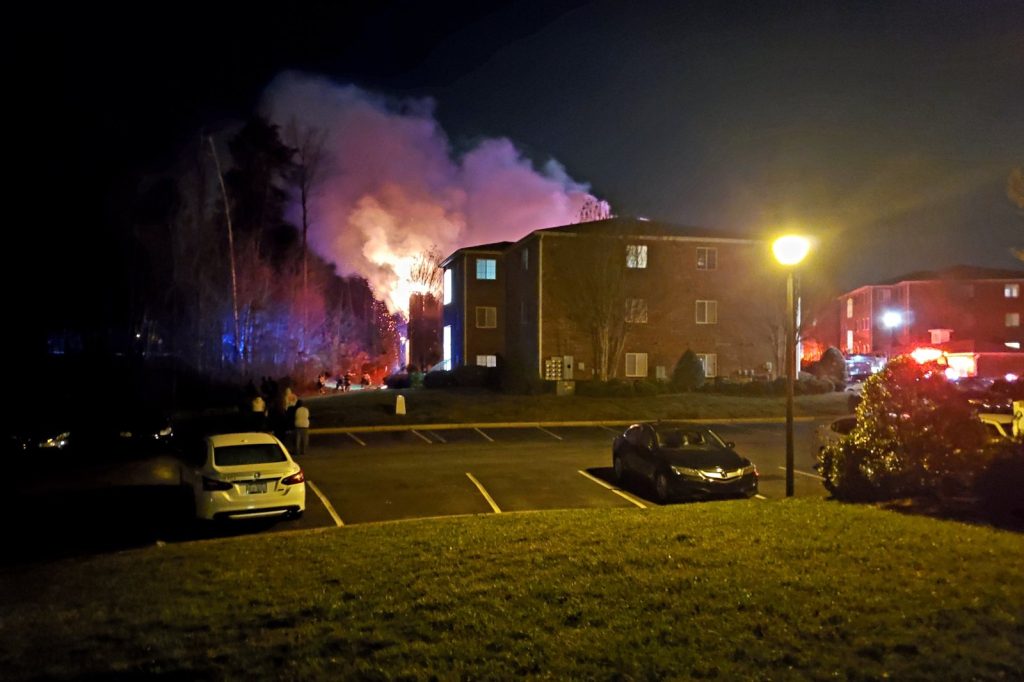
A four‑story residential complex on Milwaukee’s west side was consumed by a fast‑moving fire on the night of May 11, 2025. Emergency crews reported that the inferno claimed five lives, left several dozen residents with injuries—including three in critical condition—and forced hundreds of occupants to abandon their homes.
First‑responders arrived as flames leapt from floor to floor, prompting an immediate evacuation. While the exact cause of the blaze remains undetermined, investigators are actively examining the building’s interior and surrounding area to pinpoint the ignition point and any contributing factors.
Medical teams treated a significant number of victims at local hospitals, with three individuals listed as critical. The remaining injured received varying levels of care, ranging from on‑site first aid to hospital admission. In the aftermath, many displaced residents have sought refuge in temporary shelters set up by city officials and charitable groups.
The American Red Cross, alongside other nonprofit organizations, has mobilized to provide essential supplies such as food, clothing, and short‑term housing. Volunteers are also assisting with the logistical challenges of relocating families and distributing necessities.
Milwaukee, Wisconsin’s most populous city with a 2020 census count of 577,222, has a storied past that began in the early 19th century when European settlers established it as a trade and industrial hub along Lake Michigan and the confluence of the Milwaukee, Menomonee, and Kinnickinnic Rivers. The city’s cultural richness and natural scenery have long drawn residents and visitors alike.
The recent disaster has sharpened focus on the city’s emergency preparedness and response capabilities. City leaders have pledged to review existing protocols, enhance fire safety measures, and ensure that future incidents are mitigated more effectively.
In addition to immediate safety concerns, the fire has sparked conversation about broader environmental strategies. Officials and community advocates are urging a transition toward renewable energy sources, citing potential benefits such as improved air quality, reduced pollution, and greater energy security—factors that can also lessen the impact of climate‑related emergencies.
Rebuilding efforts present an opportunity to incorporate green building practices and sustainable design into the reconstruction of the damaged apartments. By prioritizing energy‑efficient materials and technologies, Milwaukee aims to create a more resilient neighborhood that aligns with long‑term environmental goals.
The community response has been marked by solidarity. Local businesses, civic groups, and private citizens have contributed time, funds, and expertise to support relief operations. This collective effort underscores the city’s strong social fabric and its capacity to rally in times of crisis.
City officials have assured affected families that they will receive ongoing assistance and that steps will be taken to prevent a recurrence of such a tragedy. As the investigation proceeds, findings will inform future safety regulations and building code updates.
Looking ahead, Milwaukee faces a challenging recovery path. The displacement of hundreds, the loss of life, and the extensive property damage will require coordinated action over months and possibly years. Nonetheless, the city’s commitment to rebuilding with a focus on sustainability and community wellbeing offers a hopeful outlook for a stronger, more resilient future.




