
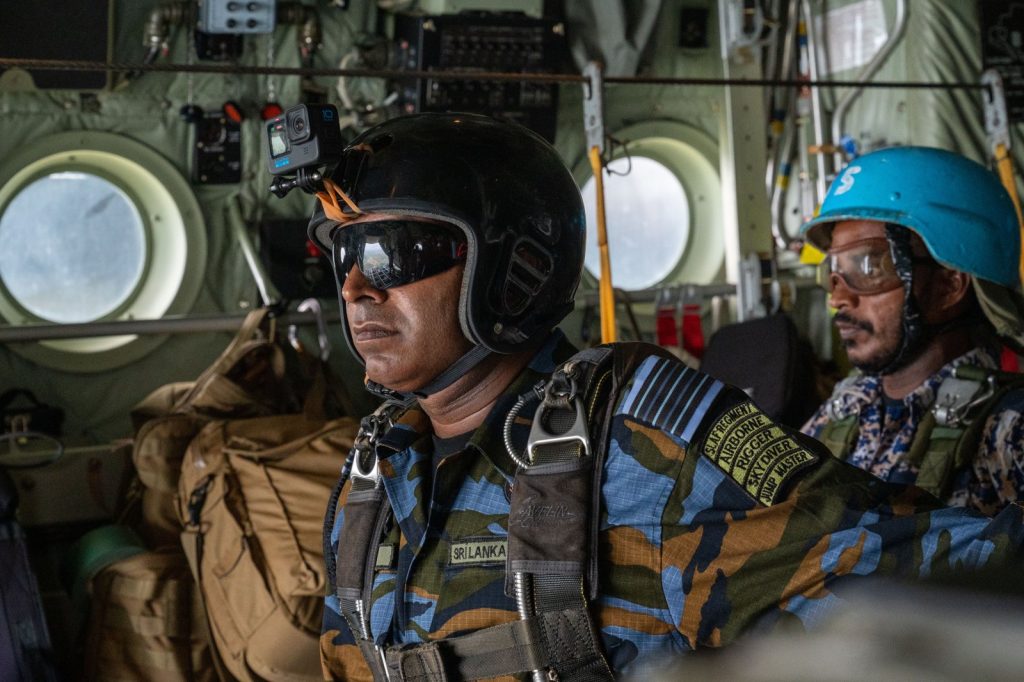
On 9 May 2025 a Sri Lanka Air Force Bell 212 helicopter crashed into the Maduru Oya river, killing six crew members and passengers and leaving another six with injuries. The accident has sent a wave of grief across the nation and prompted an immediate investigation into the cause of the crash. The aircraft, part of the Sri Lanka Air Force (SLAF), struck the river while in flight, resulting in the loss of life and the serious injury of half the occupants.
Rescue teams recovered the bodies and provided medical assistance to the wounded, while authorities began securing the crash site to prevent further harm to the surrounding environment. Founded in 1951 as the Royal Ceylon Air Force with assistance from the United Kingdom’s Royal Air Force, the SLAF has grown into a key component of the country’s defence apparatus.
Today, the force operates a fleet of more than 160 aircraft and is led by an Air Marshal who serves as the Commander of the Air Force. Throughout its history, the SLAF has played a pivotal role in national security, most notably during the Sri Lankan Civil War. In the wake of the tragedy, officials have underscored the importance of aircraft safety and maintenance.
Although the investigation remains ongoing, the SLAF’s reputation for rigorous training and well‑maintained equipment suggests that multiple factors may have contributed to the accident. Findings from the inquiry are expected to shape future safety protocols and operational procedures.
The crash also raised concerns about the ecological impact on the Maduru Oya river, a vital waterway that supports diverse aquatic life. Environmental authorities have indicated that the wreckage could have caused damage to the river’s ecosystem and have called for measures to mitigate any adverse effects. Beyond the immediate response, the incident has sparked broader discussions about the nation’s energy use and environmental stewardship.
The SLAF, as a major consumer of energy, is being urged to explore renewable sources and reduce its carbon footprint. Advocates argue that a shift toward cleaner energy would not only enhance national energy security but also lower the risk of environmental incidents linked to conventional fuel use.
Sri Lanka’s leadership sees the tragedy as an impetus to accelerate investments in sustainable energy, aiming to lessen reliance on fossil fuels and protect natural resources such as the Maduru Oya. By integrating renewable technologies into military and civilian sectors, the country hopes to improve both economic resilience and ecological health. As the investigation proceeds, the SLAF is expected to confront a series of challenges, including the recovery of the aircraft, support for the families of the deceased, and the implementation of safety reforms.
The outcomes of the ongoing inquiry will determine the steps the SLAF and Sri Lankan authorities take to ensure that such a tragedy does not recur.




