
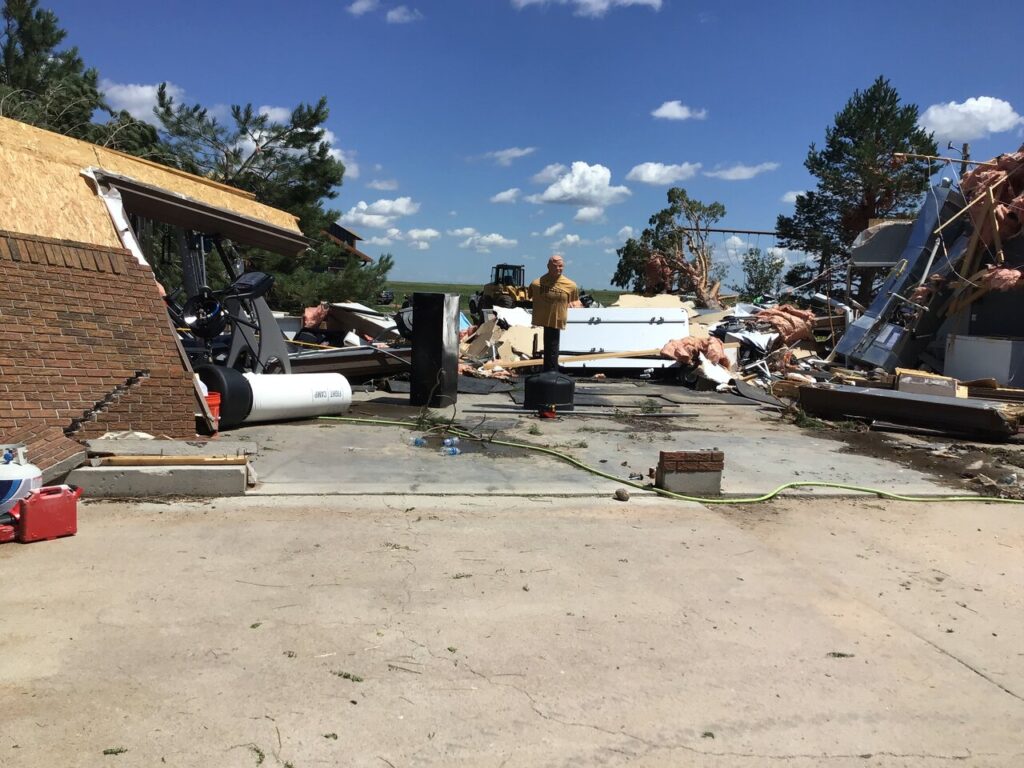
On the afternoon of May 16, 2025, a powerful tornado tore through the St. Louis, Missouri, metropolitan area, causing extensive damage and claiming at least five lives. Emergency officials estimate that between 35 and 45 people suffered injuries, while more than 100,000 residents found themselves without electricity in the aftermath. The storm’s path left a landscape littered with downed power lines, uprooted trees and battered structures.
Utility crews have been dispatched around the clock to restore service, but the scale of the outage has raised immediate concerns about food preservation and access to medical care, especially for seniors and young children who are most vulnerable during prolonged blackouts. In response, city officials quickly opened emergency shelters and distribution centers to provide food, water and basic medical assistance.
Neighboring towns have sent volunteers and supplies, underscoring a regional outpouring of support for the affected communities. Assessments of the damage reveal that the tornado struck both residential neighborhoods and commercial districts, toppling rooftops and shattering windows. The disruption to infrastructure has also impeded traffic flow, complicating the work of first responders and delaying the delivery of essential services. Beyond the immediate humanitarian response, the event has sparked renewed discussion among scientists about the role of shifting climate patterns in the frequency and intensity of severe storms.
While researchers agree that broader changes in global weather systems may influence tornado formation, they caution that definitive links remain under investigation. City leaders have signaled that recovery efforts will incorporate a focus on sustainability.
Plans being considered include the adoption of green building standards for reconstruction, investment in renewable energy installations such as solar panels and wind turbines, and initiatives aimed at reducing waste and conserving resources. Local and state agencies, together with federal partners, are coordinating to secure funding and technical assistance for the rebuilding process. The goal, according to officials, is to not only replace what was lost but to create a more resilient urban environment capable of withstanding future extreme weather events.
Community members, many of whom have already begun clearing debris and assisting neighbors, express a determination to rebuild stronger. “We’re coming together,” said a resident who preferred to remain anonymous, “and we’ll make sure the new homes and businesses are better prepared for anything that comes our way.” While the road to full recovery is expected to be long, the collective response highlights a shared commitment to both immediate relief and long‑term environmental stewardship.
The tornado’s devastation, though tragic, is being used as a catalyst for discussions on renewable energy adoption, climate adaptation and the importance of protecting natural ecosystems. As power crews continue to restore electricity and shelters remain open for those still displaced, St. Louis stands at a crossroads: rebuilding its physical infrastructure while also embracing a vision of a cleaner, more sustainable future. The resilience demonstrated in the days following the storm offers a hopeful glimpse of what may emerge from the wreckage—a city that not only recovers but evolves toward greater environmental responsibility.




