
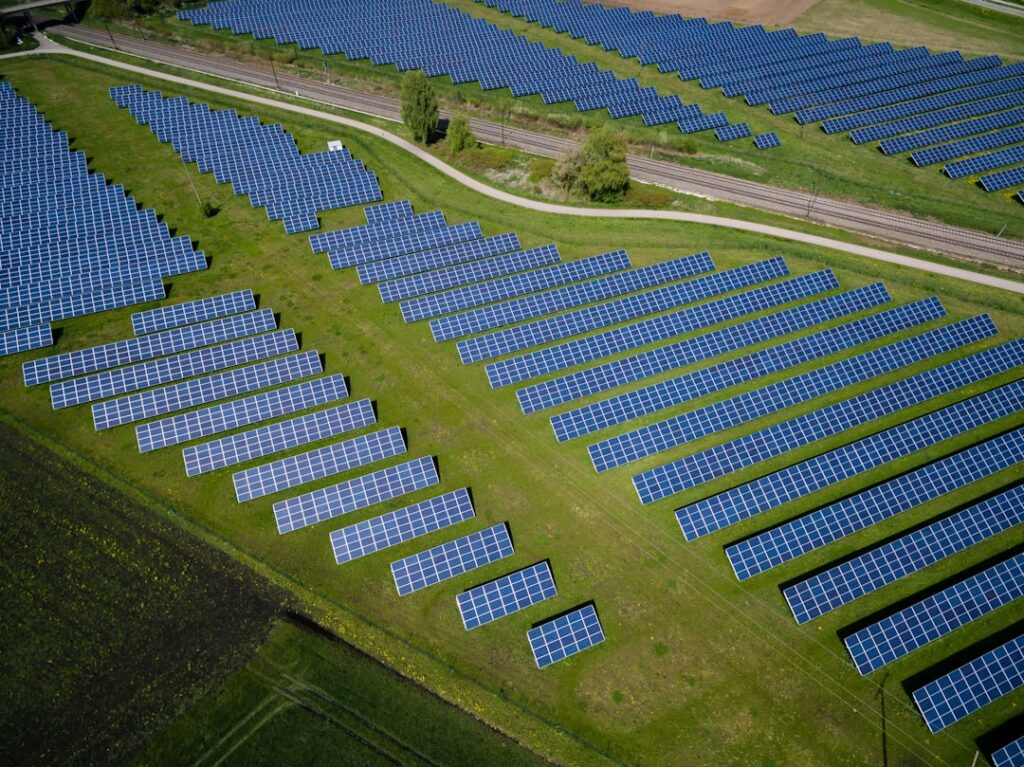
As of May 15, 2025, China’s combined photovoltaic and solar‑thermal capacity reached one terawatt (1,000 GW), a threshold no other nation has yet achieved. The figure reflects a rapid expansion that began in earnest after Beijing introduced a suite of incentives in 2011, setting the stage for a decade of unprecedented growth. In 2024 alone, China added 277 GW of solar power—an amount that represents roughly 15 % of the world’s total cumulative installed solar capacity.
To put that in context, the additional capacity in that single year exceeds the entire historic solar build‑out of many large economies, including the United States and the European Union. The country’s dominance traces back to its early involvement in satellite‑grade panels, which shifted to domestic manufacturing in the late 1990s.
The 2011 policy push accelerated this trajectory, and by 2013 China had become the world’s leading installer of photovoltaic (PV) systems, overtaking all previous leaders. Two years later, in 2015, it eclipsed Germany as the top producer of PV electricity, and in 2017 it was the first nation to install 100 GW of PV capacity. The leap from 100 GW to 1,000 GW unfolded over the next eight years. China now accounts for one‑third of the globe’s installed solar‑panel capacity.
Its firms dominate virtually every segment of the supply chain, from polysilicon and silicon wafers to batteries and finished modules. This vertical integration means the country is not only the largest consumer of solar technology but also the primary manufacturer and exporter of the essential components.
The practical impact of a terawatt of solar capacity is significant for China’s electricity grid. It provides a substantial share of the nation’s power generation from renewable sources, reducing reliance on fossil fuels and supporting the country’s broader decarbonisation goals. Moreover, the manufacturing scale achieved at home positions China to supply panels and related equipment to international markets, reinforcing its leadership in the global solar industry.
Growth does not appear to be slowing. The 277 GW added in 2024 alone surpasses the total installed solar capacity of most individual countries.
This level of annual expansion underscores a growth rate that outpaces most other industrial sectors and reshapes the dynamics of the worldwide energy market. The milestone is a testament to the effectiveness of targeted industrial policy. The 2011 incentives provided clear direction, prompting rapid development across the entire value chain.
Today, China enjoys the largest solar market, the most extensive production base, and the biggest share of installed capacity worldwide. While the one‑terawatt figure is a striking headline, the underlying narrative is one of speed and scale.
Moving from 100 GW in 2017 to 1,000 GW by 2025 represents a compound growth trajectory that few industries can match. The achievement prompts a broader question for the international community: how quickly can other nations replicate or approach China’s pace of solar deployment?




