
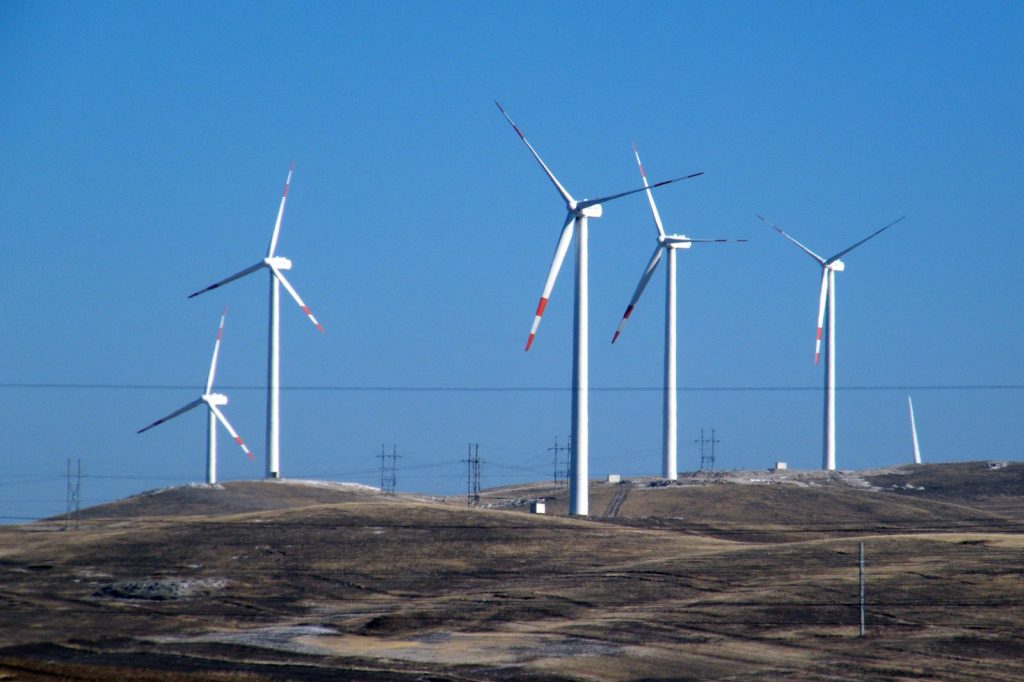
China has reached a historic turning point in its energy landscape. As of February 2026, clean electricity sources now represent 52 percent of the nation’s total installed power capacity, surpassing fossil fuel-based generation for the first time. This milestone, once considered years away, marks a significant shift in the world’s largest energy market.
The scale of China’s renewable buildout is unprecedented. By the end of 2025, the country had installed over 2.34 terawatts of renewable capacity. In 2025 alone, more than 430 gigawatts came online—roughly equivalent to the entire generating capacity of the United States, added within a single year. China now holds the world’s largest national installed bases for hydro, solar, and wind power.
Yet despite this massive capacity, fossil fuels still supply the majority of electricity actually generated. Renewables account for only about 35 percent of total electricity output. The gap between installed capacity and actual generation reflects fundamental challenges in grid physics and economics. Solar and wind are intermittent, and while storage systems—including pumped hydro and batteries—are expanding rapidly, they have not yet reached the scale needed to replace the dispatchability of coal-fired plants. The grid must balance supply and demand second by second, a task that remains heavily reliant on fossil fuels.
Beijing’s policy framework has driven this transformation. The fourteenth five-year plan, adopted in 2020, set a target of 20 percent of total energy production from non-fossil sources by 2025. That target has been met and exceeded in electricity terms, though the renewable share in overall energy consumption remains much lower. Electricity is only one component of China’s energy use; transport, heavy industry, and heating still depend on coal, oil, and gas.
China’s carbon emissions may have peaked in 2024, six years ahead of the official 2030 target. This has not been confirmed, but if accurate, it would mean emissions are already declining even as the economy grows. The forces behind this shift are structural. China dominates global manufacturing of solar panels, wind turbines, and batteries, driving down costs worldwide. Domestically, it has built out transmission lines at a pace unmatched by any other country. New renewable capacity is now cheaper than new coal plants in most of China, reinforcing policy with economic logic. The national goal of carbon neutrality by 2060 provides a long-term direction that investors and provincial governments can rely on.
The transition, however, remains uneven. The disparity between the 52 percent clean capacity share and the 35 percent generation share underscores the work still to be done. China will continue installing renewables at record rates, and coal plants will run less often, but they will not disappear soon. If the unofficial data holds, the official 2030 peak emissions target has already been effectively met, giving Beijing room to tighten its carbon goals without disrupting growth. The 2060 neutrality target will require deeper cuts in industrial emissions and transport fuels—sectors that are harder to decarbonize than electricity.
China has reached a symbolic point. The real test is whether it can turn capacity into actual displacement of fossil fuels. The numbers suggest it is on track, but the hardest part of the transition lies ahead.




