
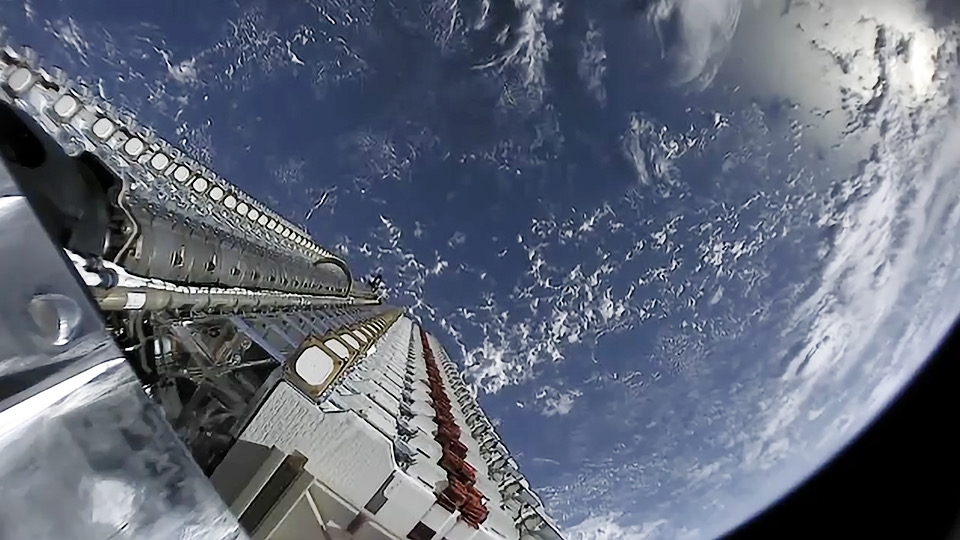
In plain terms, the satellite internet race has a pacing problem. In late January 2026, Amazon went to the Federal Communications Commission asking for more time under a license rule that requires roughly 1,600 of its broadband satellites to be in orbit by July 2026. The network, until recently called Project Kuiper, now carries the name Amazon Leo, and the company has committed at least $10 billion to building it. Its opponent is not waiting: SpaceX’s Starlink already flies more than 9,000 satellites and serves roughly 9 million customers.
The filing, made public on a Friday, laid out the squeeze. Amazon is seeking 24 additional months, through July 2028, or a waiver of the rule requiring about half of its 3,236 planned satellites aloft by July 30. Think of it like a builder with crews and materials ready but no cranes: delays outside its control, among them a “shortage in the near-term availability” of rockets, manufacturing disruptions, new launch vehicles that failed or were grounded, and tight spaceport capacity, all slowed the march. The company insisted the factory is not the bottleneck, writing that Leo is “producing satellites considerably faster than others can launch them,”.
Buying More Rides
The practical upshot of the request is a shopping spree. Amazon’s launch manifest already runs past 100 flights to loft its satellites in batches, and the filing disclosed fresh purchases: 10 additional launches on Elon Musk’s SpaceX rockets and a dozen more rides on Blue Origin, the space company of Amazon founder Jeff Bezos. Partners have hit real milestones with their next-generation rockets in the past year, the company acknowledged, but the timelines keep sliding. “Not withstanding this progress, the development timelines for these next-generation vehicles have extended beyond initial projections, contributing to Amazon Leo’s deployment delays,” it wrote.
Where the Race Actually Stands
The scoreboard is moving, if slowly. Amazon has lofted more than 150 satellites since April and told regulators it expects roughly 700 in orbit by July 30, which would lift Leo from the third-largest to the second-largest constellation in orbit. Its next launch was slated for Feb. 12, putting another 32 satellites up on an Arianespace rocket, and in November the company began an “enterprise preview” for selected business users ahead of a full commercial debut. Behind Starlink sit other players too: OneWeb, run by France’s Eutelsat, operates more than 600 satellites.
The Pitch to Regulators
A denial, the filing argued, would “undermine” FCC aims such as wider spectrum access and quicker “expeditious deployment”, and it noted that the regulator has granted similar delays before. The company’s summary of itself was confident: “Amazon Leo is engaged in full-scale deployment and stands on the doorstep of offering U.S. customers a competitive and innovative new service,” it wrote. “An extension would enable this rapid and ongoing deployment to continue, while strict enforcement would interrupt or halt this effort.”
For ordinary users, that is the whole wager. A second mega-constellation would give rural households, airlines and remote schools an alternative to Starlink’s pricing, with square-shaped rooftop terminals beaming low-latency broadband from low orbit. Whether that competition arrives on Amazon’s schedule or the regulator’s is now the question sitting on the desk in Washington.
Sources
- Amazon's $17B "LEO" Gamble – by Ex Terra Media, LLC
- Amazon asks FCC to extend satellite limit as it buys more SpaceX rides




