
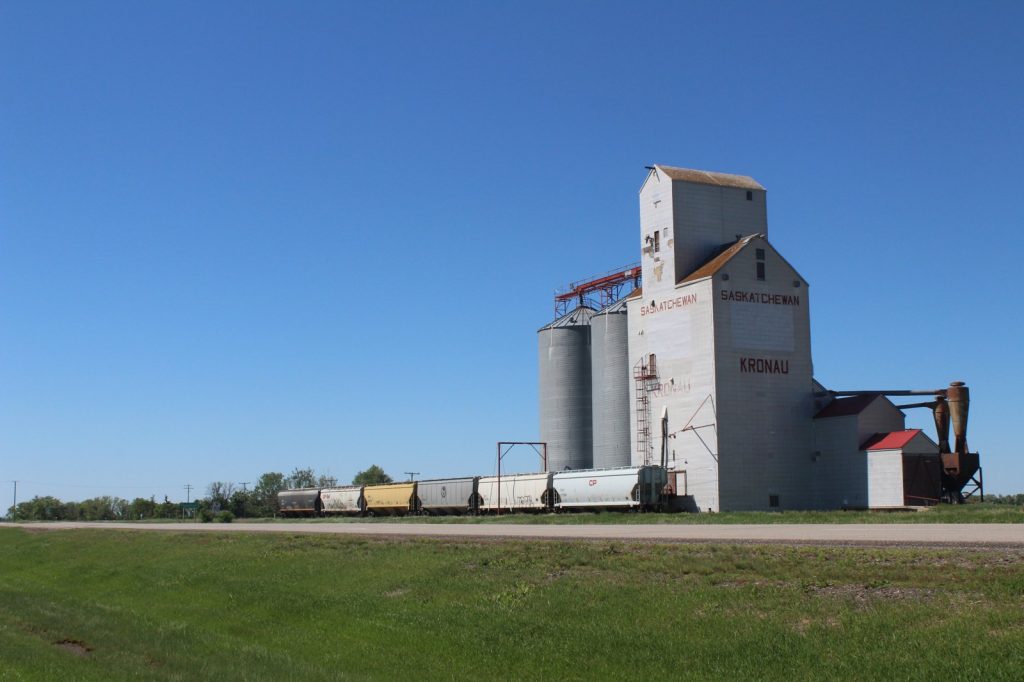
A patch of Saskatchewan prairie the size of metropolitan Edmonton holds 6.8 billion tonnes of alumina. That number landed Thursday in an economic assessment for Canadian Energy Metals’ Project Thor, near Tisdale. CP24 reported the find amounts to about one-third of the global supply.
The discovery happened in 2022. Only now has the company put a price tag on it: $6.3 billion. Chief executive Christopher Hopkins called it a game changer for greening the industry. “No alumina is green, and this would be the greenest of the green,” he said.
Canada ranks fourth in aluminum production. Yet every tonne of alumina comes from three key suppliers overseas. The variety imported is called bauxite, a more difficult product that uses a lot of energy and carries an environmental impact. The ore at Project Thor could replace those imports entirely. Tisdale sits on rail lines and power infrastructure. Alumina often comes from more remote parts of the world. Given Tisdale’s position in North America, Hopkins figures the deposit could feed the continent’s smelters for hundreds of years.
Premier Scott Moe sees the same potential he saw in uranium and potash. “I’m particularly excited about this,” he said. “Do I think this has the realm to be in that scope of discussion like uranium and potash coming from Saskatchewan? Yes I do.”
Tisdale mayor Mike Hill put it simply. “No real community thrives by standing still.” The town of a few thousand has lived on agriculture for generations. Families across the region know what it means when a new industry arrives. Jobs and roads. Schools that stay open.
While the mine remains years away, what it means for people in Manila or Jakarta or Kuala Lumpur is less direct. Aluminum from this deposit could end up in clean energy tech from solar panels to electric vehicles. The energy transition runs on the metal. A stable supply closer to home changes the calculus for manufacturers across Asia.
No mine operates yet. Hopkins and his team will spend the rest of the year designing a demonstration plant. Pre-feasibility comes after. The timeline stays unwritten.
“In basically 40 months we’ve taken a resource from completely unknown to a point where we have economic feasibility confirmed for two products,” Hopkins said. “Zero to 60 in months.”
The assessment covers 49.5 billion tonnes of ore across 600 square kilometres.
Sources
Sources
- Resource discovery near Tisdale, Sask.: Next potash, uranium?
- Saskatchewan alumina deposit discovery a ‘potential… | Globalnews.ca




