
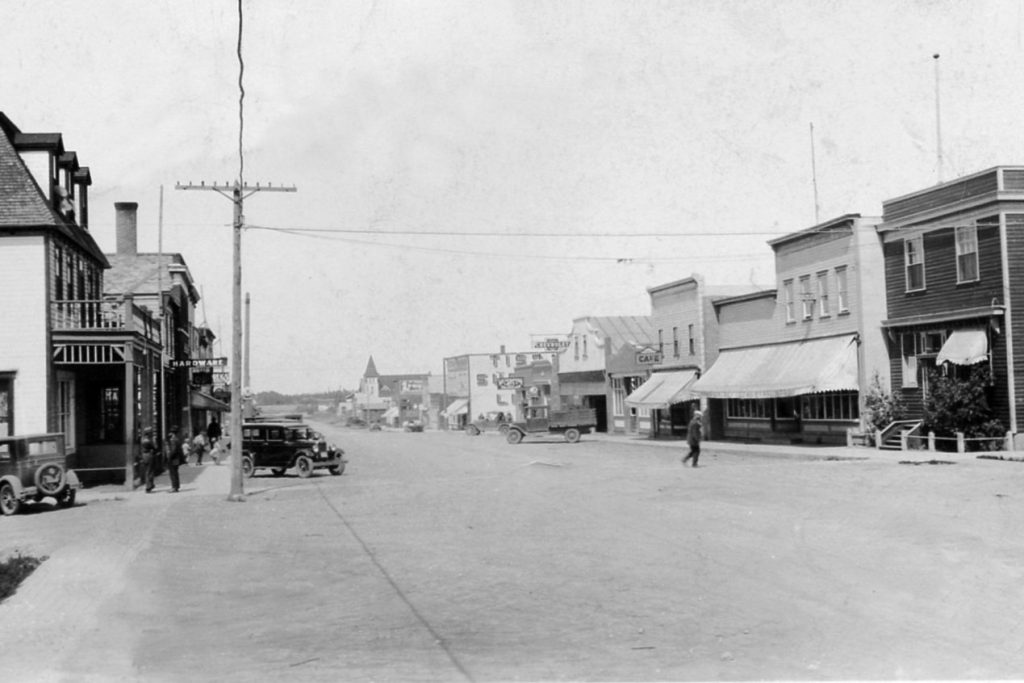
A geological find in the Canadian province of Saskatchewan has the potential to upend long-standing assumptions in the global aluminum industry. A deposit near the town of Tisdale is now estimated to contain an amount of alumina equivalent to roughly one-third of the world’s known supply.
This discovery challenges the traditional dominance of tropical and subtropical regions, such as Australia, Guinea, and Brazil, which have historically supplied the vast majority of the world’s bauxite—the primary source of alumina. Tisdale, a rural community of a few thousand people, is not a typical mining hub. Situated on flat farmland rather than the Canadian Shield, the area is not associated with such mineral wealth.
The ore body is not bauxite, the usual source of alumina. Typically, alumina is refined from bauxite through the Bayer process, which requires significant energy and caustic soda.
The report does not specify the mineral form of this Saskatchewan deposit, but the sheer scale of the resource will likely prompt intense study of extraction economics. The timing of this discovery aligns with growing global demand for aluminum, driven by the expansion of renewable energy infrastructure and the push for lighter, more fuel-efficient vehicles. Aluminum is a key material for solar panel frames, wind turbine towers, electric vehicle bodies, and battery enclosures.
A domestic source of alumina—the intermediate material between bauxite and aluminum metal—could shorten supply chains and reduce reliance on overseas refineries for Canada. The potential impact on Tisdale is significant.
The community is poised to become a focal point for mining companies, investors, and government planners. Economic benefits could include jobs, tax revenue, and infrastructure spending. However, the report emphasizes that these are early stages.
No timeline for development has been announced, and no company has been identified as the discoverer. The find currently exists as a confirmed estimate, not a producing mine.
The scale of the deposit alone is noteworthy. If even a fraction proves economically recoverable, it could affect global alumina prices, reshape trade flows, and give Canada a strategic asset in a metal with increasing demand. The discovery also raises practical questions about energy supply. Aluminum smelting is electricity-intensive.
Canada benefits from abundant hydroelectric power in provinces like Quebec and British Columbia, but Saskatchewan relies heavily on fossil fuels for its grid. If the alumina is processed into aluminum metal in-country, power generation will be a central issue.
If exported as alumina, the value-add remains elsewhere. For now, Tisdale awaits further details. The report does not specify who discovered the deposit or how long it took, nor does it name geologists, the drilling company, or assay results.
What is clear is that a resource has been identified that rivals the world’s known stockpile—a fact the industry will be analyzing for years to come.




