
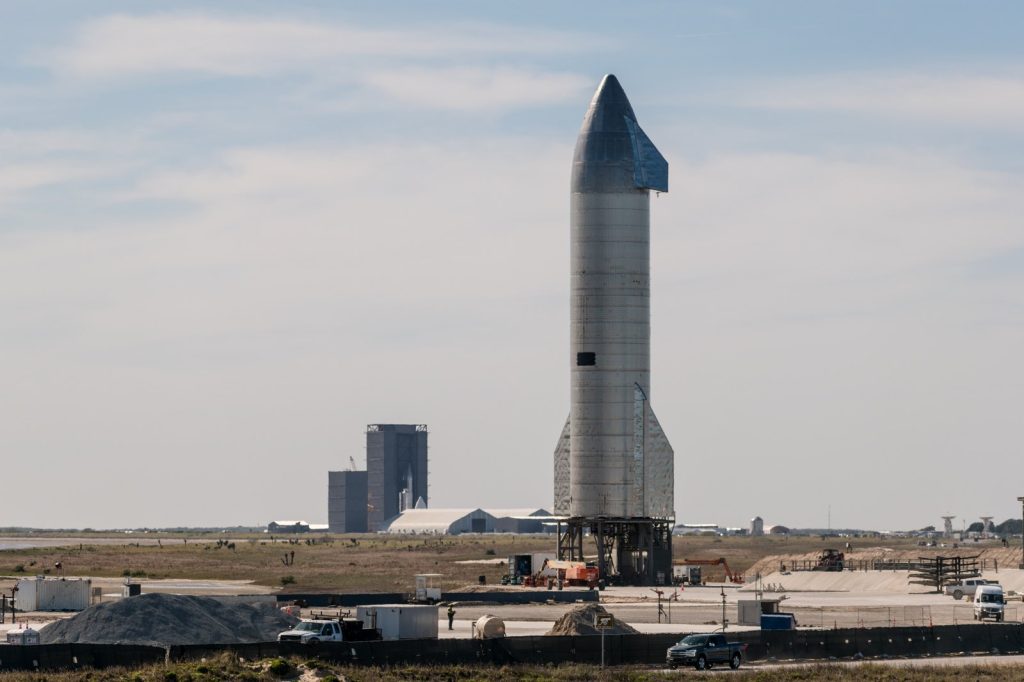
On 27 May at 23:36 UTC (18:36 local time), SpaceX launched its ninth Starship test flight from the Boca Chica site in Texas. The vehicle, designated Ship 35, was paired with Booster 14‑2, a Super Heavy first stage that had previously flown and was being reused for the second time. Booster 14‑2’s return was deliberately unconventional.
SpaceX commanded an unusually steep angle of attack during the descent to push the hardware beyond its normal operating envelope. The test concluded with the booster breaking apart over the Gulf of Mexico, a result that had been anticipated and intended as a splash‑down rather than a controlled recovery.
Engineers gathered data on grid‑fin performance, hydraulic response and overall aerodynamic control at the edge of the design envelope, information that will be fed into future guidance‑software updates. The Starship vehicle itself experienced several serious anomalies. A propellant leak developed in flight, and the vehicle subsequently lost attitude control, preventing it from completing most of the planned in‑space objectives.
Despite these setbacks, Ship 35 succeeded in reaching its target velocity—a milestone no previous V2‑class Starship had achieved. Hitting the planned speed demonstrates that the propulsion system, including the Raptor engines and fuel tanks, delivered the required thrust for the intended trajectory.
This velocity milestone is significant because it confirms that the core propulsion architecture of the V2 Starship can perform as designed. In earlier test flights—Flight 7 and Flight 8—failures occurred earlier in the flight profile, preventing the vehicle from demonstrating sustained engine performance. Flight 9, however, managed to accelerate to the intended speed before the leak and control loss intervened, indicating progress in the vehicle’s fundamental capabilities.
SpaceX has not released a detailed post‑flight report, but the pattern emerging from its test program is clear: each flight pushes the system harder, revealing new failure points that can be addressed. The leaks and attitude‑control issues observed on Flight 9 are engineering challenges that are considered fixable, whereas an inability to achieve the required velocity would point to a more fundamental propulsion problem.
The reuse of Super Heavy for a second flight also marks a notable step toward SpaceX’s broader reuse goals. Historically, the company has discarded boosters after a single use; re‑flying a Super Heavy demonstrates progress toward reducing launch costs, even though this particular flight ended with the booster’s intentional destruction. In summary, Flight 9 delivered a mixed outcome.
While the propellant leak and loss of control prevented the completion of most mission objectives, Ship 35’s attainment of its planned velocity provides concrete evidence that a V2 Starship can perform the most demanding portion of its flight—reaching the speed necessary for orbital insertion. The data gathered from both the booster’s aggressive descent profile and the ship’s propulsion performance will inform refinements for upcoming tests, which are expected to encounter new issues as part of the iterative development process.




