
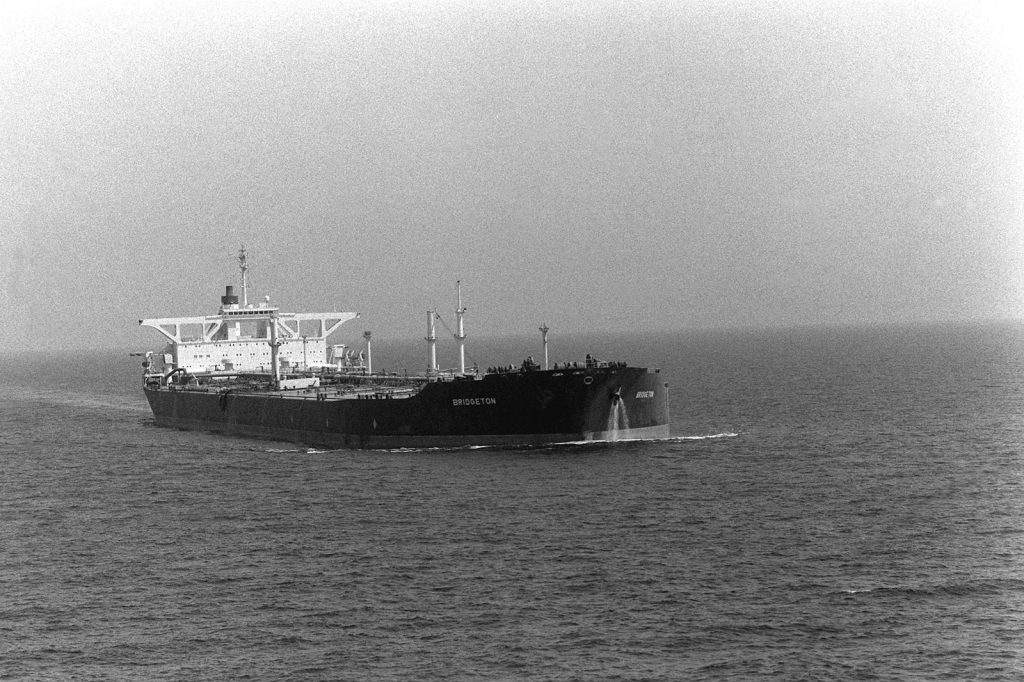
DUBAI, July 8 — The Strait of Hormuz, a narrow waterway connecting the Persian Gulf to the open ocean, has been a strategic chokepoint for global energy supplies since the early 20th century. Its importance only grew after World War II, as Persian Gulf oil production surged. But for decades, the strait has also been a recurring flashpoint in U.S.–Iran relations, with both sides conducting military exercises and patrols in its waters.
The modern era of confrontation in the strait began during the Iran–Iraq War, which lasted from 1980 to 1988. In 1984, both nations began attacking oil tankers in the strait, a campaign that became known as the Tanker War.
The United States responded with Operation Earnest Will, which ran from 1987 to 1988. It was the largest naval convoy operation since World War II. The mission involved reflagging Kuwaiti oil tankers under the American flag and then escorting them through the strait with U.S. Navy warships.
But the operation came with a horrific cost. In 1988, the USS Vincennes, a guided-missile cruiser operating in the strait, accidentally shot down Iran Air Flight 655, killing 290 civilians.
The tragedy remains a deep wound in U.S.–Iran relations to this day. The stakes have only grown since then. In 2008, the U.S. Fifth Fleet, based in Bahrain, conducted exercises specifically aimed at ensuring the strait remained open and secure.
In 2011, Iran threatened to close the strait in response to U.S. sanctions over its nuclear program.
A recurring flashpoint
The pattern of confrontation continued into the last decade. In 2019, the U.S. blamed Iran for attacks on two oil tankers near the strait. That same year, Iran shot down a U.S. drone.
Each incident demonstrated how a single military action in this narrow waterway can affect fuel prices everywhere. The strait’s geography is what makes it so critical.
Any disruption to shipping there — whether from mines, missiles, or small attack boats — can choke off a significant portion of the world’s seaborne oil trade.
What to watch next
Both the United States and Iran continue to maintain a military presence in and around the strait. The U.S. Fifth Fleet remains based in Bahrain, while Iran has invested heavily in fast attack craft, anti-ship missiles, and naval mines designed to complicate any military operation in the confined waters. As long as tensions between Washington and Tehran remain high, the Strait of Hormuz will stay a potential flashpoint where a single miscalculation could disrupt energy supplies worldwide.
{“@context”: “https://schema.org”, “@type”: “NewsArticle”, “headline”: “Strait of Hormuz: A History of the World’s Vital Oil Chokepoint”, “description”: “DUBAI, July 8 — The Strait of Hormuz, a narrow waterway connecting the Persian Gulf to the open ocean, has been a strategic chokepoint for…”, “datePublished”: “2026-07-08T09:30:00+00:00”, “author”: {“@type”: “Person”, “name”: “Erika Johnson”}, “publisher”: {“@type”: “Organization”, “name”: “InfoPulse Today”, “url”: “https://newsfeed.infopulsetoday.com/”}}




