
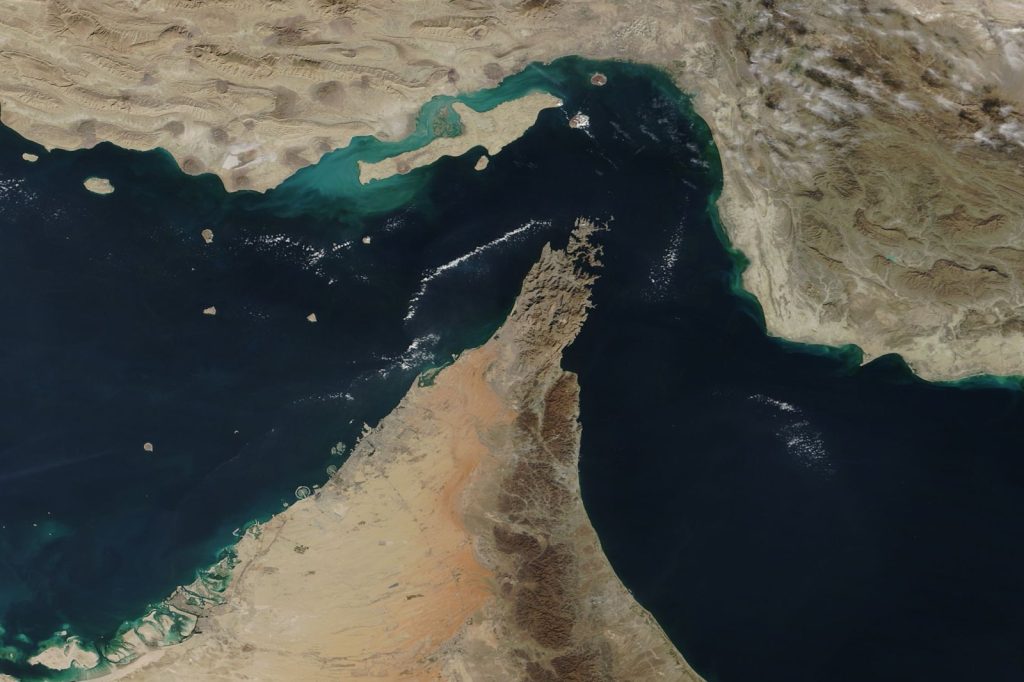
Brent crude has climbed above $90 per barrel. The trigger is a disruption of shipping through the Strait of Hormuz, and UNCTAD, the UN trade and development agency, says the damage will not stay inside the Gulf.
In a March 10 publication, the agency described the strait as one of the world’s most important maritime chokepoints. Around a quarter of global seaborne oil trade passes through it, together with large volumes of liquefied natural gas and fertilizers. UNCTAD ties the disruption to the military escalation in the region and says it is already moving through energy markets, maritime transport and global supply chains.
From the tanker to the grocery bill
Oil markets reacted quickly. The larger worry for UNCTAD is the next link in the chain. Freight rates, bunker fuel prices and insurance premiums are all rising along with energy and fertilizer costs, and together they could push food prices up and deepen cost-of-living pressure. The most vulnerable households would feel it first, the agency said.
It pointed to precedent. Similar chain reactions followed the COVID-19 pandemic and the opening of the war in Ukraine, when trouble in energy, transport and farm inputs spread quickly across linked markets.
Less room to absorb the blow
The timing is awkward. Many developing economies are already struggling to service their debt, which leaves governments little fiscal space for another price shock. UNCTAD said higher energy, transport and food costs could strain public finances and squeeze household budgets. They could also complicate progress toward sustainable development, particularly in countries that depend heavily on imported energy, fertilizers and staple foods.
How far the damage goes is still open. The agency said the global and regional economic impact will depend on how long the tensions last, how intense they become and how widely they spread. Continued monitoring, it said, is essential, especially for vulnerable economies.
UNCTAD’s recommendations are plain. De-escalation comes first. Ports, seafarers, maritime transport and other civilian infrastructure need protection, and trade corridors should stay secure in line with international law and freedom of navigation. The agency also named environmental risks among the threats to global trade and development.




