
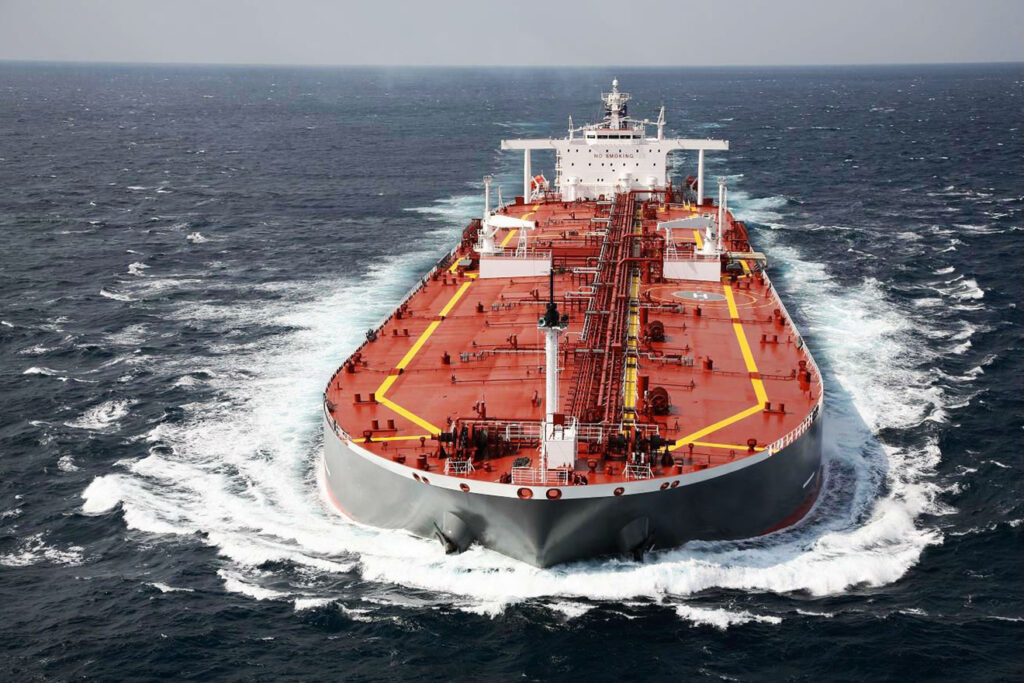
MANILA, July 12 — For communities across Asia, few maritime passages carry more weight than the Strait of Hormuz. This narrow 33-kilometer-wide waterway, wedged between Iran to the north and Oman to the south, connects the Persian Gulf to the Gulf of Oman. According to the U.S. Energy Information Administration, roughly 17 million barrels of petroleum traverse it every day — about 20 percent of global consumption.
The numbers are staggering, but what it means for people is simpler: the fuel that powers homes, businesses, and transport across the region depends on this passage staying open.
How the Strait Works
The strait is not wide, but it is deep. Depths range from 30 to 100 meters, enough for the largest supertankers to pass. The EIA has designated it a global “chokepoint” since 2007.
Two shipping lanes, each two miles wide, handle inbound and outbound traffic, separated by a two-mile buffer zone. Any disruption here would force tankers to take the long way around Africa’s Cape of Good Hope.
That detour adds 10 to 15 days of travel time. For countries that depend on just-in-time deliveries of crude oil and liquefied natural gas, that is not a minor inconvenience — it is a fundamental shift in how energy moves.
Who Relies on This Passage
The countries most directly affected are Saudi Arabia, Iraq, Kuwait, the United Arab Emirates, and Qatar. These nations send the bulk of their crude oil exports through the strait. Qatar alone shipped about 80 million tonnes of LNG through the waterway in 2023.
For families across Asia, the connection is direct. Many of the region’s largest economies import oil and gas from these Gulf states.
When tankers are delayed, prices can rise. When prices rise, the cost of everything from cooking gas to bus fares can follow.
What a Closure Would Mean
A full closure of the Strait of Hormuz would not just be a regional event — it would shake global energy markets. The EIA has long flagged this vulnerability. With no practical alternative route nearby, the strait’s strategic importance is hard to overstate.
The buffer zone and narrow shipping lanes mean that even a minor incident — a collision, a military standoff, or a blockade — could halt traffic for days. And because the strait is only 33 kilometers wide, there is little room to maneuver around trouble.
For communities in the Philippines and across Southeast Asia, the ripple effects would be felt long before any tanker reached port. Higher fuel costs affect food prices, transport fares, and the cost of electricity. It is a reminder that a waterway half a world away can touch the daily lives of people who may never see it.
Looking Ahead
As global demand for energy continues, the Strait of Hormuz will remain a critical artery. The EIA’s designation of it as a chokepoint is not just a label — it is a warning. For the nations that depend on this passage, and for the families who rely on the energy that flows through it, the stakes could not be higher.




