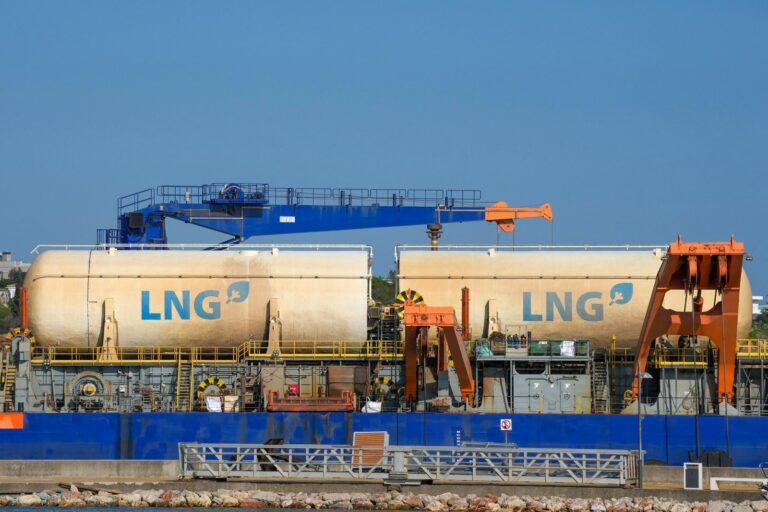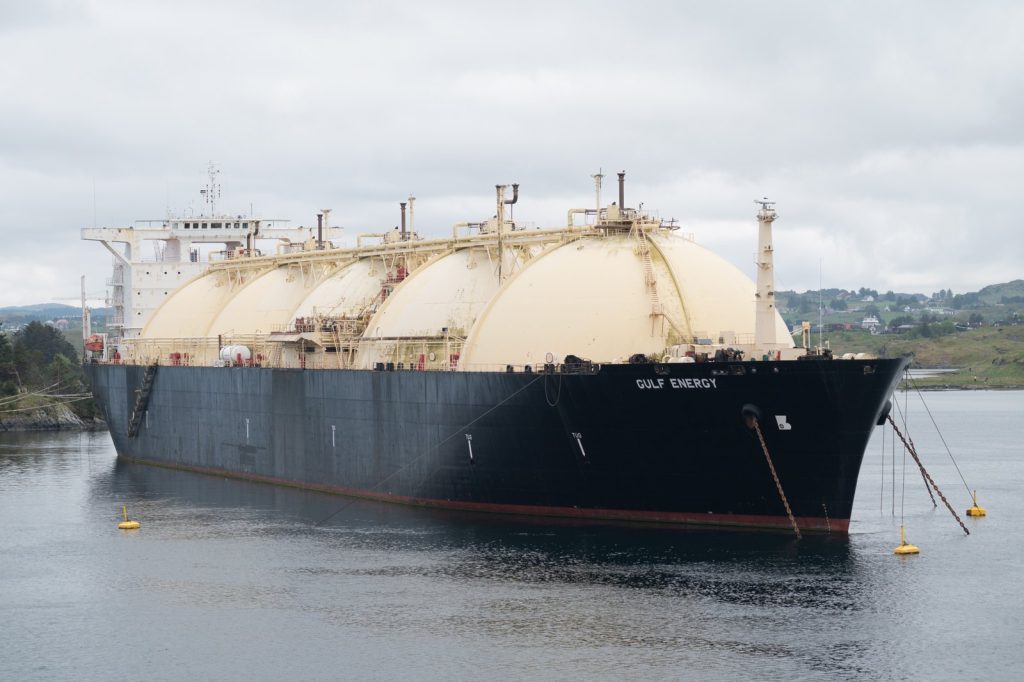
When the Strait of Hormuz effectively shut in early March 2026, oil prices went past $120 a barrel, the sharpest monthly rise on record. Qatar’s LNG exports stopped completely. By June 8 the strait had been effectively closed for 94 days, the longest uninterrupted disruption to the world’s most critical oil chokepoint in modern history.
Before the closure, roughly 20 to 21 million barrels of crude and petroleum products moved through it every day, about 20% of global petroleum consumption.
A narrow waterway
The strait connects the Persian Gulf to the Gulf of Oman and the Arabian Sea, with Iran to the north and Oman’s Musandam Peninsula to the south. It runs about 104 miles and varies from roughly 35 to 60 miles wide. The shipping lanes are far tighter: one two-mile-wide lane inbound, one outbound, and a two-mile buffer between them. Qeshm, Hormuz and Larak, the main islands, are all under Iranian jurisdiction, and Iran’s port city of Bandar Abbas sits on the northern shore.
Control of it has mattered for centuries. The island of Hormuz was a wealthy medieval trading kingdom until the Portuguese navigator Afonso de Albuquerque seized it in 1507.
Qatar, the world’s largest LNG exporter, ships virtually all its output through the strait. China, Japan, South Korea and India, the biggest oil importers, depend on it most.
The 2026 closure
Armed conflict broke out between the United States, Israel and Iran. After strikes on its territory, Iran closed the strait to foreign shipping. The IRGC issued warnings forbidding passage, boarded and attacked merchant ships, and laid sea mines. Tanker traffic fell by 90%, and energy agencies called it the worst supply disruption in the history of global oil markets.
The costs spread. Gulf producers had to cut output as storage filled. Gulf states lost an estimated $1.1 billion a day in oil revenue. War-risk insurance premiums made transit unviable for most shippers, so vessels took longer routes or sat in port. Supply chains for plastics, fertilizers, pharmaceuticals and electronics came under strain within weeks, fuel shortages were reported across parts of Asia, and freight costs and global inflation rose.
Diplomacy lagged. A UN Security Council resolution calling for the strait to reopen was vetoed in early April. Tehran declared the passage open on April 17, and the IRGC reversed that within 24 hours. By mid-2026 a fragile ceasefire was in place but almost no commercial shipping was moving.
Law and alternatives
The strait lies within the territorial waters of both Iran and Oman, so ships must pass through one country’s waters or the other’s. Under the UN Convention on the Law of the Sea, international straits carry a right of transit passage. Iran is one of the few major maritime nations that has not ratified the convention and does not formally recognize that right, a gap that has fed repeated disputes. Oman has generally stayed neutral and has served as a back channel between Iran and Western nations.
Few real alternatives exist. Saudi Arabia and the UAE have bypass pipelines, but their combined capacity covers only a fraction of normal daily flows. Iraq, Kuwait, Qatar and Iran have no bypass at all. Governments in Europe and Asia have begun diversifying supply and speeding up energy transition investment.