On June 8, 2026, the Strait of Hormuz had been effectively shut for 94 days. That is the longest uninterrupted disruption of the world’s most important oil chokepoint in modern history.
The closure began in early March, after armed conflict broke out between the United States, Israel and Iran. Responding to strikes on its territory, Iran barred foreign shipping from the strait. The Revolutionary Guard issued warnings forbidding passage, boarded and attacked merchant ships, and laid sea mines.
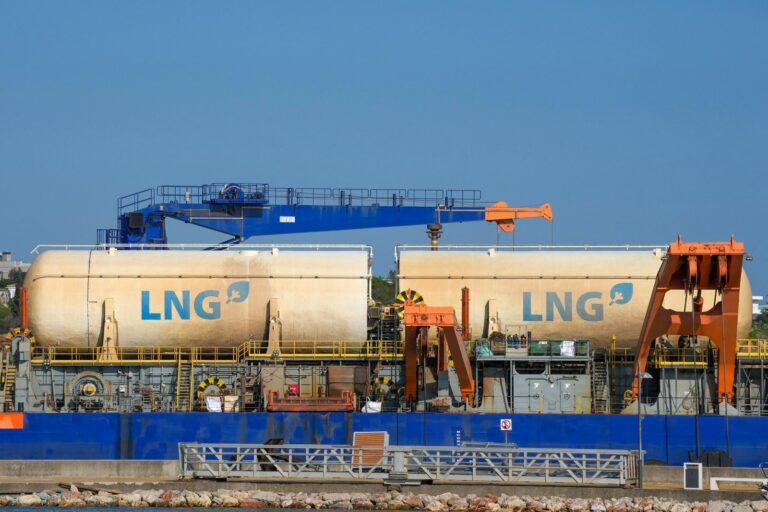
Tanker traffic fell by 90 percent. Oil prices went past $120 a barrel, the sharpest monthly rise on record. QatarEnergy halted all of its LNG exports. Gulf producers cut output as their storage filled and cargoes stalled, which pulled millions of barrels a day off the market almost overnight. Energy agencies called it the worst supply disruption in the history of global oil markets.
What it cost
Gulf states lost an estimated $1.1 billion a day in oil revenue. Plastics, fertilizer, pharmaceuticals and electronics all felt the squeeze within weeks. War-risk insurance made the passage too expensive for most shipping companies, so vessels took longer routes or stayed in port. Fuel shortages turned up across parts of Asia, freight costs multiplied, and global inflation picked up.
Think of it like a single exit from a stadium. When it jams, everyone inside feels it, and there is no second door for most of the crowd. Saudi Arabia and the UAE have bypass pipelines, but together they cover only a fraction of normal daily flows. Iraq, Kuwait, Qatar and Iran have nothing comparable.
Diplomacy stalled
A UN Security Council resolution calling for the strait to reopen was vetoed in early April. On April 17, Tehran declared the passage open. The Revolutionary Guard reversed that within 24 hours.
By mid-2026 a fragile ceasefire was in place, yet almost no commercial shipping was moving through. China, Japan, South Korea and India, the world’s largest oil importers, depend most heavily on the route. For them, a disruption means fuel shortages, price spikes and industrial slowdowns almost at once.
Before the crisis, roughly 20 to 21 million barrels of crude and petroleum products crossed the strait every day, about 20 percent of global petroleum consumption. Qatar, the largest LNG exporter, sends virtually all of its output through it.
Governments in Europe and Asia have started diversifying supply and speeding up energy-transition spending, as a matter of necessity rather than idealism. No reopening date had been set.