
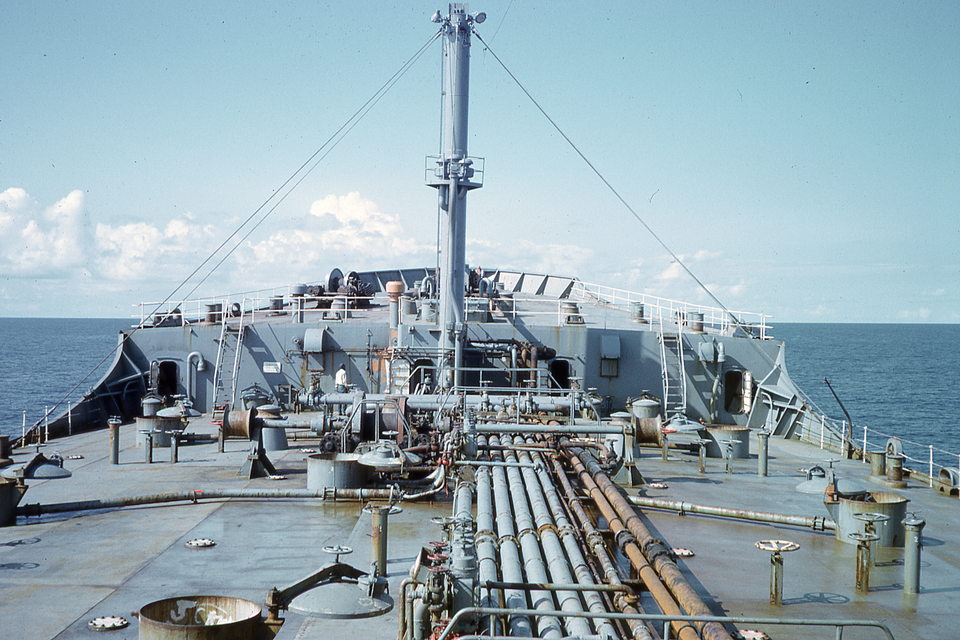
Iran blocked the Strait of Hormuz in 2026, and the market reacted at once. RBC-Ukraine reported that one-fifth of global oil consumption passes through the strait, and that oil prices surged, followed by rising fuel costs.
The UN Conference on Trade and Development (UNCTAD) put the exposure a little differently in a March 10 assessment. It called Hormuz one of the world’s most critical maritime chokepoints, carrying around a quarter of global seaborne oil trade plus significant volumes of liquefied natural gas and fertilizers. Brent crude was then rising above $90 per barrel.
The shock reaches well past oil. UNCTAD warned that higher energy, fertilizer and transport costs, including freight rates, bunker fuel prices and insurance premiums, may push up food costs and sharpen cost-of-living pressure for the most vulnerable. It pointed to the COVID-19 pandemic and the start of the war in Ukraine as earlier cases of such shocks spreading through linked markets.
The agency added that many developing economies are already struggling to service their debt, which leaves little fiscal room to absorb new price jumps. The overall impact, it said, depends on how long the disruption lasts and how widely it spreads.
Hormuz is not alone
RBC-Ukraine’s analysis argues that the map holds several other pain points. It recalls March 2021, when the 400-meter container ship Ever Given blocked the Suez Canal for six days. According to the outlet, every hour of disruption in the canal costs global trade about 400 million dollars.
The Turkish straits are one. The Bosporus and the Dardanelles are the only gateway for Ukrainian maritime exports and imports, and enormous volumes of Russian exports, from oil and petroleum products to food, pass through them as well. Neither Kyiv nor Moscow can block the other. Türkiye has controlled navigation there for almost 100 years under the Montreux Convention and has closed the straits to military ships of both warring sides.
The Danish Straits are another. The main flow of raw materials from Russia’s Baltic ports, Ust-Luga and Primorsk, runs through them. Borys Babin, a law doctor and expert with the Association of Reintegration of Crimea, told RBC-Ukraine that closing an international strait to a defined group of vessels is a blockade, “that is, an act of war.” In practice, the outlet noted, Ukraine has turned to drones and cruise missiles against oil terminals in Novorossiysk and port infrastructure in Ust-Luga and Tuapse.
Bab el-Mandeb, which leads to the Red Sea and the Suez Canal, carries most goods from China and other Asian countries to Europe. The alternative route around Africa adds at least two weeks, according to Andrii Ryzhenko, a reserve captain first rank and former deputy chief of staff of the Ukrainian Navy. RBC-Ukraine called it potentially the most dangerous zone at present, since the Houthis hold Iranian missiles able to hit ships on the route.
The Malacca Strait, the shortest corridor between the Indian and Pacific Oceans, is the main route for China, Japan and South Korea. Ryzhenko said all Middle Eastern oil bound for Asia goes through it, so it is “logistically inseparably linked to the Strait of Hormuz.” Nataliia Butyrska of the New Europe Center said Beijing has already built bypass projects, among them a route from China’s inland provinces to the Pakistani port of Gwadar.
The list closes with Panama, where the canal faces the risk of shallowing because of climate change.
Sources
- Hormuz is only the beginning? 5 global chokepoints that could disrupt world economy
- Strait of Hormuz disruptions: Implications for global trade and development |




