
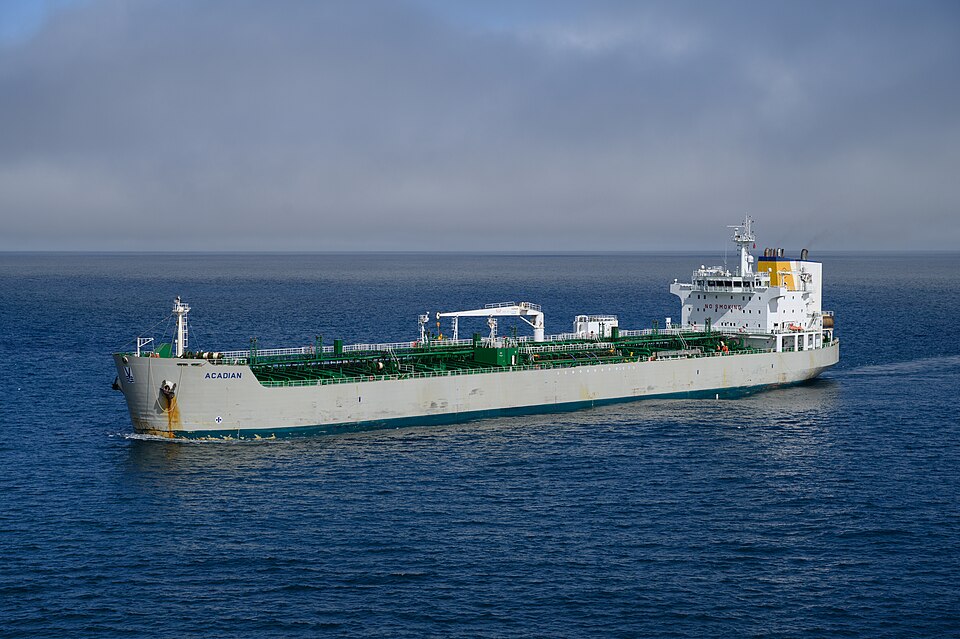
A fresh analysis by the U.S. Energy Information Administration has reaffirmed the Strait of Hormuz as the world’s most vital oil chokepoint, a narrow maritime passage that carries approximately 17 million barrels per day. That volume, based on 2022 baseline figures from the EIA, represents roughly 20 percent of global oil consumption. The waterway, a slender stretch between Oman and Iran, serves as the primary export route for several of the world’s largest oil producers, including Saudi Arabia, Iraq, Kuwait, and the United Arab Emirates.
Qatar also ships its liquefied natural gas through the strait. The concentration of energy traffic makes this passage a strategic focal point for global markets and military planners alike.
The record shows that any disruption in the Strait of Hormuz can spike global oil prices, and the EIA’s designation underscores how a narrow stretch of water still holds the key to global energy security.
The Geography and Ancient Roots of a Modern Chokepoint
The Strait of Hormuz connects the Persian Gulf to the Gulf of Oman, providing the only sea passage from the Persian Gulf to the open ocean. Iran lies on its northern coast, while to the south, the Musandam Peninsula belongs mostly to Oman, with a portion under the United Arab Emirates.
Ancient mariners described the strait’s mouth in the Periplus of the Erythraean Sea, a first-century guide to navigation and trade. The name’s origin remains uncertain, with theories ranging from a local Persian phrase meaning “Place of Dates” to the Greek word for “cove” or “bay.” For decades, this waterway has ranked among the world’s most strategically important chokepoints. A large share of the world’s liquefied natural gas and seaborne oil trade passes through it annually, and several major oil-producing countries depend on it as their sole maritime export route.
Any disruption in the strait can cause severe supply shortages for Europe and Asia, making its geography a defining factor in global energy calculations.
Historical Precedents and the Reality of Disruption
The 1973 oil crisis stands as the most vivid example of how a blockage at a single chokepoint can reverberate through the global economy. During that crisis, Arab producers imposed an embargo on the United States and other nations, sending prices sharply higher and triggering economic shockwaves that lasted years. Despite decades of Middle East conflicts, the Strait of Hormuz had never been closed for an extended period before the events of the Iran war in recent years. Iran had periodically threatened to block the passage and made preparations to mine it.
Those threats became reality during the 2026 Strait of Hormuz crisis, when Iranian blockades shut the waterway for a time. The analysis from the EIA comes as geopolitical tensions in the region remain elevated.
For energy markets, the question is less about whether the Strait of Hormuz will face a disruption than when–and how severe the next one will be. The historical record shows that even the possibility of a closure can send shockwaves through global energy markets. For consumers and producers alike, that narrow stretch of water remains a point of vulnerability that defines much of the world’s energy security calculus.
{“@context”: “https://schema.org”, “@type”: “NewsArticle”, “headline”: “Strait of Hormuz remains world’s top oil chokepoint, EIA confirms”, “description”: “TEHRAN, July 7 — A fresh analysis by the U.S. Energy Information Administration has reaffirmed the Strait of Hormuz as the world’s most vital oil…”, “datePublished”: “2026-07-07T09:30:00+00:00”, “author”: {“@type”: “Person”, “name”: “Ariel Antonio”}, “publisher”: {“@type”: “Organization”, “name”: “InfoPulse Today”, “url”: “https://newsfeed.infopulsetoday.com/”}}




