
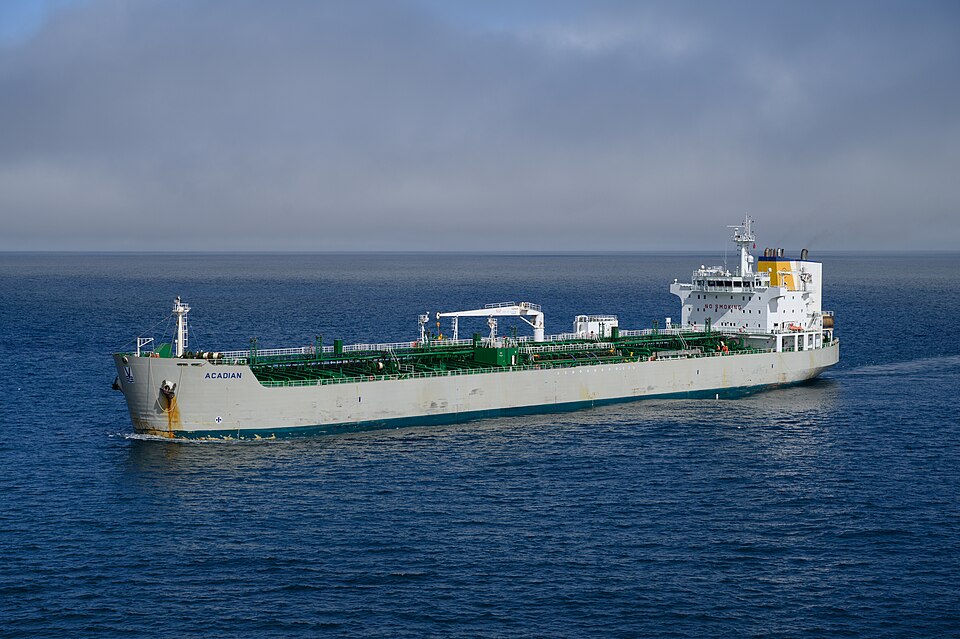
MANAMA, July 12 — A narrow ribbon of water just 21 miles wide at its narrowest point carries the lifeblood of energy markets for communities across Asia. The Strait of Hormuz, connecting the Persian Gulf to the Gulf of Oman and the Arabian Sea, sees roughly one-fifth of global petroleum consumption pass through its waters each day. According to the U.S. Energy Information Administration, the strait averaged 17 million barrels per day of petroleum transit in 2023.
For families in Asia, this chokepoint is more than a line on a map — it is the reason fuel prices at the neighbourhood station rise and fall with geopolitical winds from the Gulf.
Who moves through the strait
The numbers paint a clear picture of dependence. Saudi Arabia shipped 7.3 million barrels per day through the strait in 2023. Iraq followed with 3.5 million barrels per day, the United Arab Emirates with 2.8 million, and Kuwait with 2.4 million.
Qatar moves not just oil but liquefied natural gas through these waters, accounting for roughly 30% of global LNG trade. The strait’s depth allows supertankers to navigate, but its narrow width forces ships into a two-lane traffic separation scheme.
Vessels heading into the Persian Gulf use one lane; those exiting use the other. Any disruption — a collision, a military incident, a political threat — can bring this system to a halt.
Alternatives are limited
For Asian importers, there are few options if the strait closes. Saudi Arabia operates an East–West pipeline with a capacity of 5 million barrels per day, bypassing the strait to reach the Red Sea. The UAE has its Habshan–Fujairah pipeline, capable of moving 1.5 million barrels per day to the Gulf of Oman.
Together, these pipelines handle only a fraction of what transits the waterway. That means the vast majority of Gulf oil and gas destined for Asian refineries must pass through Hormuz.
A long history of tension
The strait has been a flashpoint since the 1979 Iranian Revolution. During the Iran–Iraq War from 1980 to 1988, Iran threatened to close the waterway. More recently, in 2019, after the United States imposed sanctions on Tehran, Iran again raised the prospect of shutting the strait.
The current administration in Washington continues to enforce sanctions on Iran. On July 12, 2026, the situation remains tense, though no new incident has been reported.
For Asian nations, the quiet is welcome but fragile. What communities across the region will watch next is whether diplomatic channels hold, and whether any new confrontation in the Gulf tests the resilience of the world’s most important oil passage.
Sources
{“@context”: “https://schema.org”, “@type”: “NewsArticle”, “headline”: “Strait of Hormuz: The World’s Most Critical Oil Chokepoint Explained”, “description”: “MANAMA, July 12 — A narrow ribbon of water just 21 miles wide at its narrowest point carries the lifeblood of energy markets for communities…”, “datePublished”: “2026-07-12T09:30:00+00:00”, “author”: {“@type”: “Person”, “name”: “Merry Gel Sigui”}, “publisher”: {“@type”: “Organization”, “name”: “InfoPulse Today”, “url”: “https://newsfeed.infopulsetoday.com/”}, “citation”: [{“@type”: “CreativeWork”, “url”: “https://en.wikipedia.org/wiki/Strait_of_Hormuz”}]}




