
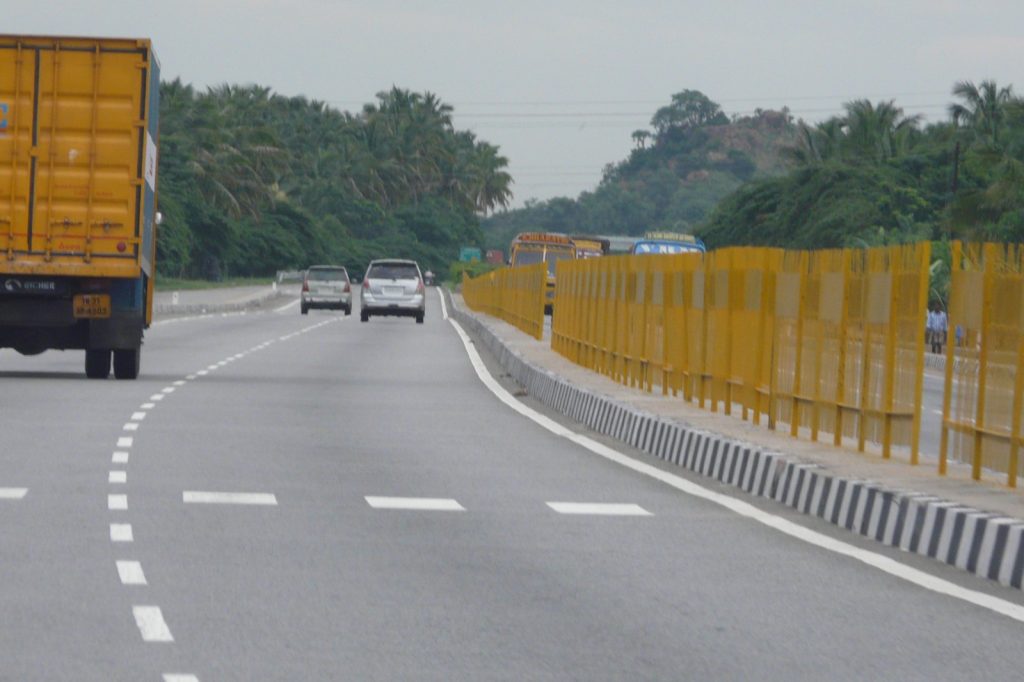
On May 15, 2026, a high‑speed tanker rammed into a vehicle from behind on a Karnataka highway, killing six occupants and injuring ten others who were later rescued from the wreckage. While the loss of life dominates headlines, the surviving victims and the relatives of the deceased now confront a cascade of economic challenges, including medical expenses, loss of income and uncertainty over compensation.
The accident occurred on one of India’s busiest road networks. Karnataka, home to more than 61 million people according to the 2011 census, relies on an extensive system of highways to link its 31 districts. The state capital, Bengaluru, a major technology hub, depends heavily on these routes for the movement of goods and commuters. Consequently, a single tanker crash can disrupt traffic flow, impede supply chains and trigger broader safety reviews.
Speed was a decisive factor in the collision. The tanker’s excessive velocity highlights a persistent pattern across India, where road‑related fatalities remain among the world’s highest. Karnataka’s rapid economic expansion—its economy ranks among the most productive in the country—has led to a surge in vehicle numbers, outpacing the capacity of law‑enforcement agencies to enforce speed limits and other traffic regulations.
For the ten injured survivors, the immediate outlook is fraught with financial strain. Hospitalisation depletes savings, and the inability to work during recovery translates into lost wages. Families of the six victims face a permanent loss of income, as the deceased were often primary breadwinners. Although the tanker driver is expected to face criminal proceedings, legal action does not replace the earnings that families have lost. Any compensation that may be awarded is likely to be delayed for months or even years, leaving many households vulnerable to debt in a state where many live paycheck to paycheck.
The repercussions extend beyond individual households to Karnataka’s broader economic framework. The state positions itself as a leader in technology and industry, yet sustained growth depends on a safe transportation environment. Persistent road hazards can inflate insurance premiums, slow logistics and deter investment, as businesses factor safety risks into operational costs.
In the wake of the crash, officials in Karnataka’s transport department are expected to examine the incident’s circumstances. Key questions include whether prior warnings were ignored, if alternative routing could have averted the tragedy, and whether speed limits on the affected stretch should be reduced. Answers to these queries have tangible implications for future drivers, families and the likelihood of similar accidents.
Karnataka’s geography adds complexity to road safety management. Bordered by the Lakshadweep Sea and sharing frontiers with Goa, Maharashtra, Telangana, Andhra Pradesh, Tamil Nadu and Kerala, the state’s highways accommodate inter‑state traffic. This mix brings together vehicles registered in one state, drivers licensed in another and road maintenance overseen by a third, complicating coordination of enforcement standards and driver training.
Since its renaming from Mysore State to Karnataka in 1973, the region’s long history has been shaped by decisions on infrastructure and governance. The May 15 tanker collision is not an isolated event but a symptom of a transportation system under pressure. Whether policy reforms and stricter enforcement will be implemented before another tanker meets a similar fate remains the pressing question for Karnataka’s leaders and its citizens.




