
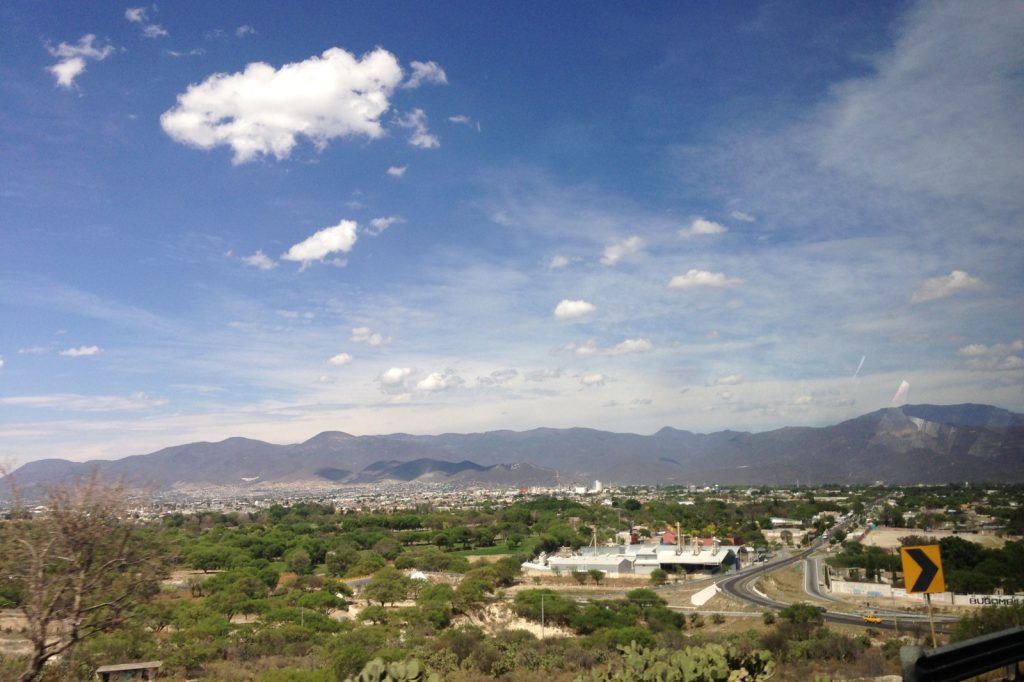
Collision on Federal Highway 135D Claims 21 Lives
A severe crash on Federal Highway 135D near Tehuacán, Puebla, Mexico, resulted in the deaths of twenty‑one people. The tanker truck struck two other vehicles, causing extensive damage and chaos at the scene.
Possible Hazardous Cargo and Environmental Risks
The tanker was likely transporting hazardous materials, raising concerns about oil spills, chemical leaks, and other forms of pollution. Authorities warn that any release could threaten the local ecosystem and will need to act quickly to contain any spill.
Investigation and Prevention Measures
A thorough investigation will be required to determine the cause of the collision and to identify steps that can prevent similar accidents. Officials will examine the condition of the highway, existing safety measures, and the actions of the drivers involved.
Role of Renewable Energy in Reducing Risk
The discussion also highlights how greater use of renewable energy sources such as solar and wind power could lessen dependence on tanker trucks that carry dangerous goods. Shifting energy production toward these alternatives may improve energy security while lowering the frequency of hazardous material transport on roads.
Support for Victims and Affected Communities
As rescue operations conclude, the families of those killed and the surrounding communities will require assistance. Expected support includes counseling services, financial aid, and other resources from the Mexican government, local authorities, and potentially the international community through donations or expertise.
Road Safety Improvements
To avoid future tragedies, experts call for stricter safety regulations, stronger enforcement of traffic laws, and the adoption of monitoring technology on highways where large vehicles operate. These measures aim to create a safer driving environment for all road users.
Alternative Transport for Hazardous Goods
Developing alternative transportation methods, such as rail pipelines or dedicated freight corridors, could reduce the number of hazardous materials traveling on Federal Highway 135D and similar routes. By moving dangerous cargo off the roads, the likelihood of accidents involving tanker trucks may decline.
Environmental Response and Long‑Term Sustainability
Immediate action to contain any leak or spill will be essential to protect the natural beauty of the region. Specialized cleanup equipment and techniques will likely be deployed.
In the broader view, investing in renewable energy, enhancing road safety, and promoting sustainable transport are presented as pathways to a cleaner, safer future for Mexico and the world.
Collision on Federal Highway 135D Claims 21 Lives
A severe crash on Federal Highway 135D near Tehuacán, Puebla, Mexico, resulted in the deaths of twenty‑one people. The tanker truck struck two other vehicles, causing extensive damage and chaos at the scene.
Possible Hazardous Cargo and Environmental Risks
The tanker was likely transporting hazardous materials, raising concerns about oil spills, chemical leaks, and other forms of pollution. Authorities warn that any release could threaten the local ecosystem and will need to act quickly to contain any spill.
Investigation and Prevention Measures
A thorough investigation will be required to determine the cause of the collision and to identify steps that can prevent similar accidents. Officials will examine the condition of the highway, existing safety measures, and the actions of the drivers involved.
Role of Renewable Energy in Reducing Risk
The discussion also highlights how greater use of renewable energy sources such as solar and wind power could lessen dependence on tanker trucks that carry dangerous goods. Shifting energy production toward these alternatives may improve energy security while lowering the frequency of hazardous material transport on roads.
Support for Victims and Affected Communities
As rescue operations conclude, the families of those killed and the surrounding communities will require assistance. Expected support includes counseling services, financial aid, and other resources from the Mexican government, local authorities, and potentially the international community through donations or expertise.
Road Safety Improvements
To avoid future tragedies, experts call for stricter safety regulations, stronger enforcement of traffic laws, and the adoption of monitoring technology on highways where large vehicles operate. These measures aim to create a safer driving environment for all road users.
Alternative Transport for Hazardous Goods
Developing alternative transportation methods, such as rail pipelines or dedicated freight corridors, could reduce the number of hazardous materials traveling on Federal Highway 135D and similar routes. By moving dangerous cargo off the roads, the likelihood of accidents involving tanker trucks may decline.
Environmental Response and Long‑Term Sustainability
Immediate action to contain any leak or spill will be essential to protect the natural beauty of the region. Specialized cleanup equipment and techniques will likely be deployed. In the broader view, investing in renewable energy, enhancing road safety, and promoting sustainable transport are presented as pathways to a cleaner, safer future for Mexico and the world.
A severe crash on Federal Highway 135D near Tehuacán, Puebla, Mexico, resulted in the deaths of twenty‑one people. The tanker truck struck two other vehicles, causing extensive damage and chaos at the scene.
Possible Hazardous Cargo and Environmental Risks
”
Words: Possible1 Hazardous2 Cargo3 and4 Environmental5 Risks6 =>6
Line5: “
The tanker was likely transporting hazardous materials, raising




