
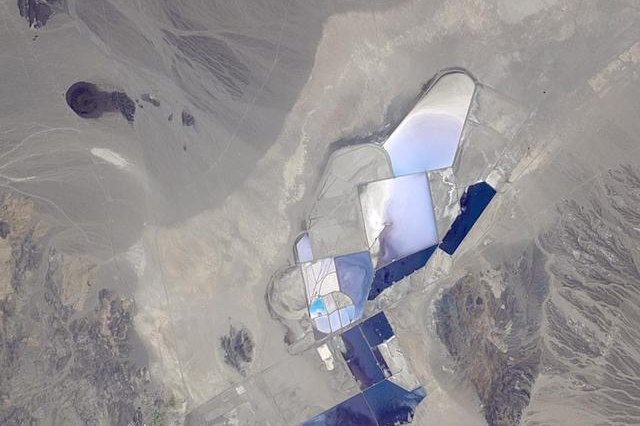
Over 70% of the world’s cobalt comes from one country, the Democratic Republic of Congo. And roughly 80% of the world’s capacity to refine lithium, nickel and cobalt into battery-grade material sits in another, China, according to a 2024 International Energy Agency report.
The bottom line for the electric vehicle industry: the minerals are scarce in a very specific way. They are concentrated, and the places that hold them are hard to replace.
Two chokepoints
Congo has a record of political instability and human rights problems in its mining sector. When local conflicts flared in the past, prices spiked and manufacturers scrambled for alternatives, which were limited. Amnesty International has repeatedly documented child labor and unsafe conditions in the artisanal cobalt mines there. Battery makers and automakers have tightened traceability and audits, but the informal mining sector is so sprawling that nobody can promise ethically sourced material every time.
China is the second pinch. Even if raw minerals came from a dozen countries, they would still funnel through refineries in one. Trade disputes or export restrictions involving China could ripple through the entire industry, hitting production schedules and the sticker price of cars.
Demand outruns supply
Reuters reported in January 2026 that global lithium demand is expected to grow five-fold by 2030. Cobalt and nickel demand should more than double. New mines are not keeping pace. Projects for lithium and nickel in Western nations face average permitting times of 7 to 10 years, held up by environmental rules and local opposition.
Government help is on the way, slowly. The U.S. Department of Energy has started programs to build up domestic critical mineral supply, though the benefits will take years to show. The European Union has launched its Critical Raw Materials Act, which sets targets for domestic extraction, processing and recycling.
The environmental bill
Lithium extraction from brine deposits has raised worries about water depletion in dry regions of Chile and Argentina. Nickel mining in Southeast Asia has been tied to deforestation and pollution. Companies that cannot show responsible sourcing risk consumer boycotts and legal action.
Ways around the bottleneck
Some of the pressure is easing from the chemistry side. Lithium iron phosphate batteries contain no cobalt or nickel, and they are gaining market share, mostly in entry-level EV models. They still need other critical minerals, but they take load off the riskiest supply chains.
Recycling is the other lever. Advanced processes for end-of-life EV batteries can recover up to 95% of valuable materials, including lithium, nickel and cobalt. New gigafactories in Europe and North America are also including refining facilities in their plans, to shorten supply lines and cut dependence on a single country’s processing hubs.
Australia, Canada and several South American nations are exploring new lithium and nickel deposits, hoping to become alternative suppliers. Rare earth elements carry their own risk: geopolitical tension can bring export restrictions and price swings that hit manufacturers worldwide.




